


U.S. Housing Costs: When to Expect Normalcy
Redfin analysis shows varying timelines for housing costs to return to pre-pandemic levels across different metros
Latest real estate news and analysis tagged with housing affordability on realestatenews.news.
Redfin analysis shows varying timelines for housing costs to return to pre-pandemic levels across different metros

Mortgage rates surge as markets anticipate further Fed rate hikes, with key economic data releases this week set to shape expectations.
For the first time since January 2025, the average 30-year mortgage rate has surpassed 7%, marking the fifth consecutive week of increases.

Sun Belt cities attract migrants seeking affordability as coastal cities see outflows.

30-year fixed rates reach 6.95%, marking the highest level in over 19 months and raising concerns about home affordability.

Gen Zers are chasing job opportunities while millennials seek affordable housing and space.

A new Redfin analysis finds buyers need to earn roughly $41,000 more per year to afford a home in a highly rated school zone, and median-income households face long odds in those neighborhoods.

Americans are leaving counties with high air-quality risk at a slower pace than during the pandemic, and cost—not climate—appears to be the primary driver behind where people move.

Florida Realtors' Board of Directors has formally endorsed Amendment 3, a November ballot measure that would expand homestead exemptions and lower assessment caps on non-homestead properties.

A new analysis from Redfin and childcare marketplace Winnie finds that combined housing and childcare costs consume 52% of the median working family's income nationally, but that figure ranges from under 40% in Little Rock to nearly 97% in Los Angeles.

The 30-year fixed mortgage rate edged down to 6.67% this week, breaking a six-week streak of increases, though rates remain higher than a year ago as inflation and geopolitical pressures linger.

July home sales fell 4.1% month-over-month to their lowest seasonally adjusted level in nearly two years, with mortgage rates at a one-year high and record home prices squeezing buyers across the country.

Wednesday's CPI report is shaping up to be the most consequential economic release of the week, with a potential September Fed rate hike hanging near 50/50 odds.

The benchmark 30-year fixed mortgage rate reached 6.69% this week—its highest point in over a year—as five straight weeks of increases continue to erode homebuyer purchasing power across the U.S.
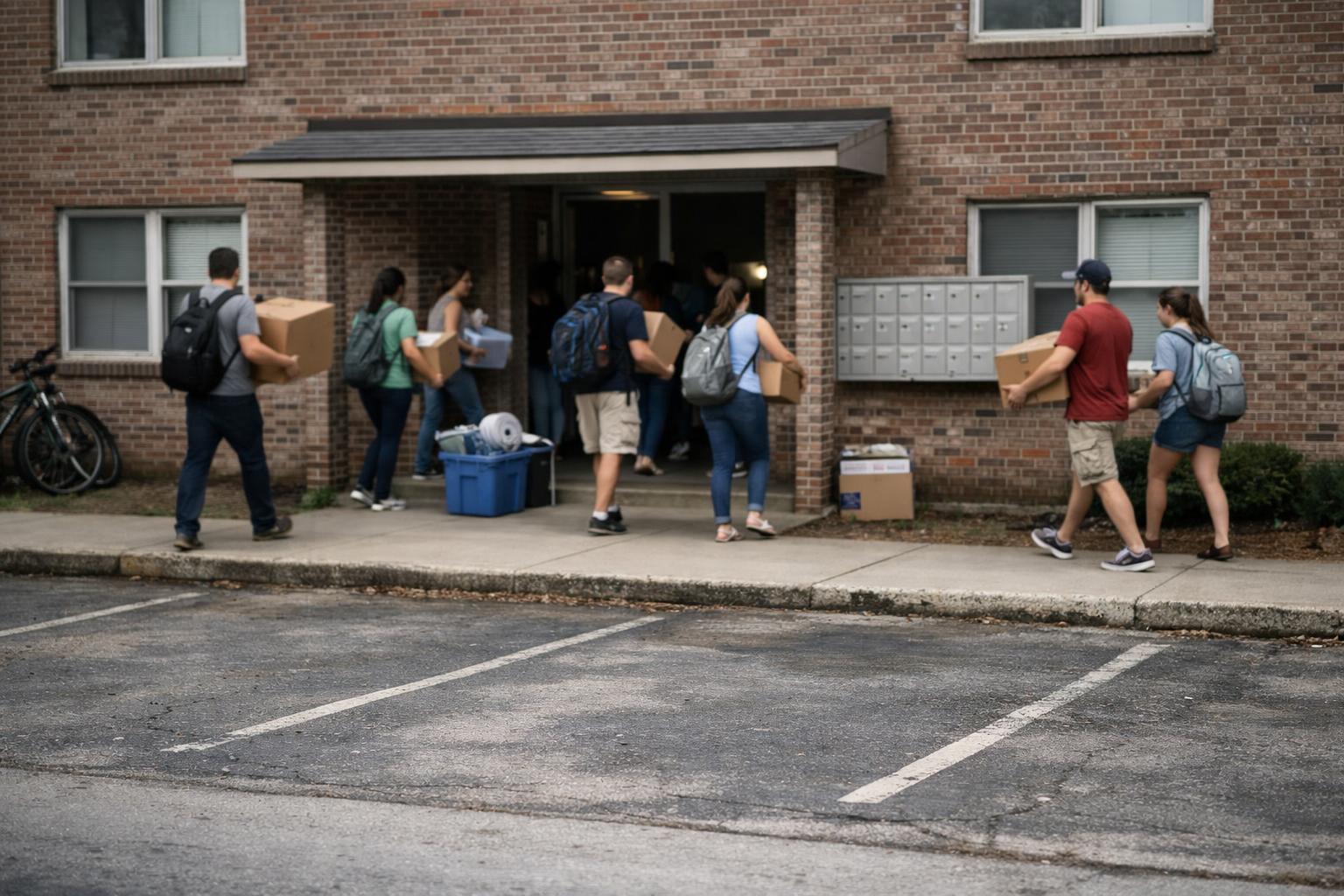
Generation Alpha is roughly 2 million people smaller than Gen Z at comparable ages, and rising costs are already pushing young adults to delay forming households — a combination that could fundamentally alter demand for starter homes, rentals and multigenerational living.
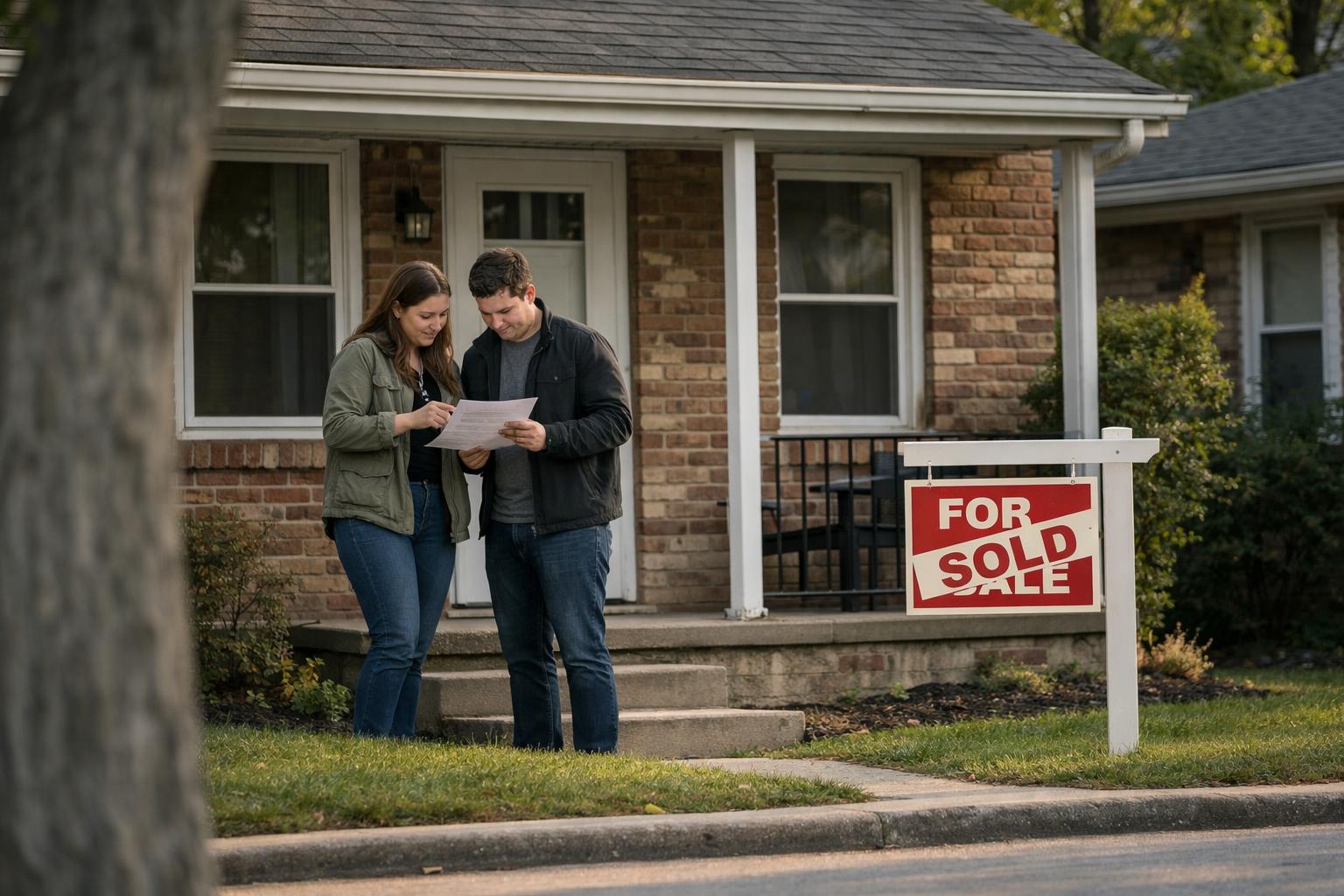
The income required to afford a typical U.S. starter home has dropped 1.5% year over year, outpacing the broader market's modest gains, as wage growth and slower price appreciation widen the cushion for entry-level buyers.
The benchmark 30-year fixed-rate mortgage climbed to 6.66% this week, its highest point in a year, as rising oil prices tied to the Iran conflict push bond yields and borrowing costs higher.
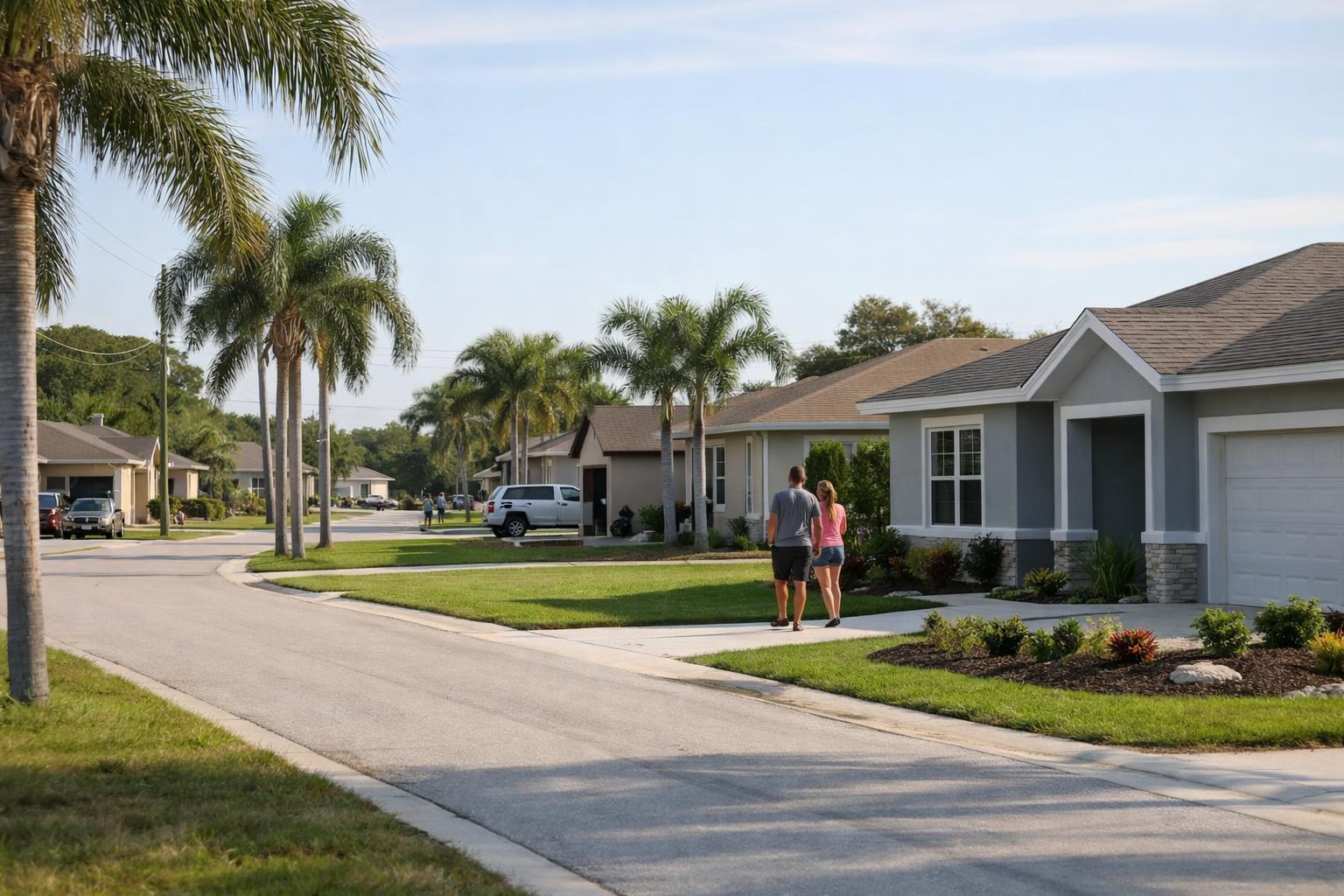
Florida claimed seven of the top 15 metros nationally for millennial homeownership growth between 2018 and 2023, with North Port leading the country and Orlando topping renter growth, according to a RentCafe analysis.

A new Redfin survey finds that 22% of Americans planning an out-of-state relocation cite better weather as a motivating factor - edging out affordability, job opportunities, and proximity to family.
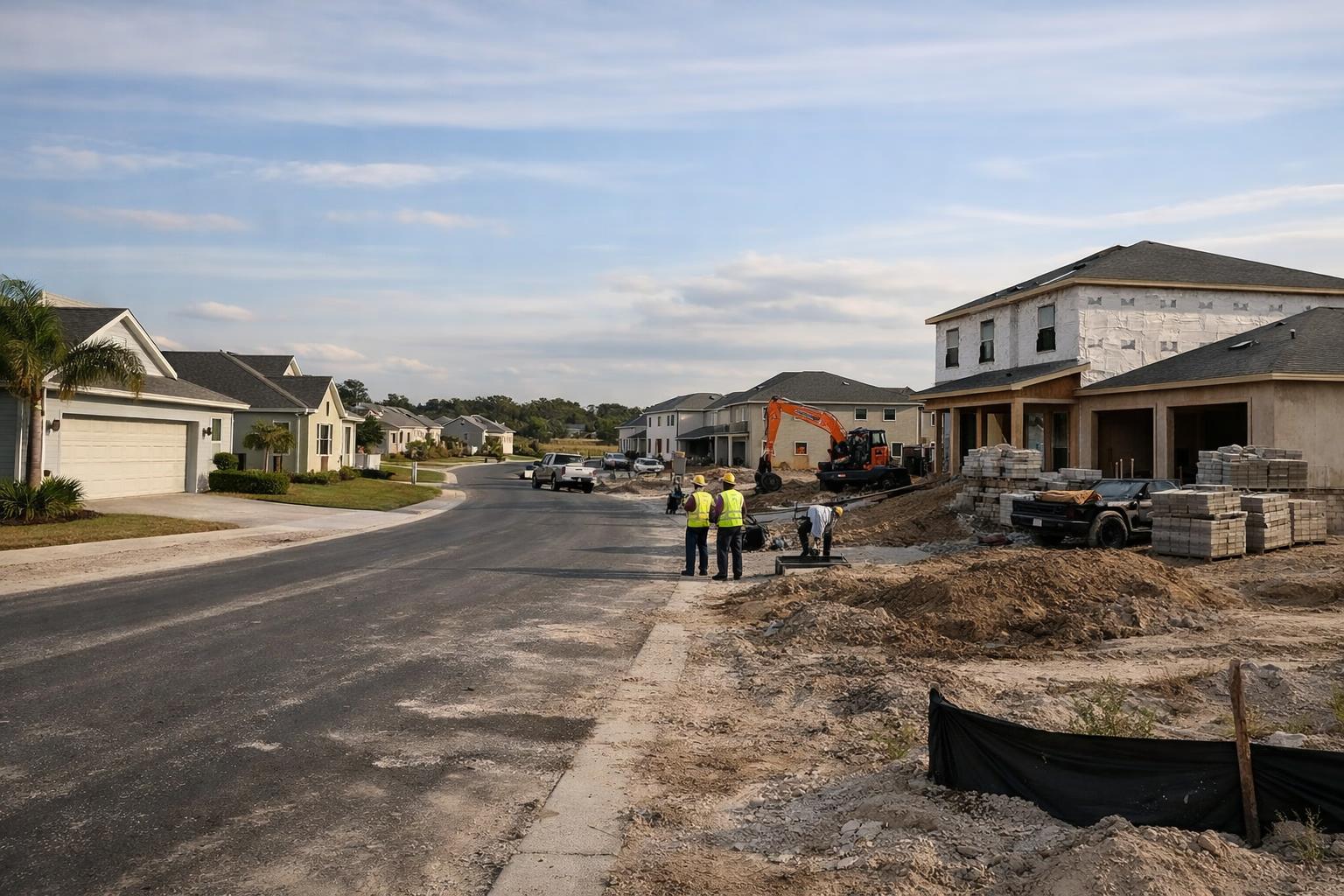
San Francisco's median home sale price now tops $1.7 million - more than $1 million above its post-crash floor - driven by the tech sector and the AI industry's growing grip on the Bay Area housing market.

Rising home prices, higher mortgage rates and growing upfront costs have pushed the price-to-income ratio for households under 40 to levels last seen during the mid-2000s housing bubble, according to new Pew Research Center data.
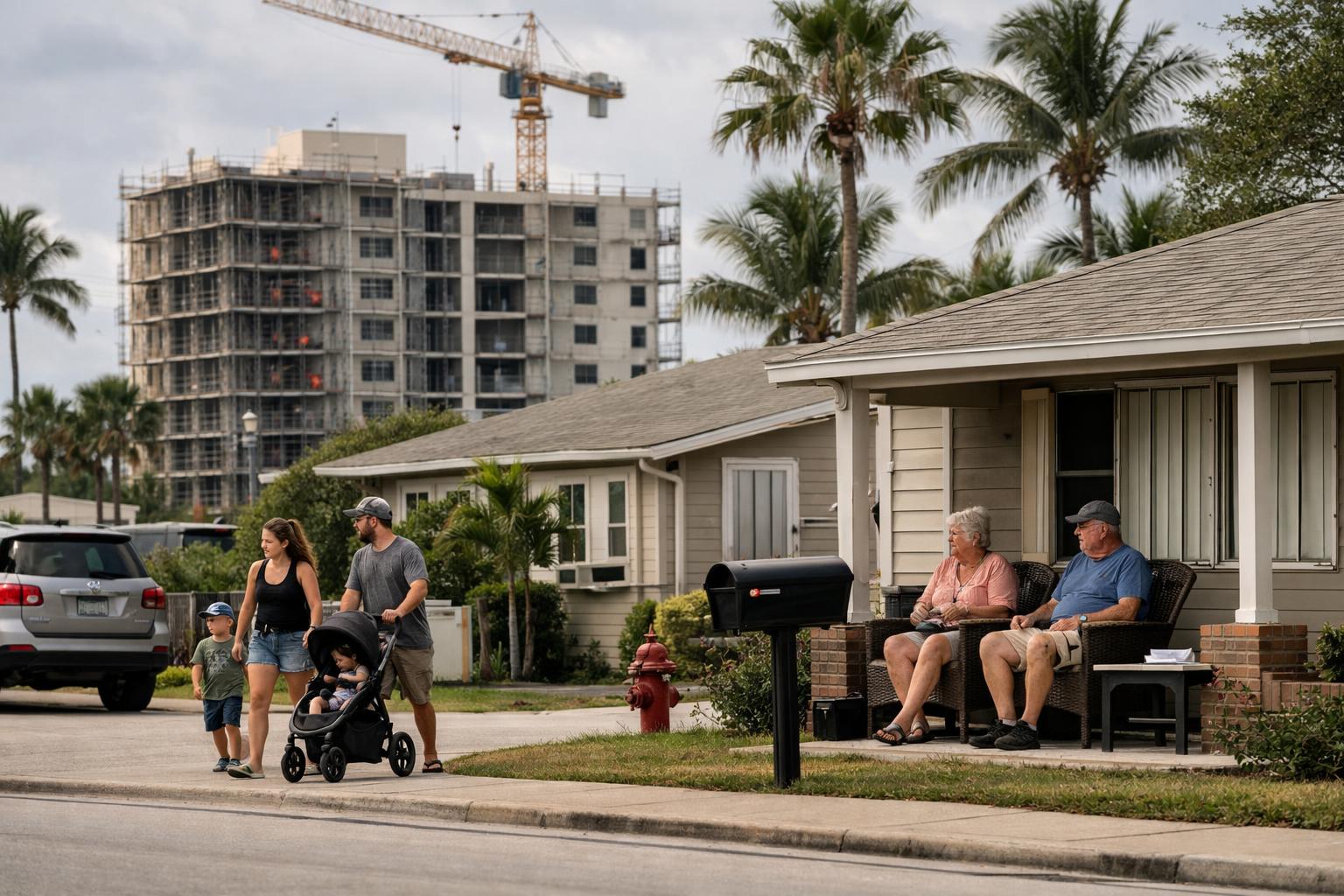
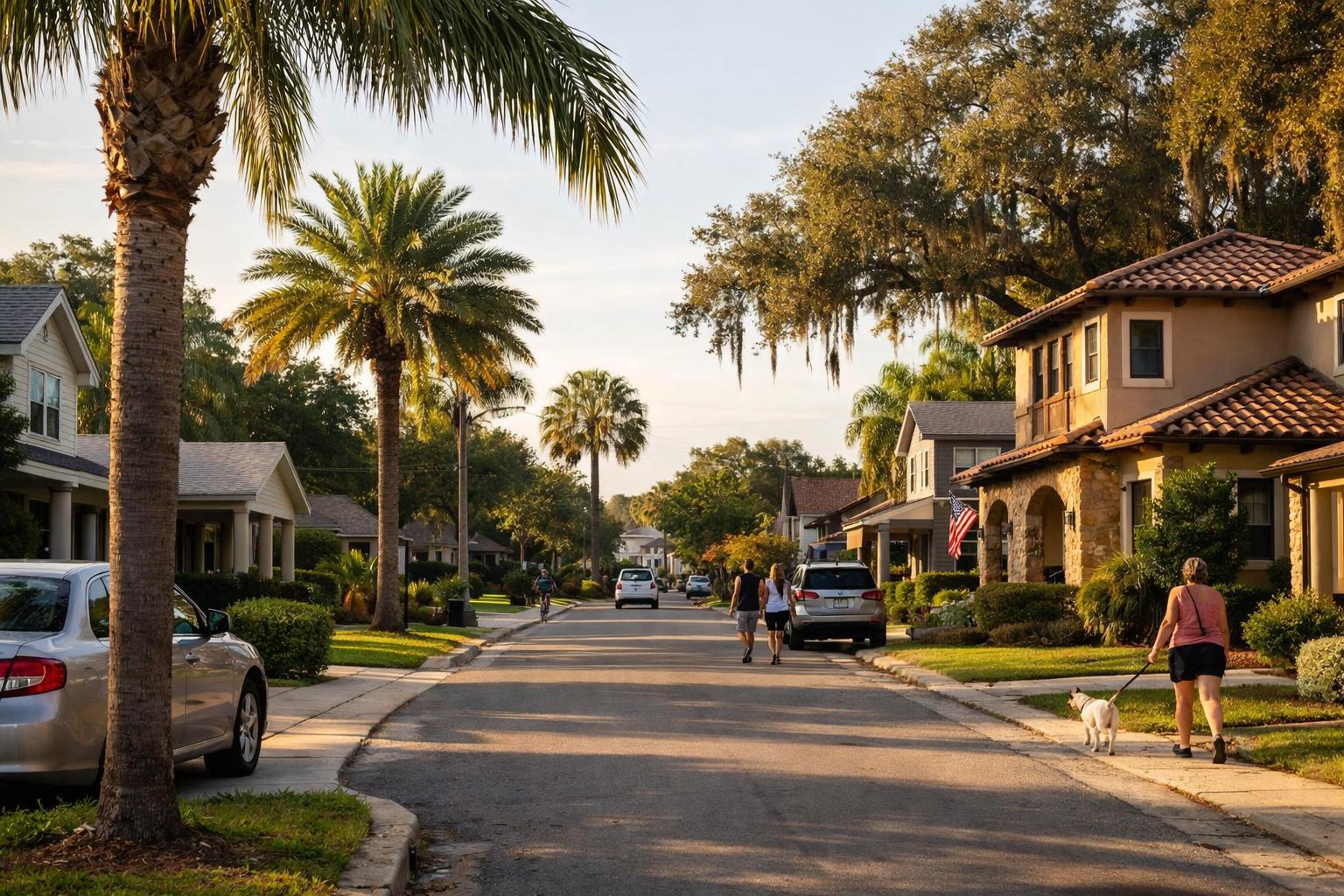
After pandemic-era peaks, domestic moves into Florida have moderated. Younger adults and growing families are shifting away as housing costs and other expenses reshape who can relocate.

Moves into Florida have eased since 2022 but still outpace pre‑2020 levels. Higher costs are reshaping who can relocate and what they seek.

NAR data: 167 of 235 metros posted price gains in Q1 2026; national single‑family median edged up to $404,300 as affordability modestly improved.