


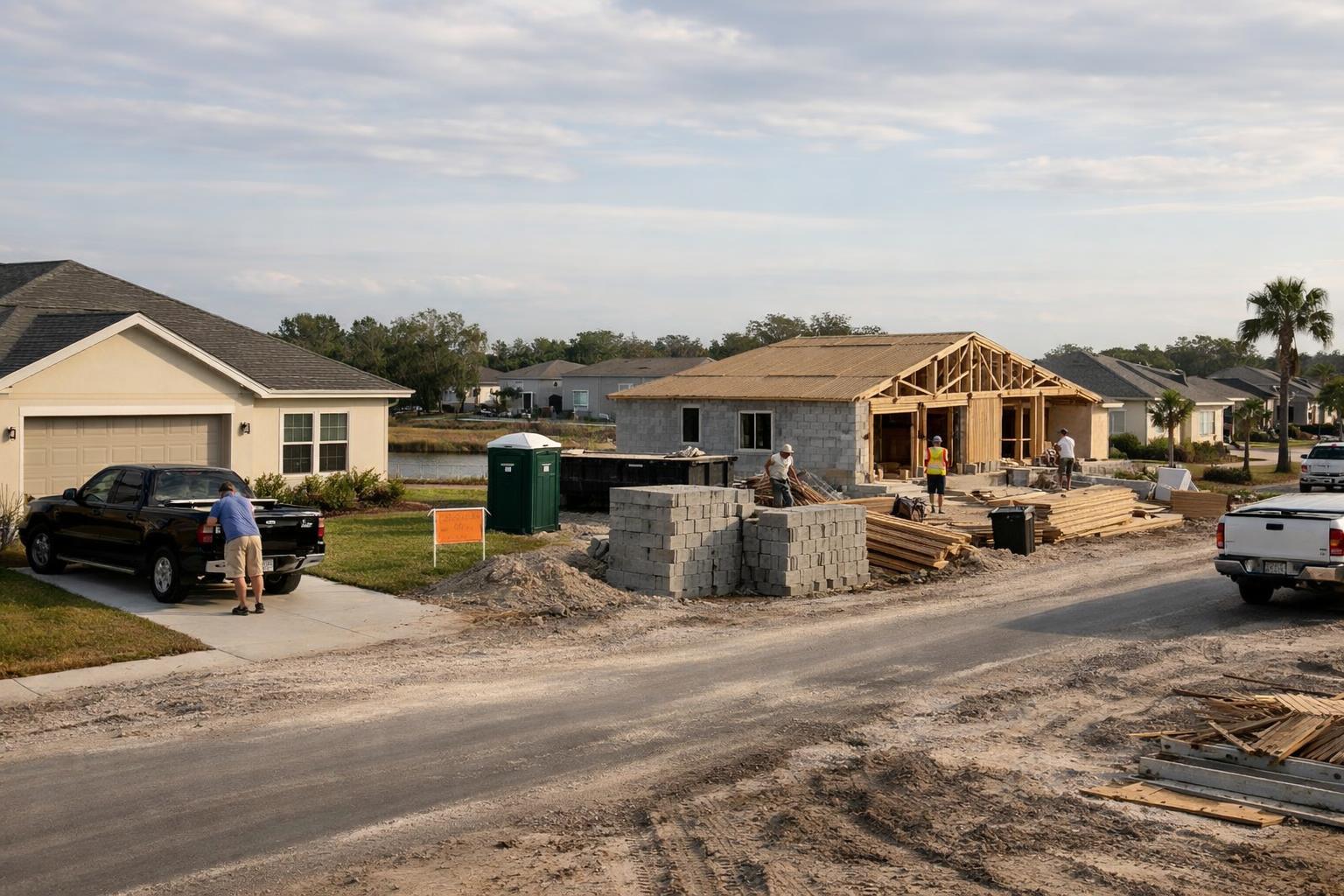
The benchmark 30-year fixed-rate mortgage climbed to 6.66% this week, its highest point in a year, as rising oil prices tied to the Iran conflict push bond yields and borrowing costs higher.
Source: Original report
U.S. mortgage rates extended their upward streak for a fourth straight week, reaching a level not seen in roughly a year and adding further pressure on buyers already navigating a challenging housing market.
Where Rates Stand Now
According to Freddie Mac, the average 30-year fixed-rate mortgage rose to 6.66% this week, up from 6.58% the prior week. While that figure edges just below the 6.72% average recorded one year ago, the sustained climb over the past month signals a meaningful shift in borrowing conditions for prospective homebuyers.
The 15-year fixed-rate mortgage — frequently used by homeowners looking to refinance — also moved higher, rising from 5.96% to 6.04%. A year ago, that rate stood at 5.85%, making current refinance economics comparatively less favorable.
What's Driving the Increase
Mortgage rates tend to track the 10-year Treasury yield, which lenders use as a benchmark when pricing home loans. That yield has been climbing in response to surging crude oil prices, which analysts attribute to the ongoing conflict in Iran that began in late February. Higher energy costs stoke inflation expectations, which in turn push long-term bond yields upward — and mortgage rates follow.
The Federal Reserve's policy stance is also a factor. The central bank has voted to hold its key interest rate steady, but market participants remain watchful for any signals of a potential rate hike amid mixed economic data.
Impact on Homebuyers and the Broader Market
Each incremental rise in mortgage rates translates into meaningfully higher monthly payments for borrowers. That erosion of purchasing power has contributed to sluggish home sales nationally in 2026, as many would-be buyers opt to stay on the sidelines and wait for conditions to improve.
- 30-year fixed rate: 6.66% (up from 6.58% last week; 6.72% a year ago)
- 15-year fixed rate: 6.04% (up from 5.96% last week; 5.85% a year ago)
For Florida buyers in particular, the combination of elevated rates and persistently high home prices continues to strain affordability. With no clear near-term catalyst for rates to retreat, the market may remain constrained through the summer buying season.