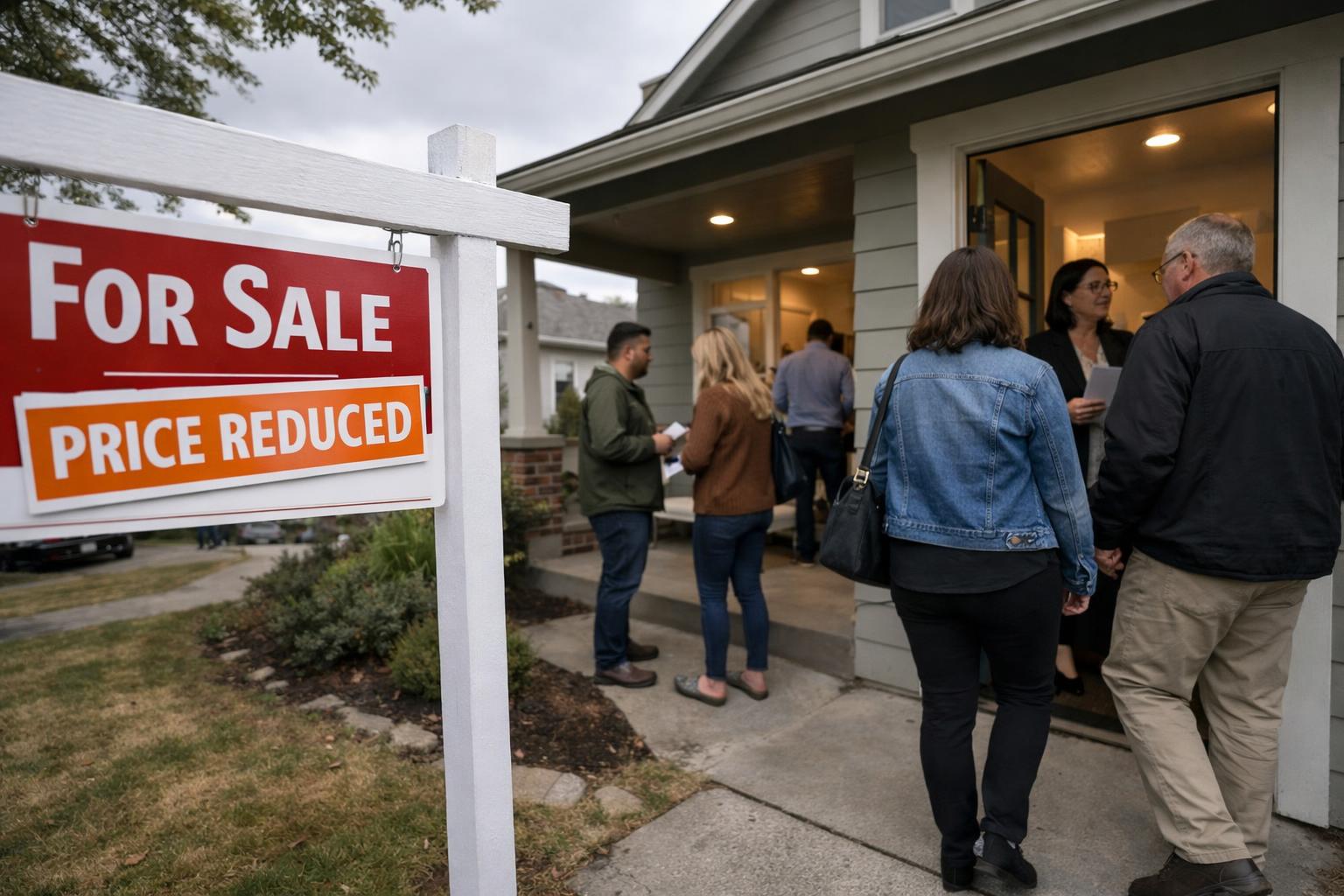
U.S. Home List Prices Dip as Market Cools
Redfin reports first year-over-year decline in median asking price since March.

Michael Carter covers U.S. mortgage trends and macro housing developments. He focuses on how interest rate movements, affordability shifts and broader economic conditions impact buyers, sellers and investors across the country. His reporting emphasizes data interpretation and practical market implications.
Redfin reports first year-over-year decline in median asking price since March.

Median U.S. home asking price falls for the first time since March as mortgage rates remain high.

Redfin data reveals a significant shift in the U.S. housing market, with buyers holding more negotiating power than they have in over a decade.

Pending home sales hit a 12-year low as mortgage rates surpassed 7%, cooling demand across major U.S. metros.

Redfin analysis shows varying timelines for housing costs to return to pre-pandemic levels across different metros

Weak job growth may give the Fed pause on rate hikes, potentially easing mortgage rate pressures.

Price reduction rate rises slightly, signaling a strong buyer's market with nuanced regional differences.

Mortgage rates surge as markets anticipate further Fed rate hikes, with key economic data releases this week set to shape expectations.
For the first time since January 2025, the average 30-year mortgage rate has surpassed 7%, marking the fifth consecutive week of increases.

Sun Belt cities attract migrants seeking affordability as coastal cities see outflows.

Redfin data reveals a shift in negotiating power as nearly half of U.S. homebuyers secure concessions from sellers.

30-year fixed rates reach 6.95%, marking the highest level in over 19 months and raising concerns about home affordability.

Redfin reports a 3.5% weekly decline in pending home sales, offering buyers more negotiating power and choices.

Gen Zers are chasing job opportunities while millennials seek affordable housing and space.

Recent inflation data has markets bracing for a Federal Reserve rate hike, but the path ahead remains uncertain.

Redfin reports a 58% gap between sellers and buyers, with the Sun Belt driving the shift.

Rising mortgage payments and home prices are keeping potential buyers on the sidelines, while sellers adjust to longer market times.
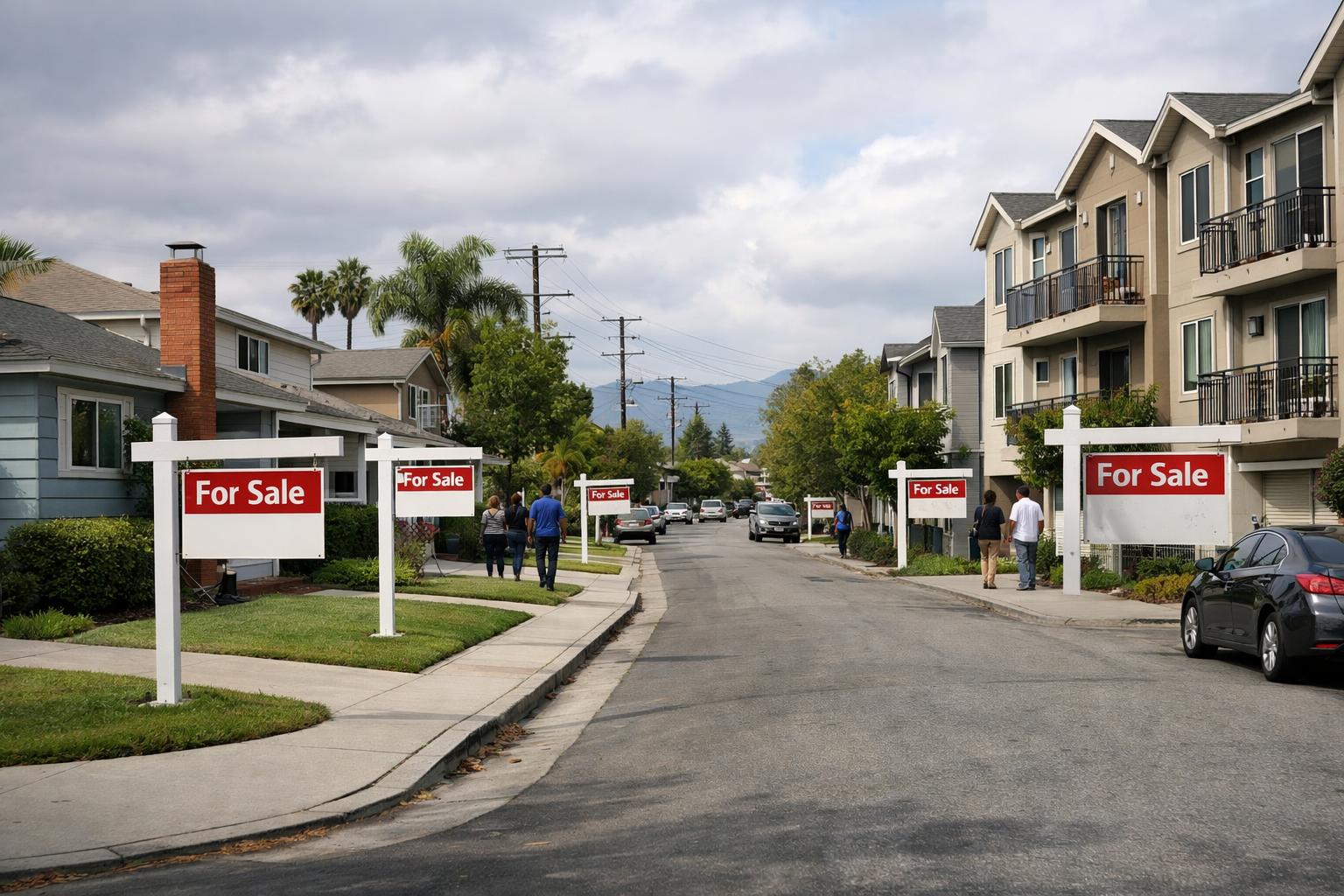
U.S. new listings hit a four-year peak in August, driven by cities like San Jose, Nashville, and Seattle, giving buyers more bargaining power.

A Redfin analysis of five decades of mortgage data finds that adjustable-rate mortgages have given most borrowers a window to refinance into a lower fixed rate before their introductory period even ends.

The benchmark 30-year fixed mortgage rate climbed to 6.71% this week, its highest point since July 2025, as rising borrowing costs continue to weigh on home sales and buyer purchasing power.

Fresh inventory is flooding the U.S. housing market at its fastest pace in four years, but sluggish demand and elevated mortgage rates are keeping many buyers on the sidelines.

San Francisco's housing market is accelerating on the back of AI-industry wealth, while Seattle's market cools under the weight of tech layoffs and economic uncertainty. Redfin data shows the two cities are now moving in sharply opposite directions.

A new Redfin analysis finds buyers need to earn roughly $41,000 more per year to afford a home in a highly rated school zone, and median-income households face long odds in those neighborhoods.

Fed Chair Warsh's hawkish Jackson Hole speech has put a rate hike back on the table, shifting expectations ahead of the September 16th FOMC decision and leaving mortgage borrowers in a two-week holding pattern.