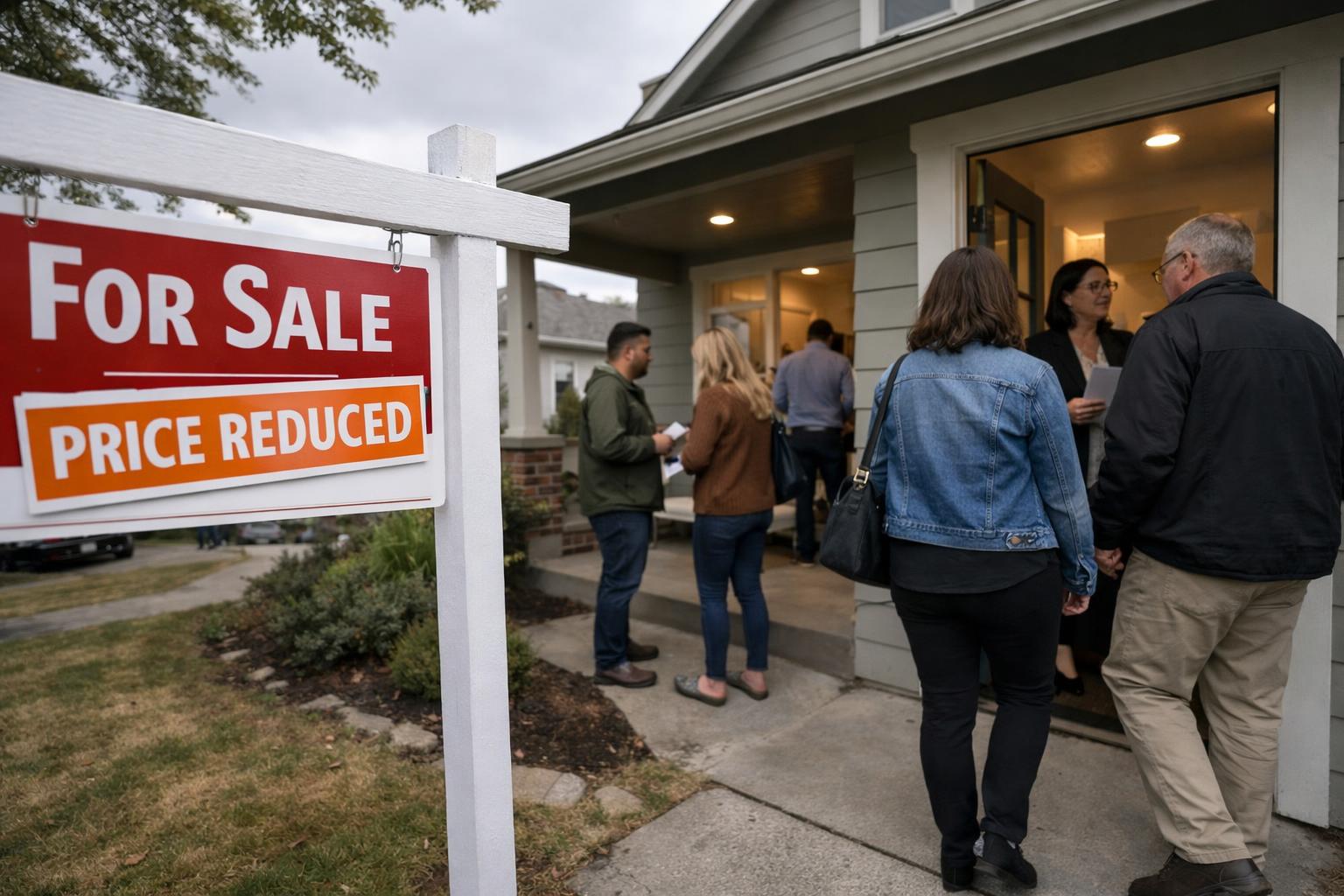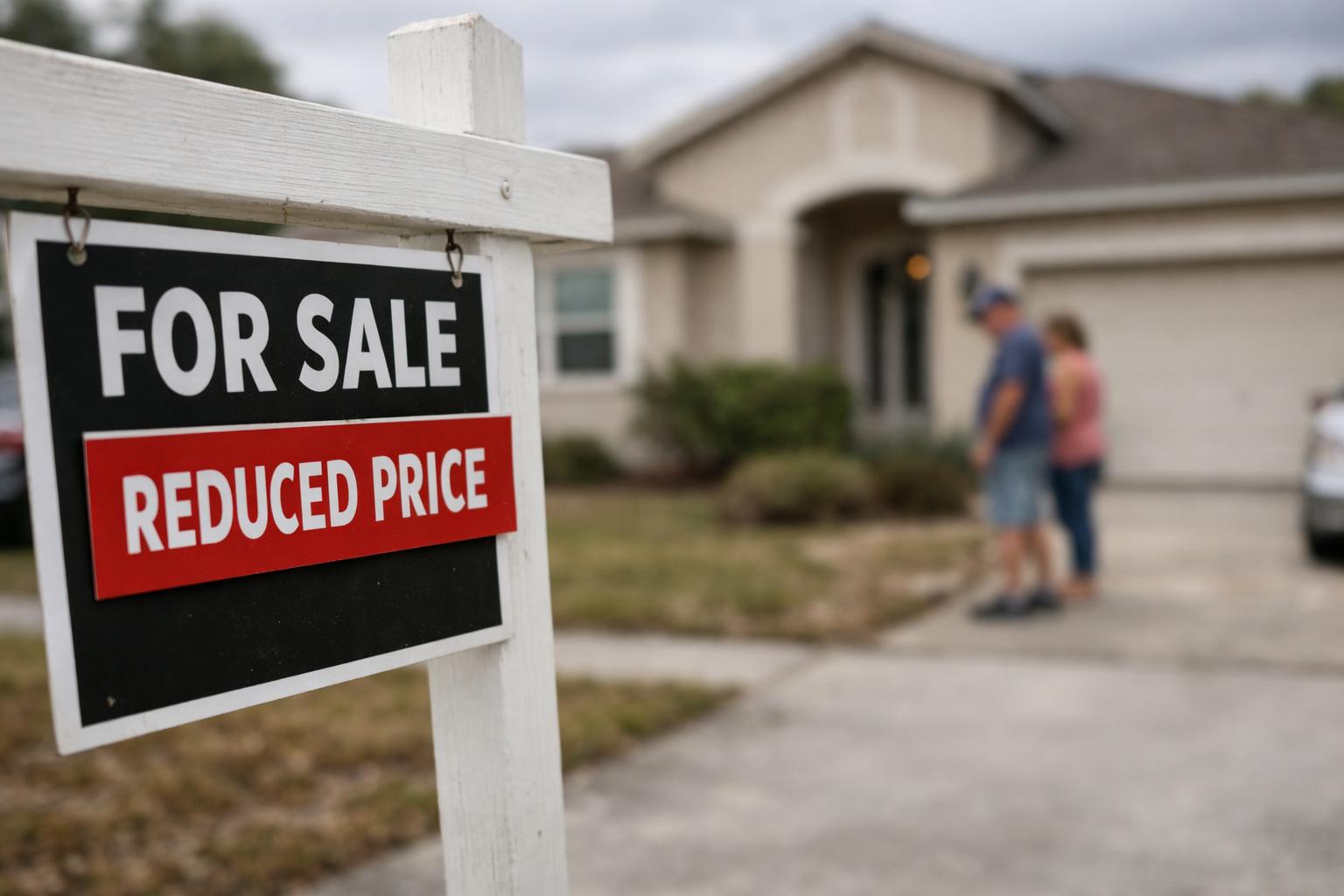


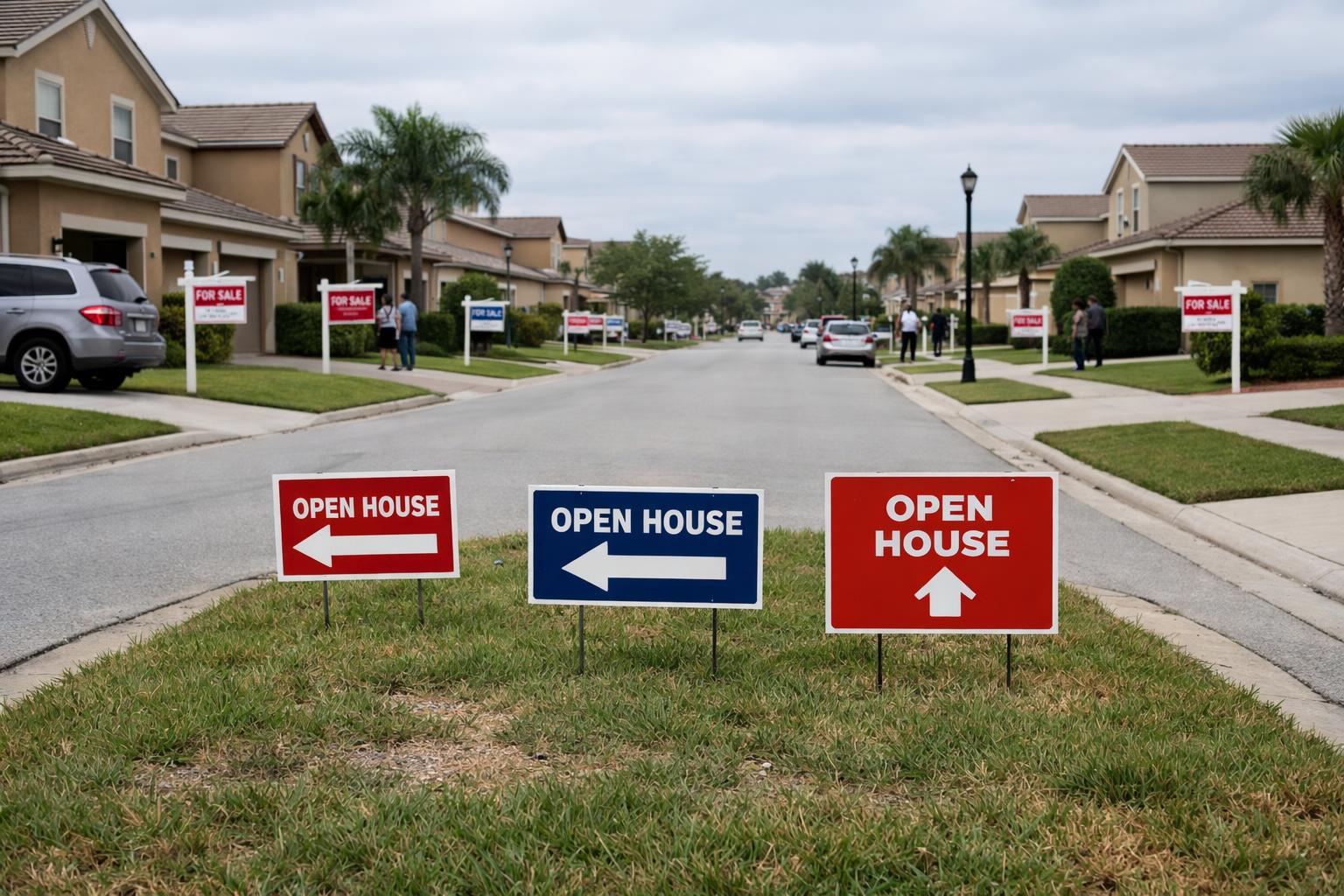
After months of growing buyer leverage, the gap between home sellers and buyers finally began to narrow in April 2026, signaling a potential turning point in the U.S. housing market.
Source: Original report
The Buyer's Market May Have Peaked
For the better part of a year, U.S. homebuyers have enjoyed growing negotiating power as the number of sellers far outpaced the number of active buyers. That trend appears to be reversing. In April 2026, there were an estimated 46.5% more sellers than buyers nationally, a decline from 47.5% the prior month and a December 2025 peak of nearly 49%, according to Redfin data.
While conditions still clearly favor buyers, the market is no longer tilting further in their direction. The balance of power is stabilizing — and in some metros, it's already shifting back toward sellers.
More Buyers Are Entering the Market
Redfin estimates approximately one million active homebuyers were in the market during April, representing a 2% month-over-month increase — the largest single-month jump in over a year. At the same time, seller counts rose roughly 1.3%, reaching an estimated 1.5 million active listings. Because buyer growth is outpacing seller growth, the supply-demand imbalance is gradually closing.
Redfin Senior Economist Asad Khan attributed the uptick to improving economic conditions: buyer demand had been softening for months, but a stabilizing job market and reduced recession concerns helped draw more house hunters back into the search. If buyer activity continues to build, Khan noted, more homeowners may feel confident enough to list — potentially pulling the market out of its prolonged stall.
19 Buyer's Markets Saw Sellers Gain Ground
Of the 49 major metro areas Redfin analyzed, 34 remained in buyer's market territory in April. However, sellers clawed back negotiating power in 19 of those markets. The largest single-month improvement for sellers occurred in West Palm Beach, FL, where the seller-buyer gap narrowed by 10.2 percentage points. Other notable shifts included:
- Tampa, FL: -8.5 percentage points
- Indianapolis, IN: -7.1 percentage points
- Anaheim, CA: -5.7 percentage points
- Austin, TX: -5.0 percentage points
West Palm Beach's shift aligns with recent reports of increased luxury buyer activity in the area, driven by an influx of out-of-state purchasers.
Seven Metros Are Now Seller's Markets
The number of seller's markets among the top U.S. metros climbed to seven in April, up from five in March and the highest count in nine months. Nassau County, NY led as the tightest market, with roughly 28% fewer sellers than buyers. Other seller's markets included Newark, NJ; Montgomery County, PA; New Brunswick, NJ; Providence, RI; San Francisco, CA; and Milwaukee, WI.
Home prices in these seven seller's markets rose an average of 3.9% year over year in April, compared to just 1.2% across the 34 buyer's markets — reflecting the real pricing leverage that seller-favored conditions can generate.
Sun Belt Cities Remain the Strongest Buyer's Markets
Despite the national shift, several major Sun Belt metros remain deeply in buyer's market territory. Miami topped the list with an estimated 137% more sellers than buyers. Nashville, San Antonio, Houston and Las Vegas all followed with seller-to-buyer surpluses exceeding 100%.
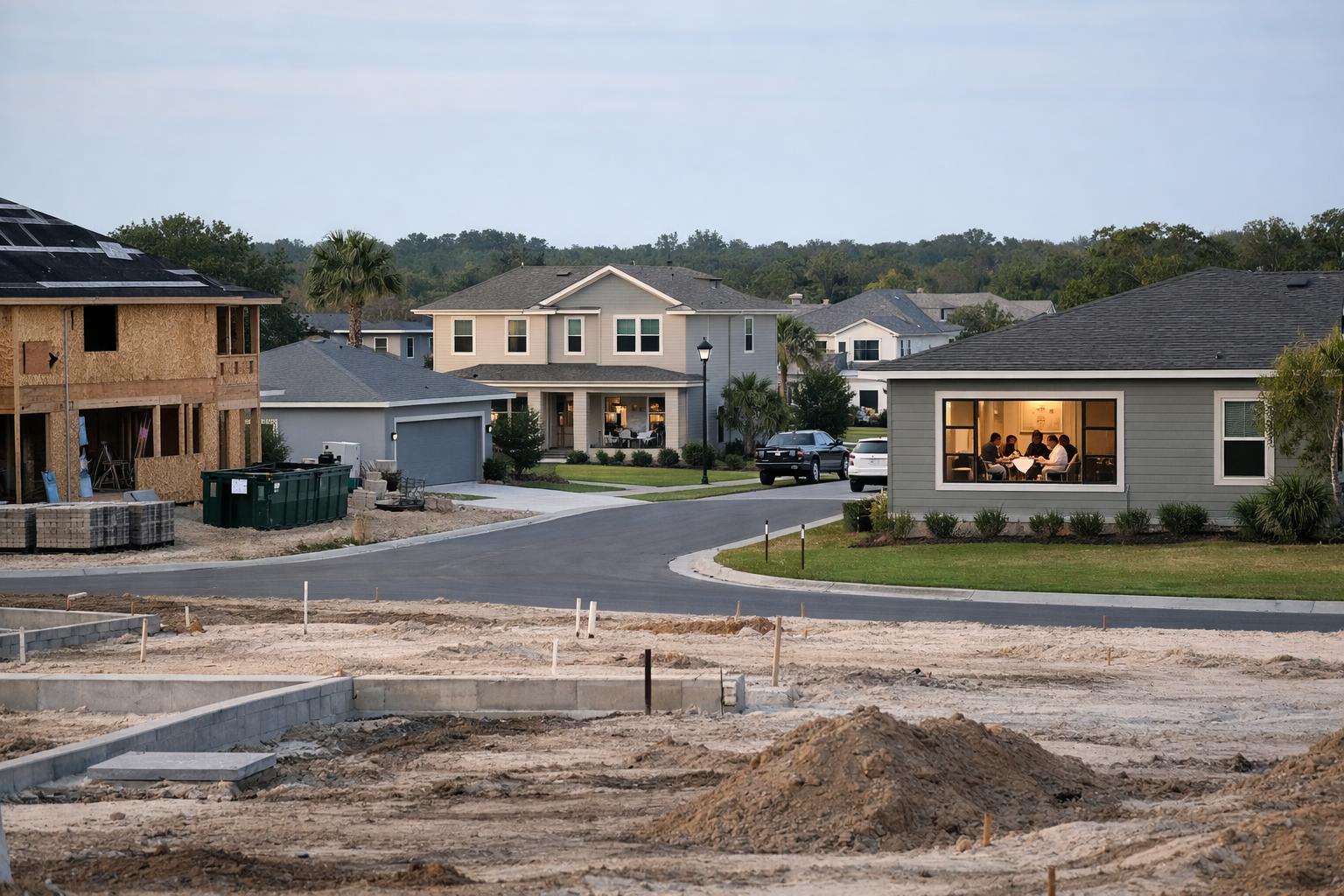
The Sun Belt's inventory overhang traces back to the pandemic-era housing boom, when heavy in-migration from pricier coastal cities triggered a wave of new construction. Builders ramped up to meet demand, and now supply significantly outstrips buyer interest — particularly as steep home prices have pushed many prospective buyers out of the market entirely.
Florida presents an additional dynamic: rising insurance costs, more frequent natural disasters and increasing condo HOA fees have prompted some residents to sell and leave the state, adding further to supply. Miami, with its high concentration of condos, consistently ranks among the most supply-heavy markets in the country.
What This Means for Buyers and Sellers
Buyers still hold a meaningful edge in most of the country, but the window of maximum leverage may be closing. Those on the sidelines waiting for conditions to improve further may find the market growing more competitive in coming months — particularly if job-market stability continues to draw in new buyers. Sellers in still-oversupplied markets, especially across the Sun Belt, should expect to remain flexible on price and terms for the near term.