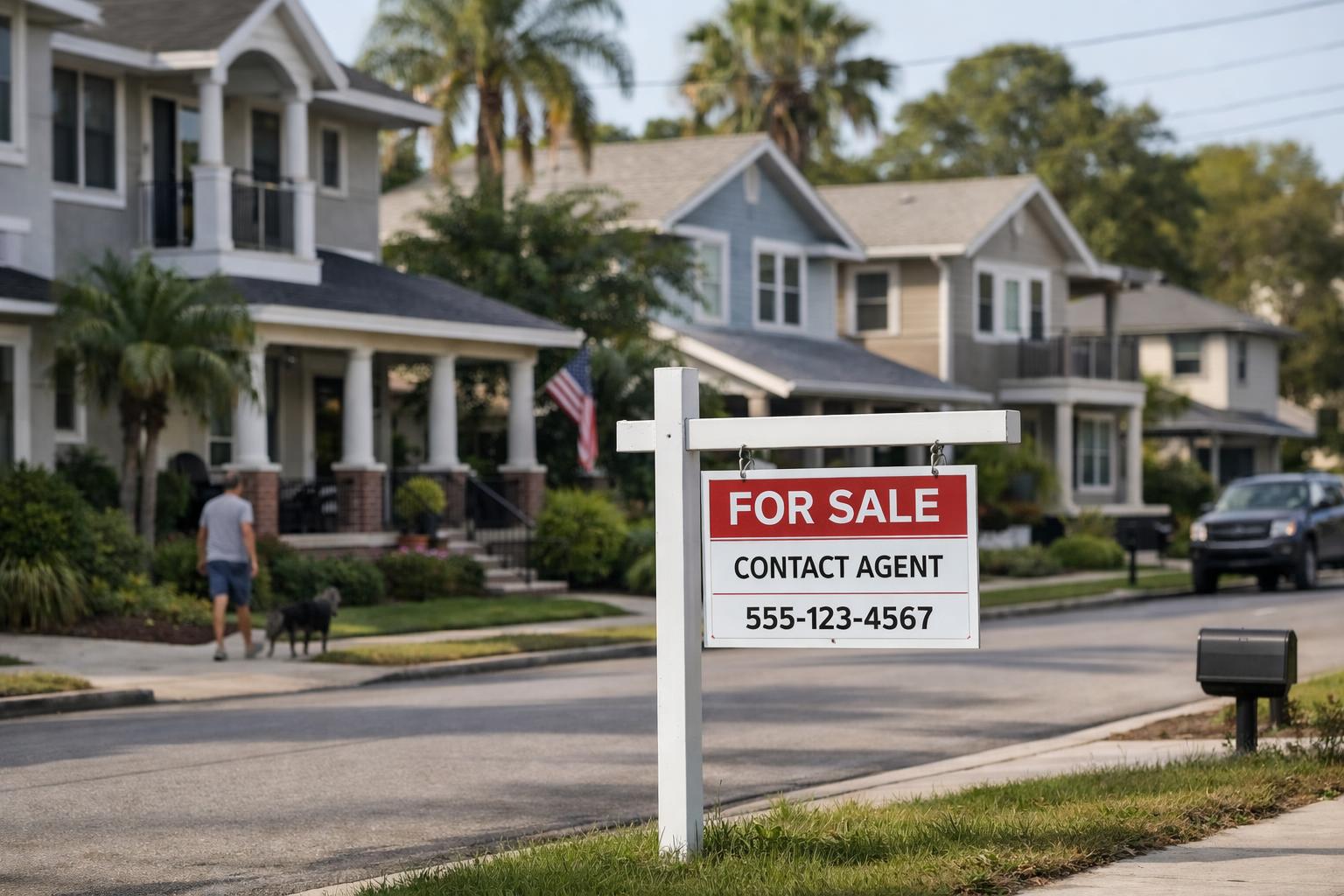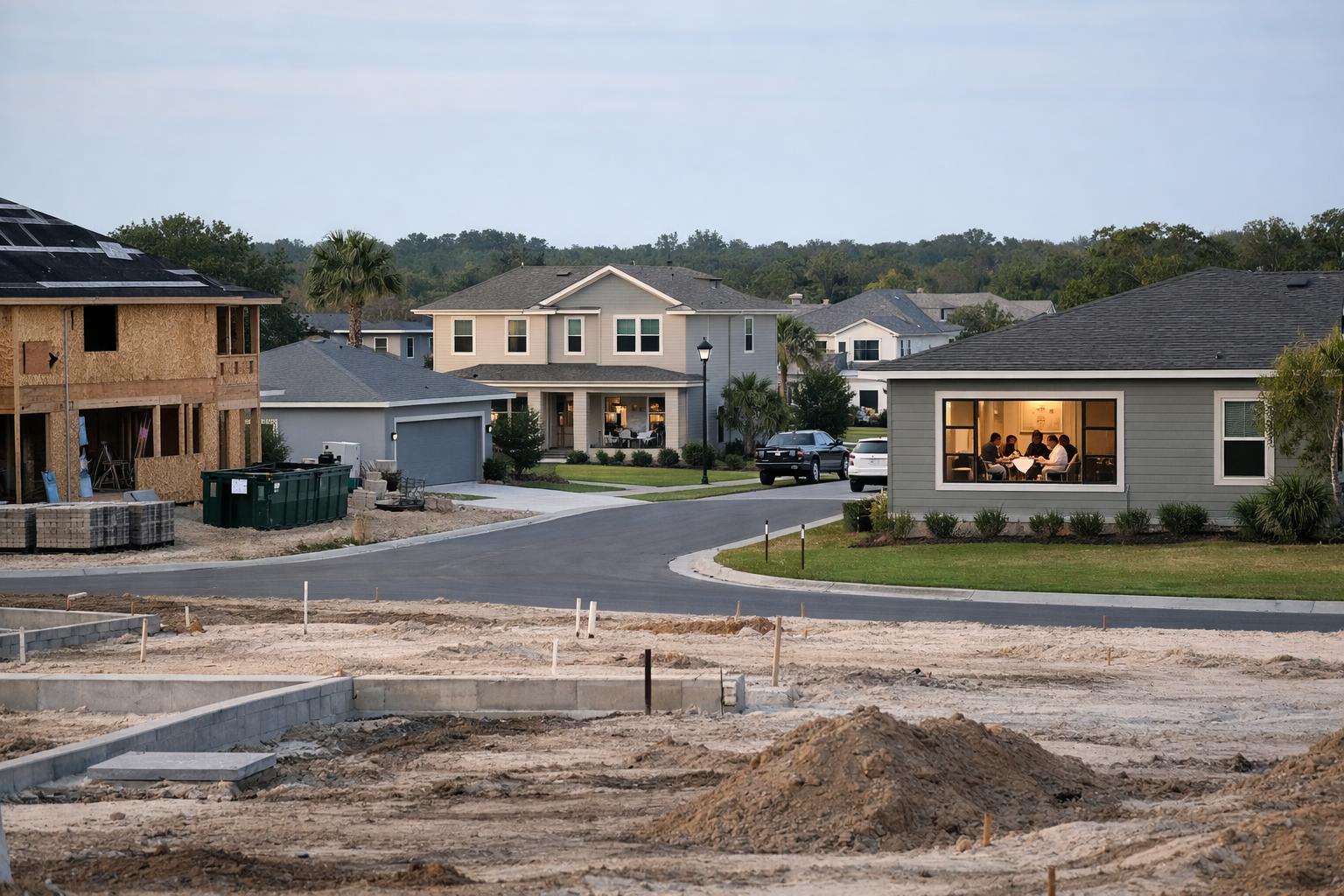


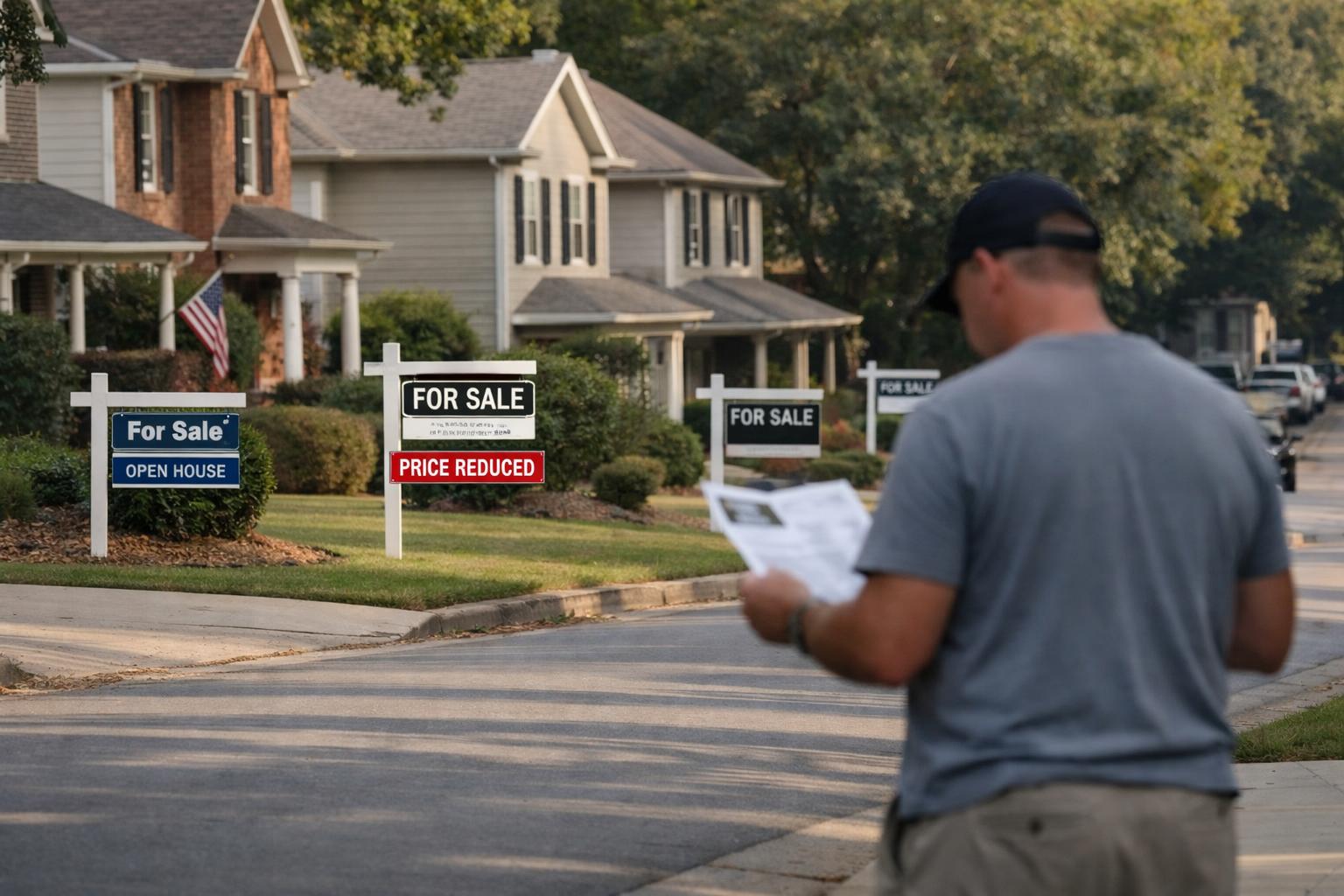
Roughly 47,000 U.S. home-sale contracts fell apart in April, but the cancellation rate edged down slightly as sellers grew more flexible and buyers adjusted to elevated mortgage costs.
Source: Original report
The pace of home-purchase contract cancellations in the United States stabilized in April, with approximately 47,000 deals falling through — representing 13.4% of homes that entered contract during the month. That rate slipped by a tenth of a percentage point compared to March, tying January's figure as the lowest cancellation share since September 2024, according to new data from Redfin.
Why Cancellations Are Easing
After several years of market turbulence, both buyers and sellers appear to be developing a more grounded understanding of current conditions. Sellers in most of the country have increasingly accepted that buyers hold more leverage, and many are responding by cutting prices or offering concessions to prevent deals from collapsing.
On the buyer side, some of the sticker shock tied to elevated monthly payments has faded. Pending home sales have been rising, suggesting that more buyers are committing to purchases rather than walking away. A three-week stretch of declining 30-year fixed mortgage rates in April also gave some buyers additional confidence to move forward — though rates climbed again in May.
Despite the modest improvement, cancellation rates remain well above the levels seen during the 2020–2022 seller's market, when low inventory and intense competition made buyers reluctant to back out under any circumstances. Today, with more homes available relative to demand, buyers have greater flexibility to exit a deal during the inspection period if a better option surfaces. Economic concerns — including job security worries — are also prompting some hesitation.
Sun Belt Markets See the Highest Cancellation Rates
Atlanta recorded the highest share of fallen deals among the 50 largest U.S. metros in April, with nearly one in five agreements (19.3%) canceled. The city exemplifies the buyer-heavy conditions driving cancellations across the Sun Belt, where seller inventory far outnumbers active buyers. The next highest cancellation rates were recorded in:
- San Antonio, TX — 18.9%
- Fort Worth, TX — 17.6%
- Tampa, FL — 17.4%
- Phoenix, AZ — 17.0%
In contrast, San Francisco posted the lowest cancellation rate of any major metro at just 2.8%, reflecting a tight market energized by demand connected to the artificial intelligence industry. Nassau County, NY (3.3%) and San Jose, CA (6.8%) also reported relatively few deal failures, consistent with their status as seller-leaning markets where buyers hesitate to walk away.
Orlando Led the Month-Over-Month Improvement
Among metro areas where cancellation rates fell on a seasonally adjusted basis in April, Orlando saw the sharpest decline — dropping from 18.5% to 16.8%. New Brunswick, NJ and San Francisco also recorded meaningful improvements.
On the other side, Detroit saw the biggest increase in cancellations, rising 2.8 percentage points to 16.9%. Nashville and Houston also posted month-over-month increases.
Local Market Dynamics Still Matter
In tighter local markets, cancellations remain uncommon. A Redfin agent in Syracuse, NY noted that limited supply keeps buyers engaged once they find a suitable home in their price range, with bidding wars more prevalent than deal fallout. When cancellations do occur, they tend to stem from post-inspection repair disputes or appraisal gaps rather than cold feet.
The broader picture suggests a housing market that, while still tilted in favor of buyers across much of the country, is finding a more predictable rhythm heading into the summer season.