

Affordable listings are growing in Miami, Tampa, Orlando and Jacksonville, though housing deficits remain substantial and uneven across the state's largest markets.
Source: Original report
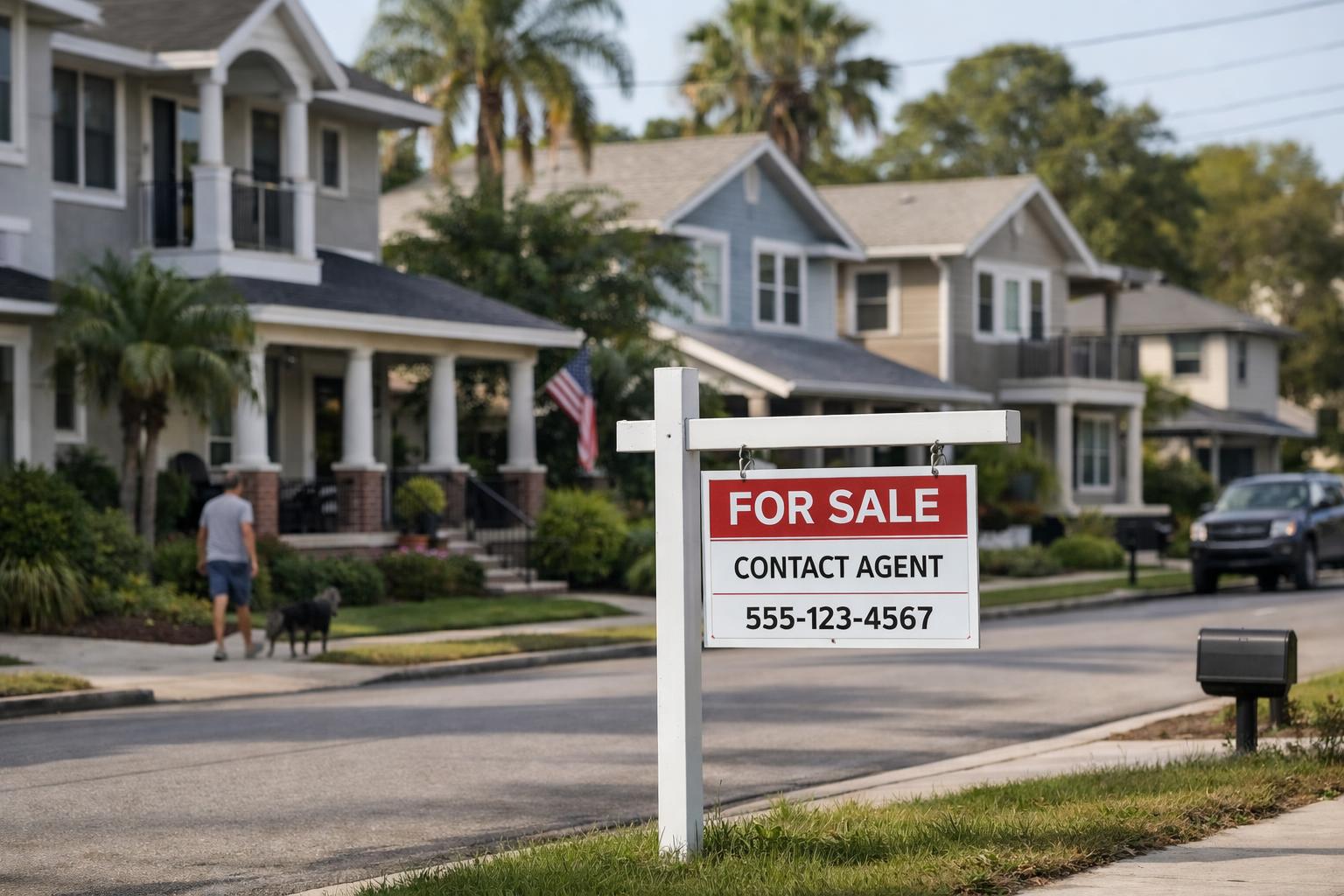
Florida's four largest metro areas all recorded a rise in the share of affordable home listings over the past year, according to new data from Zillow, offering cautious optimism for buyers navigating a persistently tight market.
Affordable Listings Gaining Ground
Zillow's analysis compared affordability conditions between May 2025 and May 2026 across Miami, Tampa, Orlando and Jacksonville. Jacksonville led the group, with 33.3% of listings meeting Zillow's affordability threshold — up from 29.3% a year earlier. Tampa followed closely at 32.3%, climbing from 27.1%.
Orlando and Miami also posted gains. Orlando's affordable share rose to 27.6% from 23.1%, while Miami's climbed to 28% from 24.1%.
Zillow defines an affordable listing as one where a household earning the local median income would commit no more than 30% of monthly income to mortgage costs, assuming a 20% down payment.
Supply Deficits: Mixed Results by Market
Progress on the supply side was uneven. Miami reduced its housing deficit by roughly 3,600 units, bringing the shortfall to approximately 68,300 homes. Jacksonville saw its deficit shrink by around 2,900 units to just over 10,300.
However, Orlando and Tampa moved in the wrong direction. Orlando's gap widened by about 6,000 units to more than 30,400, while Tampa's deficit grew modestly by roughly 680 units to around 33,900.
A National Picture That's Slowly Improving
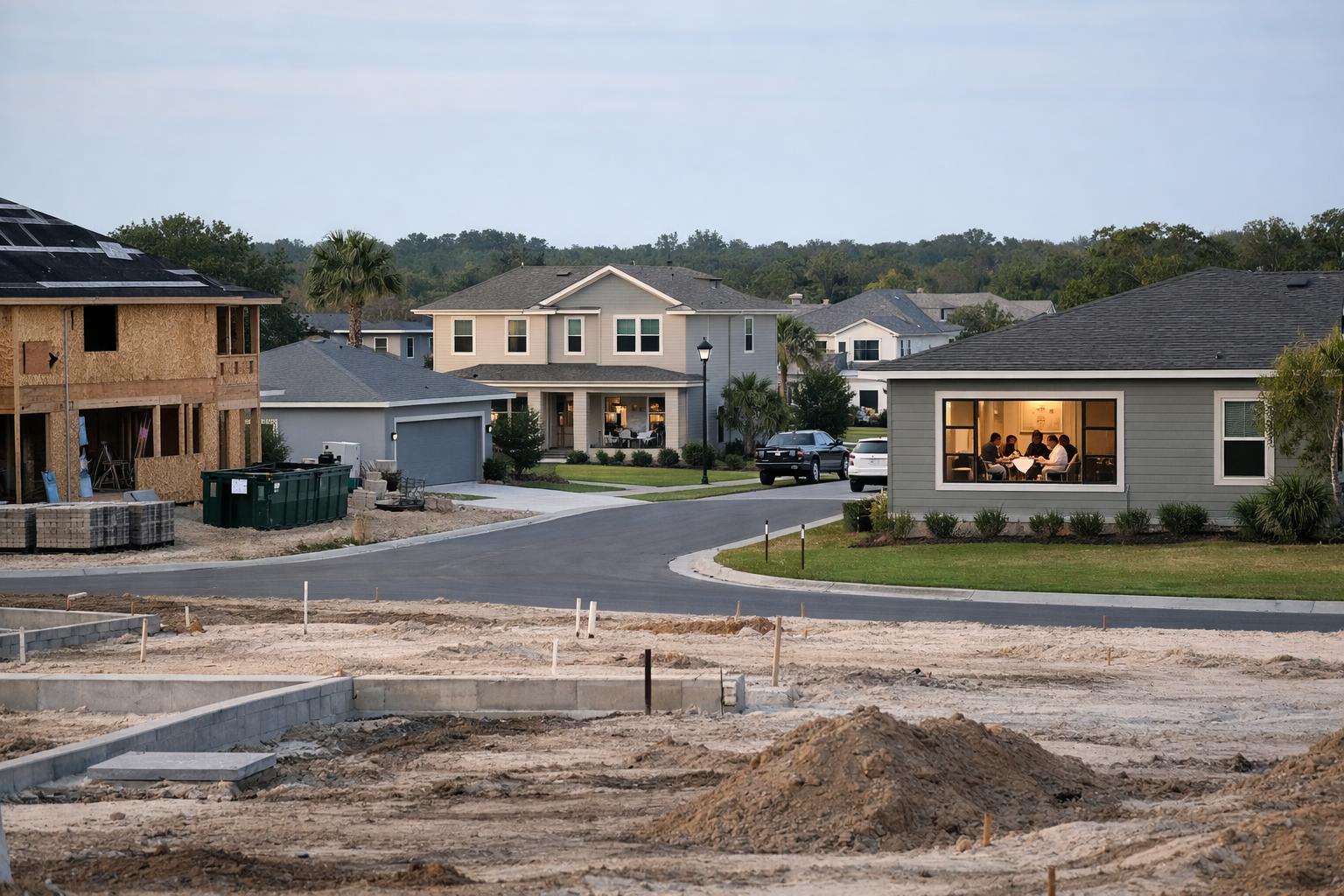
Nationally, the housing shortfall held near 4.7 million units in 2024, growing by only about 43,000 homes — a significantly smaller increase than in prior years. Zillow attributed the slowdown in deficit growth partly to a surge in new construction activity, including the highest volume of completed multifamily units in five decades. The U.S. added roughly 1.4 million new housing units in 2024.
Zillow senior economist Orphe Divounguy summed up the national situation: "The country is not yet building its way out of the hole, but we stopped digging."
What It Means for Florida Buyers
The data points to incremental improvement in Florida's housing landscape, but large deficits in every metro area signal that supply remains well below what demand requires. Buyers in Jacksonville and Miami may feel modest relief sooner, while those in Orlando and Tampa face a market where supply constraints are still growing. The expansion of affordable inventory across all four markets is encouraging, though affordability itself remains relative given current mortgage rates and income levels.