
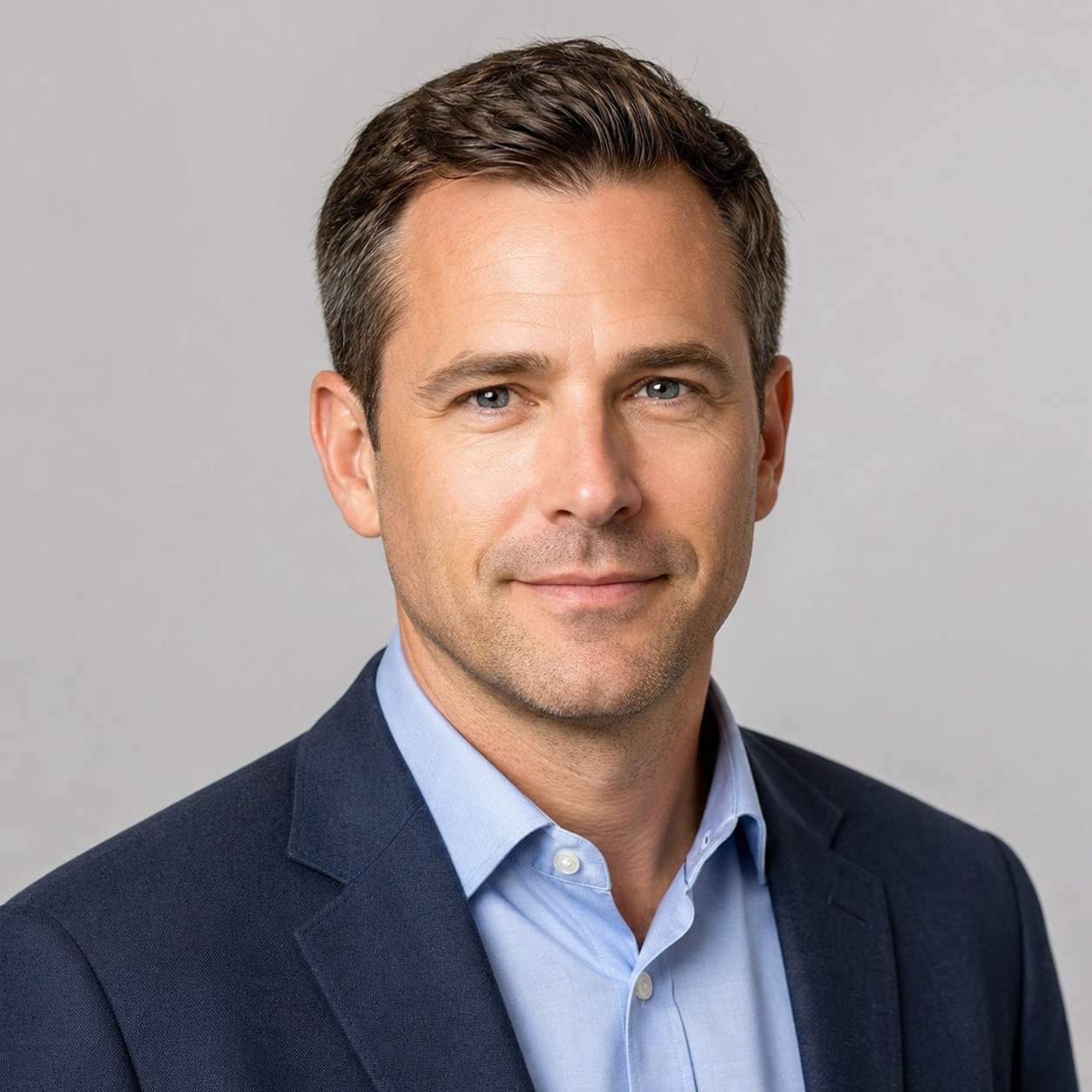

Federal Reserve Chair Kevin Warsh told an annual central bank conference that inflation remains too stubborn to declare victory, and that current interest rates may not be tight enough to return prices to the Fed's 2% target.
Source: Original report
Warsh Strikes a Hawkish Tone at Jackson Hole
Federal Reserve Chair Kevin Warsh used his first major address at the Fed's annual Jackson Hole, Wyoming conference to deliver a cautionary message: inflation is still too high, and the central bank has not ruled out raising interest rates in the months ahead. While he acknowledged that recent data showed some modest cooling, he said those figures do not confirm that underlying price pressures have fundamentally improved.
"We must be confident that underlying inflation is moving to our objective, clearly and at sufficient speed," Warsh said, adding that further policy action may be necessary if that confidence is lacking.
A Shift in Tone from Prior Guidance
Warsh, who took over from Jerome Powell on May 22, has been reluctant to offer what Wall Street calls "forward guidance" — direct signals about whether the Fed will raise, cut, or hold rates at upcoming meetings. He argues this approach preserves the central bank's flexibility. On Friday, however, his remarks carried a noticeably sharper edge, suggesting that prevailing borrowing costs may not be high enough to slow economic activity and reduce inflation.
He pointed to strong business investment — particularly in artificial intelligence infrastructure — and resilient consumer spending as evidence that current rates are not meaningfully restricting growth. That observation matters because rate policy typically works by making borrowing expensive enough to reduce demand and, in turn, lower prices.
Inflation Data Remains the Central Concern
According to the Fed's preferred inflation gauge, prices rose 3.7% in July — well above the 2% target. Warsh noted that over the past year, more than half of the goods and services the government tracks have seen price increases of 3% or higher. Though that figure has declined from pandemic peaks, it remains far above the roughly 32% that was typical in the two decades before the pandemic.
Inflation briefly eased in June and July after a spike driven by surging gasoline prices in May, but Warsh characterized the inflation picture as "more concerning" than labor market conditions, where the unemployment rate remains low.
What Comes Next for Interest Rates
The Fed's next policy meeting is scheduled for September 15–16. Most analysts do not expect a rate increase at that session. However, futures markets tracked by CME FedWatch indicate investors are pricing in the possibility of a hike by December.
Adding to financial market tension, the 30-year Treasury bond yield recently hit its highest point in 19 years, a development unusual enough to prompt Treasury Secretary Scott Bessent to initiate bond buybacks in an effort to push yields lower.
Implications for Florida's Housing Market
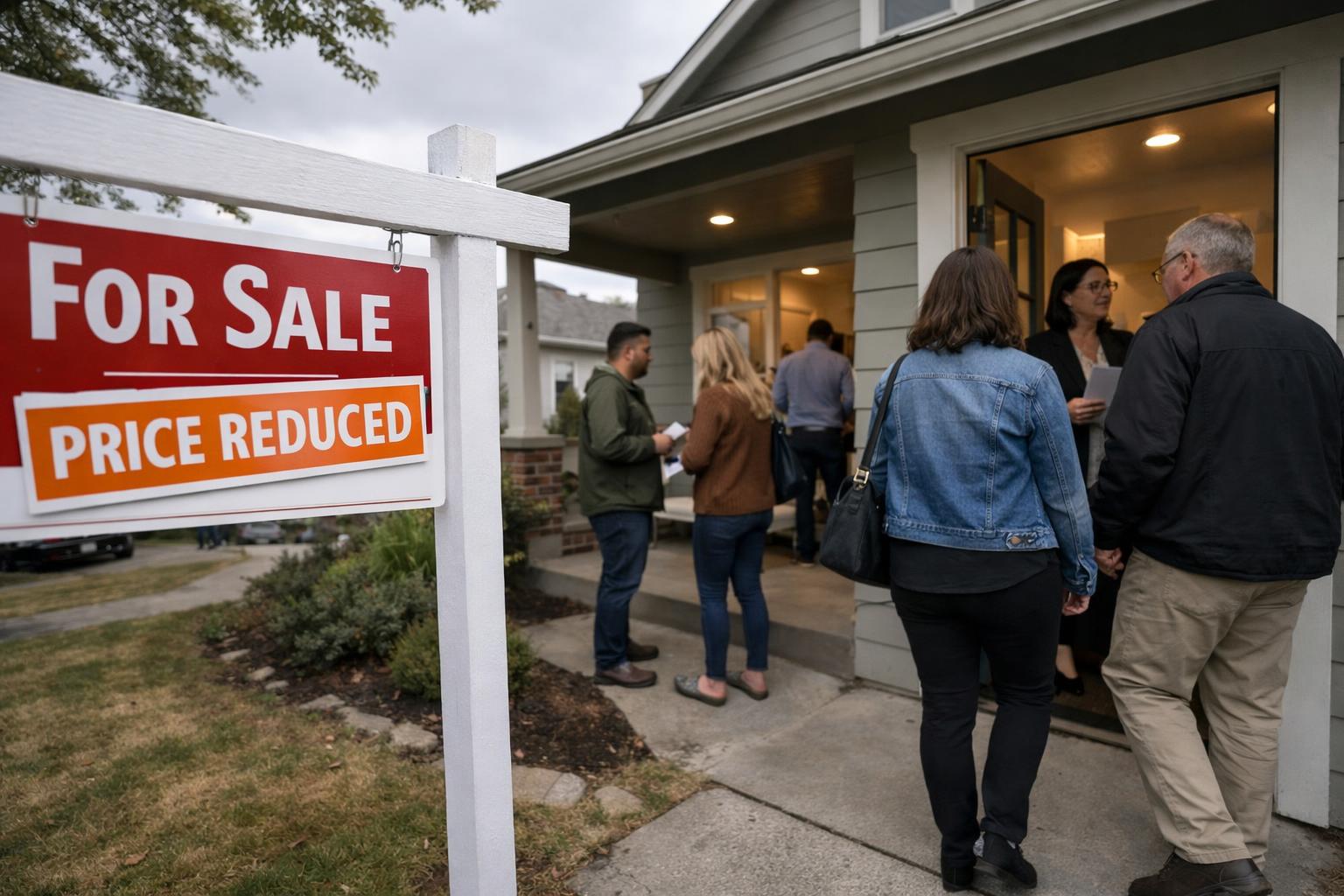
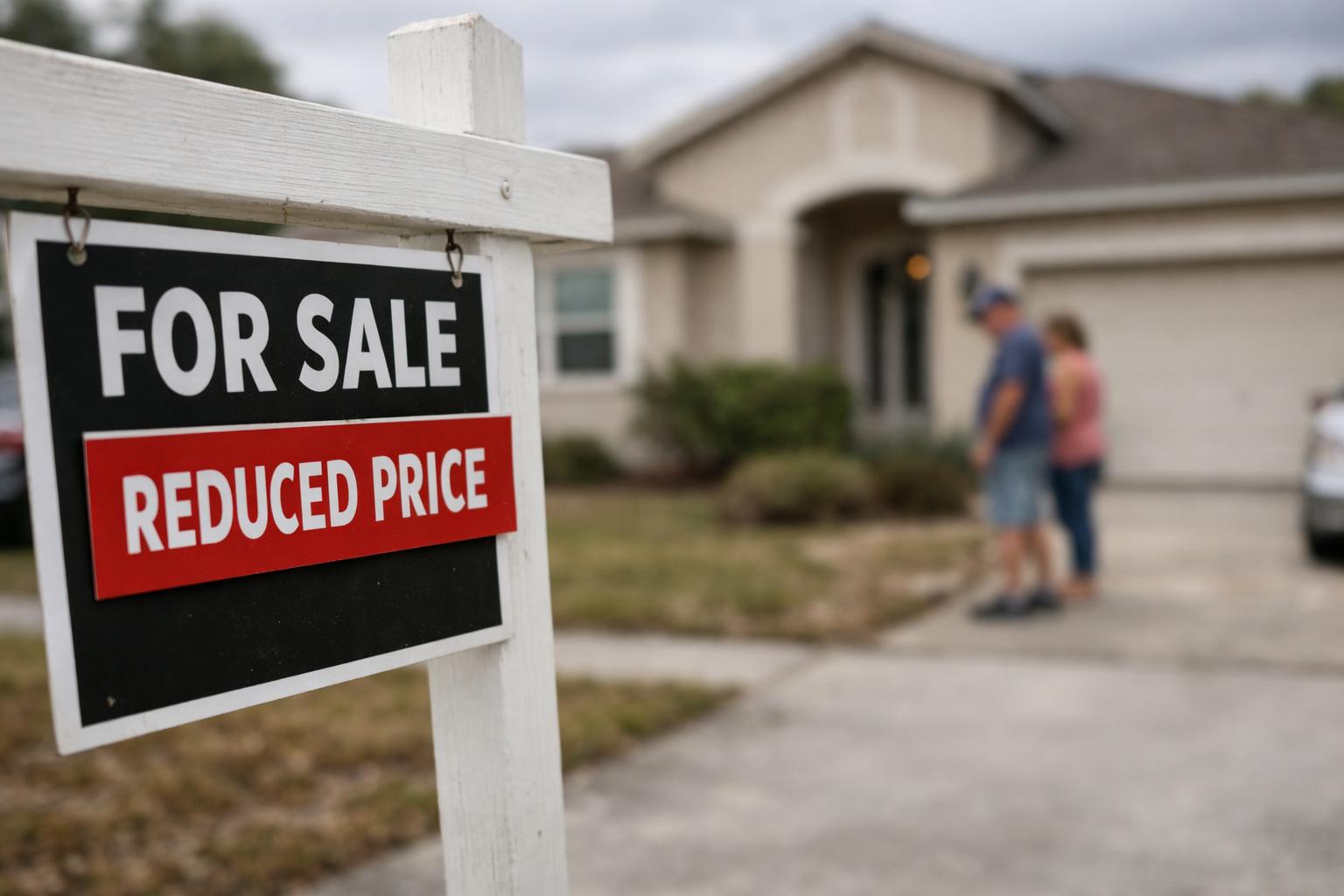
For Florida homebuyers, sellers, and real estate professionals, the Fed's posture has direct consequences. Mortgage rates — already elevated — tend to track Treasury yields and Fed rate expectations closely. Any additional rate increases would likely push borrowing costs higher, further straining affordability in a state where home prices remain elevated relative to income. Buyers considering locking in a rate should monitor Fed communications closely ahead of the September meeting.