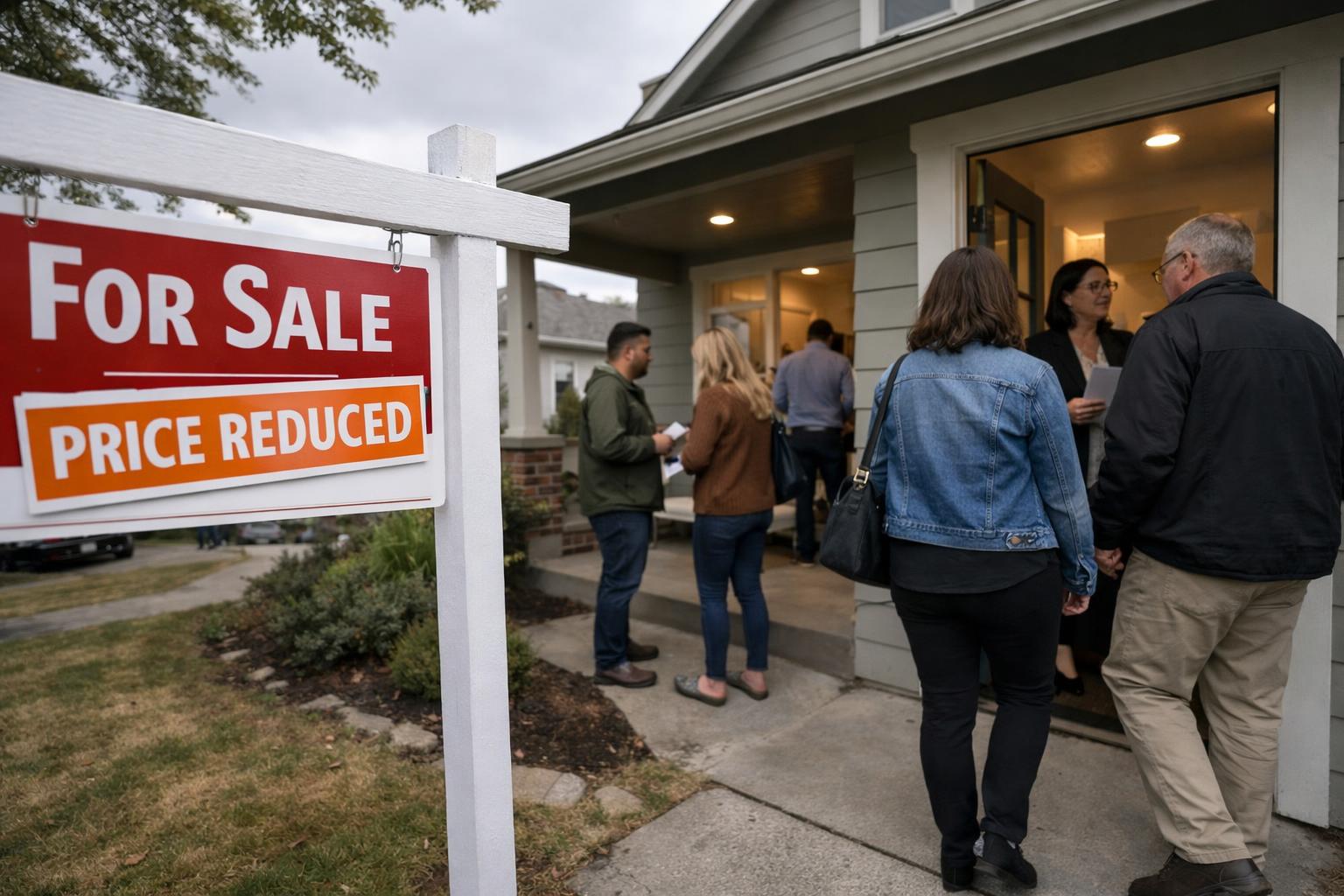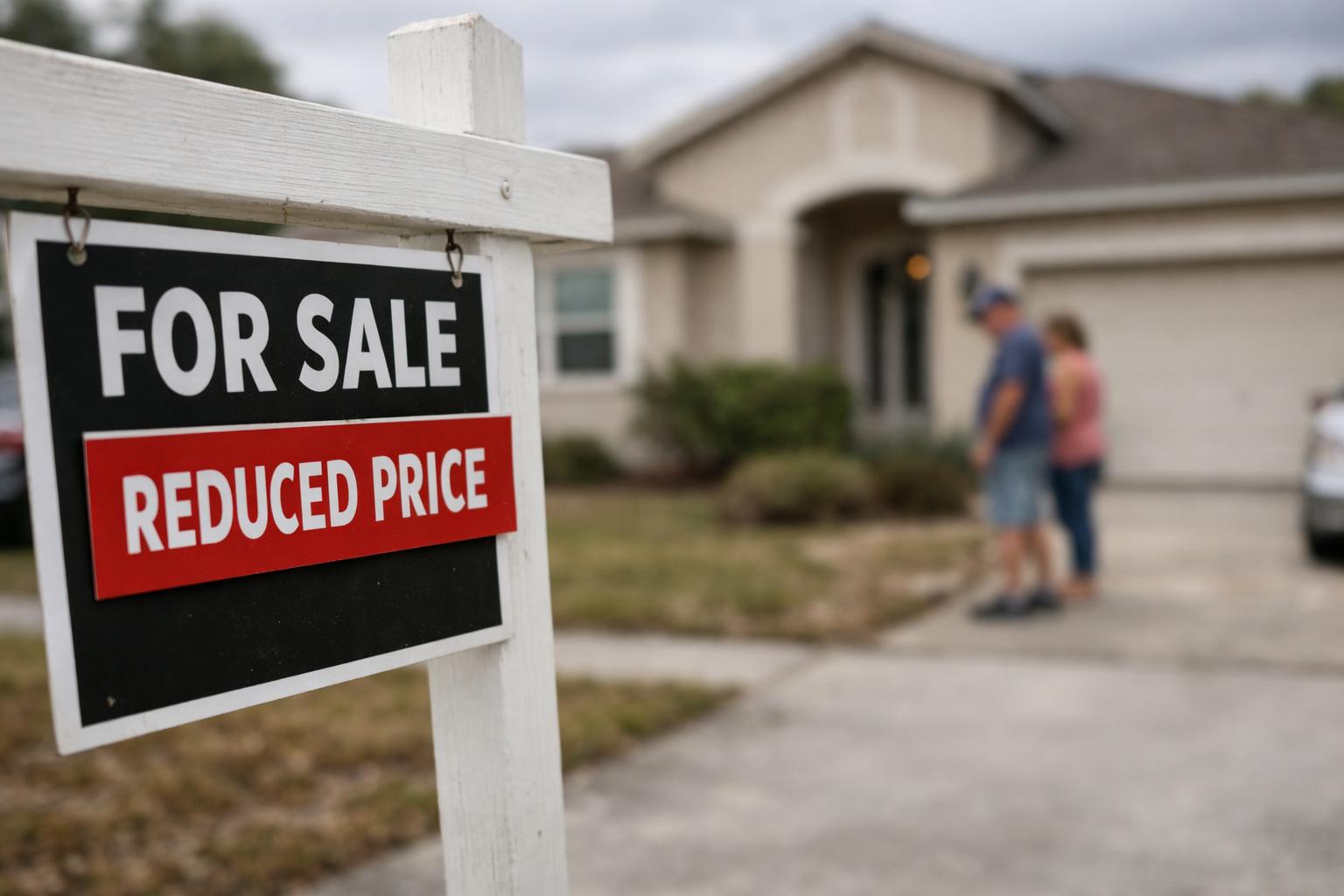



The benchmark 30-year fixed mortgage rate climbed to 6.71% this week, its highest point since July 2025, as rising borrowing costs continue to weigh on home sales and buyer purchasing power.
Source: Original report
Rates Keep Climbing
The average rate on a 30-year fixed mortgage rose to 6.71% this week, up from 6.66% the previous week, according to Freddie Mac. That marks the highest reading for the benchmark rate in over 13 months — not seen since late July 2025, when it briefly touched 6.72%. A year ago, the same loan averaged 6.50%.
Refinancers Also Face Higher Costs
The 15-year fixed mortgage, a popular choice for homeowners looking to refinance, also moved upward. Its average rate reached 6.04%, climbing from 5.98% the prior week. Twelve months ago, that rate stood at 5.60%, making today's refinancing environment noticeably more expensive for borrowers hoping to lower monthly obligations.
What's Driving Rates Higher
Mortgage rates respond to a range of economic signals, including:
- Inflation trends — persistent price pressures can push rates upward
- Federal Reserve policy — broader benchmark rate decisions influence lending costs
- Bond market expectations — the 10-year Treasury yield, which lenders follow closely when pricing home loans, is a key indicator
When these factors point toward sustained economic uncertainty or elevated inflation, long-term borrowing costs tend to follow suit.
Impact on Homebuyers
Each incremental increase in mortgage rates can translate into hundreds of additional dollars in monthly payments, depending on loan size. That erosion of purchasing power is pushing many prospective buyers to the sidelines, contributing to a prolonged slump in U.S. home sales. Buyers who might have qualified for a certain price range earlier in the year may find themselves priced out as rates continue to drift higher.
What This Means for Florida's Market
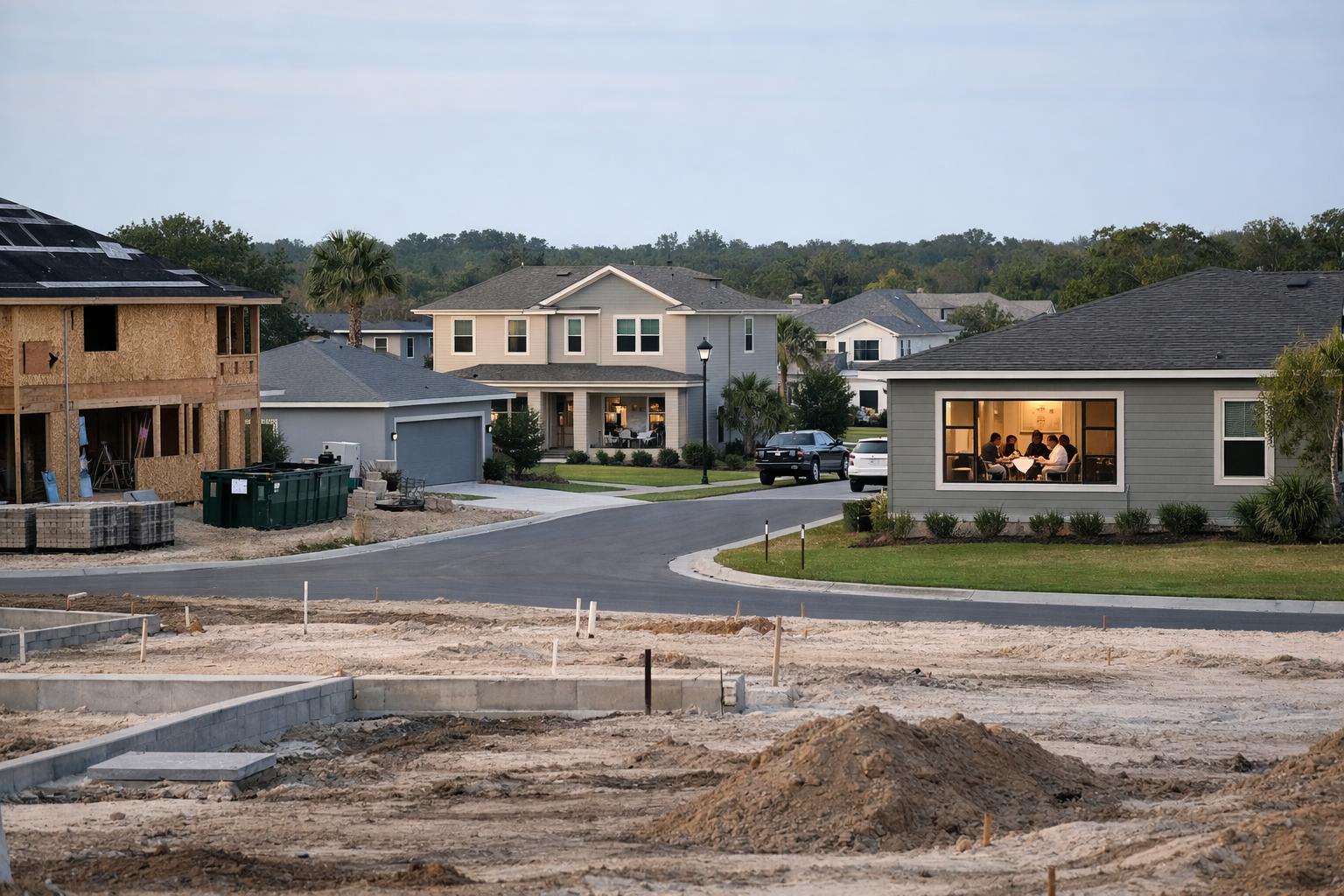
Florida buyers are not immune to national rate pressures. A market already contending with elevated home prices and rising insurance costs now faces additional headwinds from climbing mortgage rates. The combination is likely to keep inventory elevated and transaction volume subdued in the near term, as sellers and buyers struggle to agree on terms that work under tighter financial conditions.