


Mortgage Rates Hit 3-Year High: What It Means for Florida Homebuyers
For the seventh consecutive week, mortgage rates have climbed, reaching levels not seen since 2023. Here's how this affects Florida's housing market.
Latest real estate news and analysis tagged with Federal Reserve on realestatenews.news.
For the seventh consecutive week, mortgage rates have climbed, reaching levels not seen since 2023. Here's how this affects Florida's housing market.
Weak job growth may give the Fed pause on rate hikes, potentially easing mortgage rate pressures.

Mortgage rates surge as markets anticipate further Fed rate hikes, with key economic data releases this week set to shape expectations.

30-year fixed rates reach 6.95%, marking the highest level in over 19 months and raising concerns about home affordability.

Recent inflation data has markets bracing for a Federal Reserve rate hike, but the path ahead remains uncertain.

Fed Chair Warsh's hawkish Jackson Hole speech has put a rate hike back on the table, shifting expectations ahead of the September 16th FOMC decision and leaving mortgage borrowers in a two-week holding pattern.

Federal Reserve Chair Kevin Warsh told an annual central bank conference that inflation remains too stubborn to declare victory, and that current interest rates may not be tight enough to return prices to the Fed's 2% target.

Markets are watching Fed Chair Kevin Warsh's Jackson Hole speech Friday and Wednesday's core PCE release closely, but analysts expect neither Canadian tariff talks nor inflation data to significantly shift mortgage rates.

The 30-year fixed mortgage rate edged down to 6.67% this week, breaking a six-week streak of increases, though rates remain higher than a year ago as inflation and geopolitical pressures linger.

July consumer prices rose 3.4% annually, down from June's pace, as shelter costs slowed. The softer reading may help limit upward pressure on mortgage rates, though Fed rate cuts remain unlikely in September.

Wednesday's CPI report is shaping up to be the most consequential economic release of the week, with a potential September Fed rate hike hanging near 50/50 odds.

July's surprising job loss of 23,000 positions—far below the 80,000 gain economists expected—could push the Federal Reserve to hold off on rate hikes, offering modest relief to borrowers watching mortgage costs.

The benchmark 30-year fixed mortgage rate reached 6.69% this week—its highest point in over a year—as five straight weeks of increases continue to erode homebuyer purchasing power across the U.S.
August looks increasingly unfavorable for mortgage borrowers as Middle East conflict, above-target inflation, and an ambiguous Federal Reserve posture all push Treasury yields — and home loan rates — higher.

The Federal Reserve kept its benchmark rate unchanged for a fifth straight meeting, yet three regional presidents pushed for a hike. Analysts warn mortgage rates and consumer borrowing costs could stay elevated far longer than most buyers anticipate.
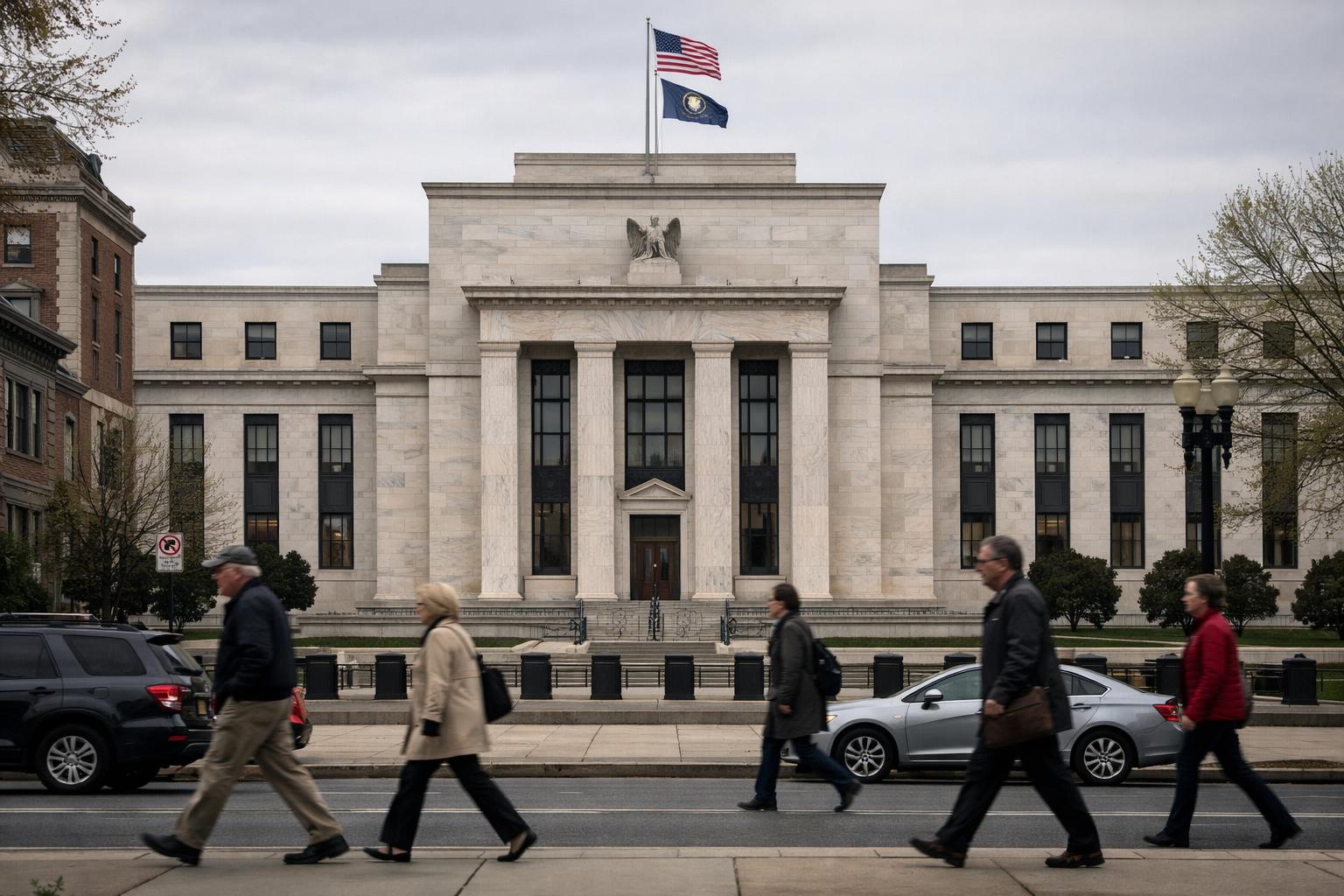
The Fed kept its benchmark rate at roughly 3.6% for a fifth straight meeting, but growing Wall Street expectations of a September increase could keep mortgage borrowing costs high for Florida buyers.
As Kevin Warsh chairs his second FOMC meeting, mortgage borrowers should brace for continued rate volatility driven by geopolitical energy risks, AI-fueled economic strength, and a Federal Reserve that increasingly favors surprises over predictability.

A surprisingly soft June CPI reading pushed inflation forecasts well below expectations, making a July 29th Federal Reserve rate hike unlikely and setting the stage for mortgage rates to ease.

April's inflation data came in slightly above forecasts, reinforcing the Federal Reserve's case to keep rates unchanged. In the near term, mortgage rates are expected to follow oil prices and progress in Middle East peace negotiations more closely than any single economic release.

Markets will parse April inflation data and any developments in Iran’s talks, keeping mortgage rates volatile. Key economic releases and Fed commentary add to the uncertainty.

Payrolls surprised on the upside while wage growth cooled. The Fed is likely to keep policy steady, leaving mortgage rates more tied to oil and geopolitical risk.