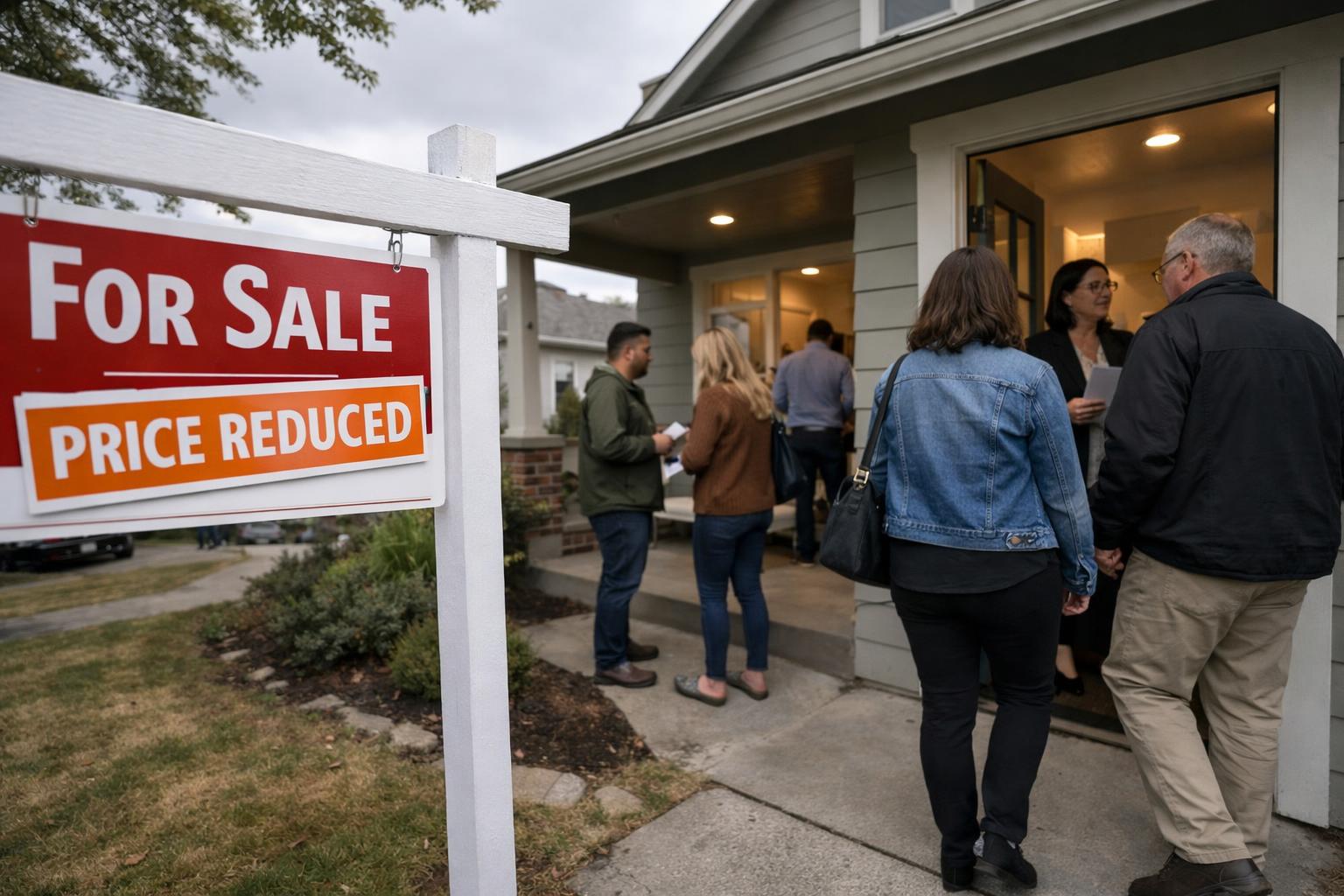



July's surprising job loss of 23,000 positions—far below the 80,000 gain economists expected—could push the Federal Reserve to hold off on rate hikes, offering modest relief to borrowers watching mortgage costs.
Source: Original report
A Surprisingly Weak Jobs Report Shifts the Rate Outlook
Mortgage rates are expected to ease slightly following a July jobs report that came in well below expectations. The economy shed 23,000 positions last month, a sharp contrast to forecasts calling for gains of around 80,000 jobs. On top of that, revised figures for May and June stripped out an additional 103,000 jobs, compounding the picture of a softening labor market.
What Drove the Miss
A single category—local government education—accounted for nearly 50,000 of the lost jobs, which is a meaningful share of the overall shortfall. Economists note this sector is historically unreliable in summer months, and the drop may reflect the lagged effects of school-year endings rather than a genuine deterioration in broader labor demand. That caveat aside, the headline number was still a significant disappointment.
The unemployment rate did tick down, moving from 4.2% to 4.1%, but the reason was discouraging rather than encouraging. Fewer people actively searched for work, shrinking the labor force rather than signaling stronger hiring. Both the share of the population employed and overall labor force participation declined during the month.
Signal or Noise? The Fed's Dilemma
Monthly employment data has been unusually volatile throughout 2026, making it difficult for policymakers to discern a clear trend. The three-month average of job creation swung from deeply negative territory last October—roughly negative 45,000 per month—to a peak of around 142,000 per month in May. July's figures drag that rolling average back down to approximately 20,000 jobs per month, well below the 100,000–150,000 range economists consider the minimum needed to keep the labor market stable.
For Fed officials who already favored a rate increase at the last meeting, this single report is unlikely to change their position. However, if the data continues to point toward weakness, other committee members may feel more justified in resisting calls for a hike. The September 16th meeting remains the focal point, and there is still time for the picture to shift—one more jobs report and two additional inflation readings are scheduled before that decision is made.
What This Means for Homebuyers and Mortgage Rates
For prospective buyers, any delay in Fed rate hikes translates into at least a short-term reprieve on mortgage costs. Rates are sensitive to expectations around Fed policy, and a weaker employment backdrop tends to push those expectations in a more dovish direction. That said, the relief may be modest and temporary if inflation data or subsequent jobs figures surprise to the upside. Buyers and borrowers should keep a close eye on both the next employment report and upcoming inflation readings as the September meeting approaches.