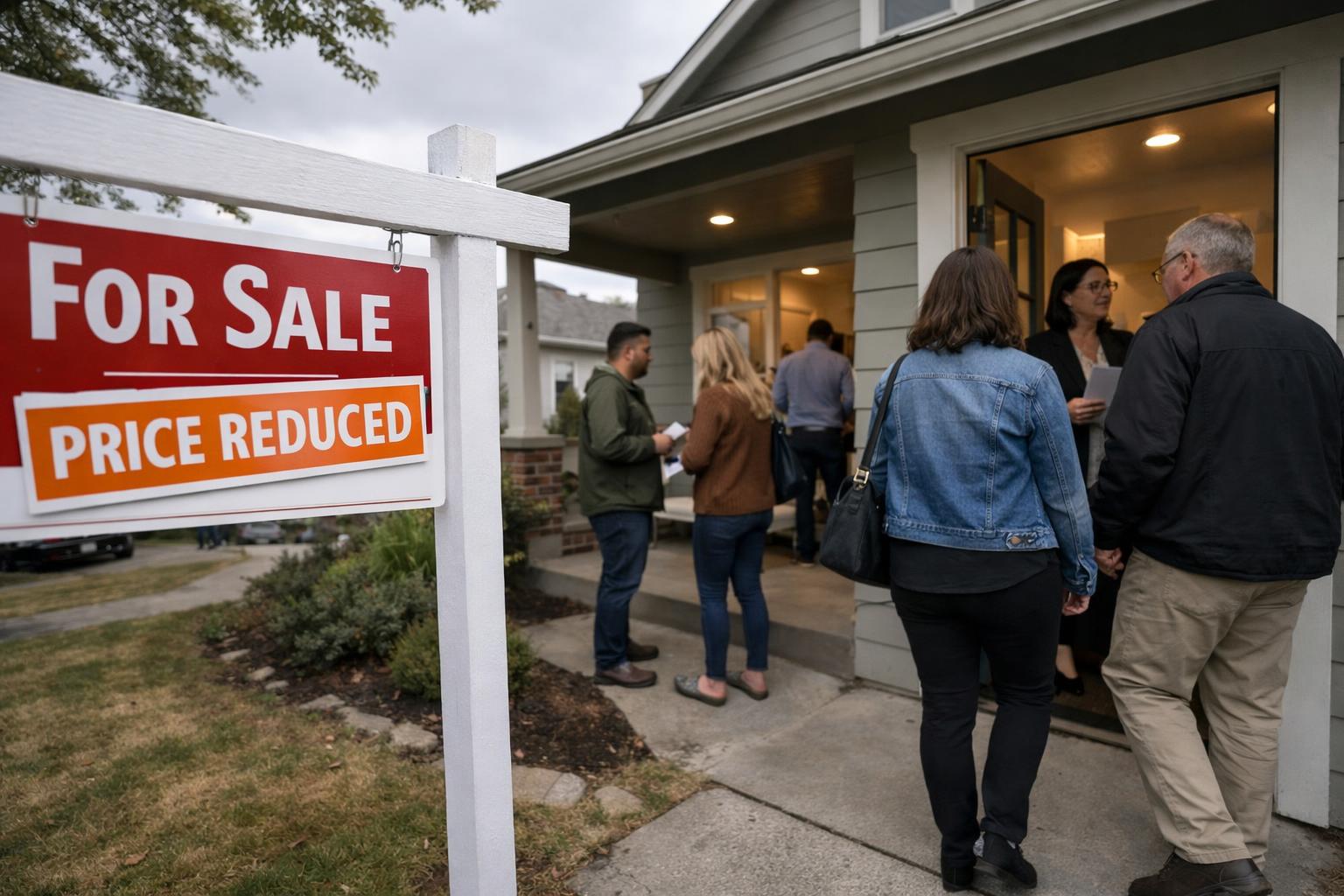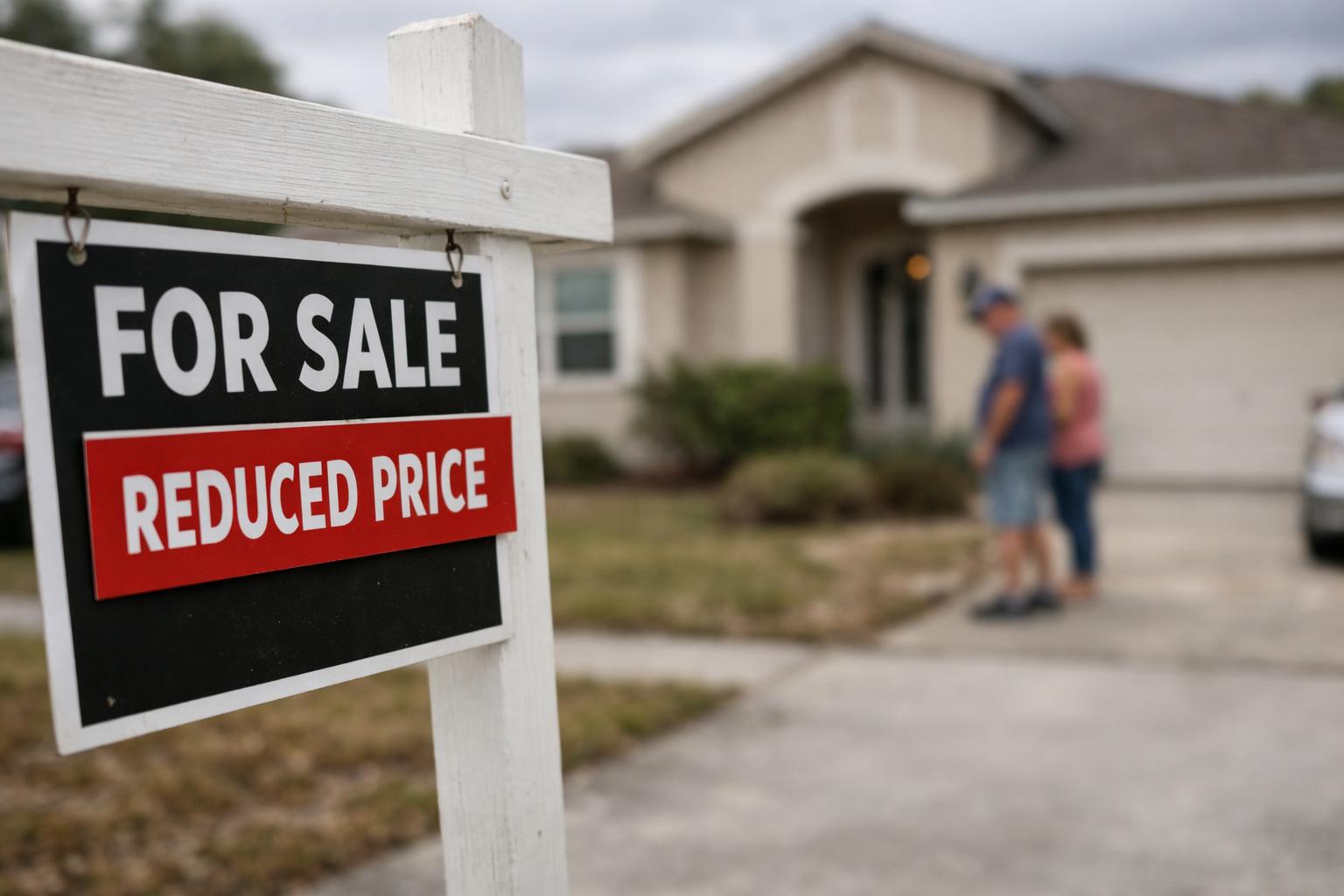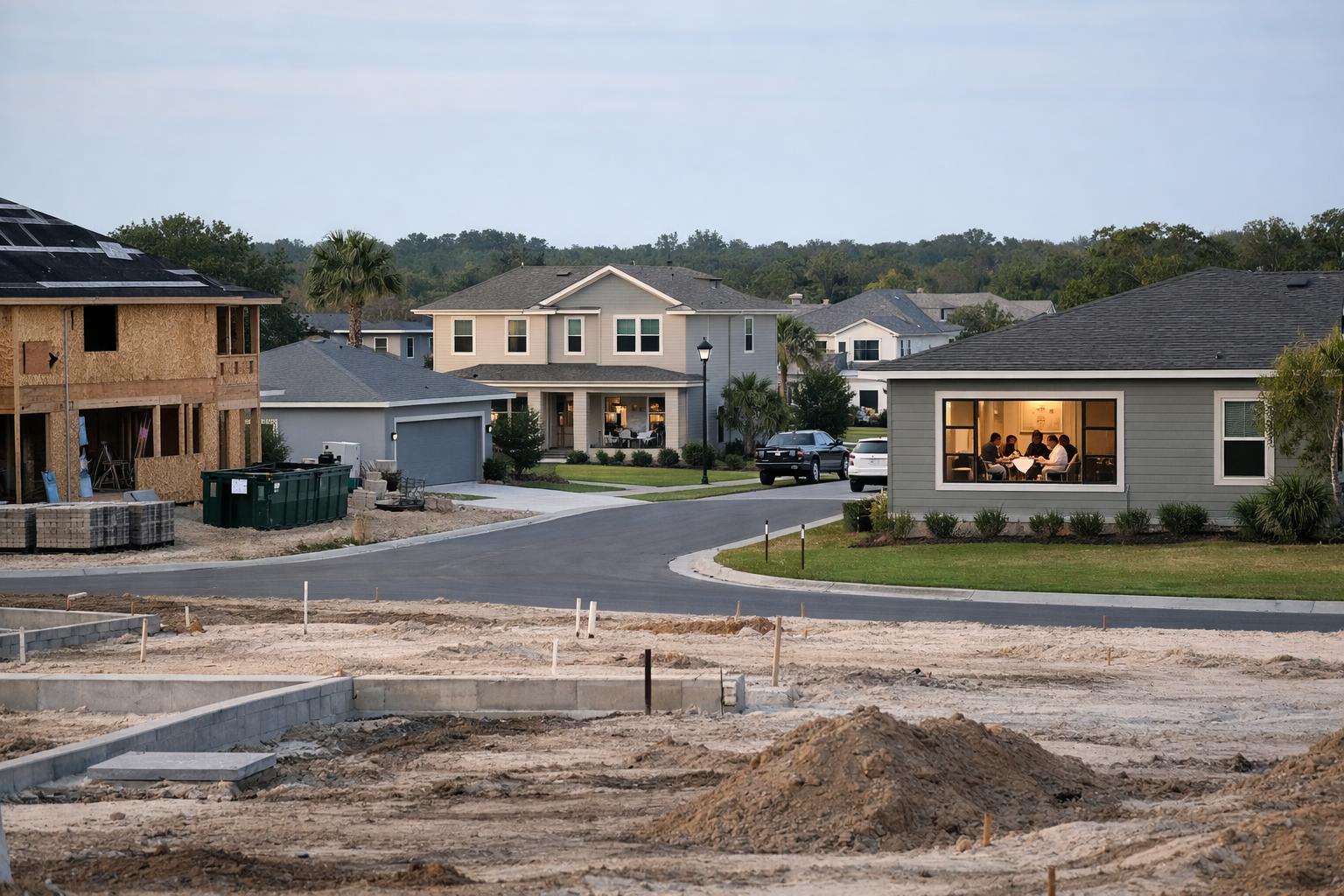



The 30-year fixed mortgage rate edged down to 6.67% this week, breaking a six-week streak of increases, though rates remain higher than a year ago as inflation and geopolitical pressures linger.
Source: Original report
A Small but Meaningful Shift
For the first time in six weeks, the average long-term U.S. mortgage rate moved lower, offering a modest reprieve for buyers who have been watching borrowing costs climb steadily. According to Freddie Mac, the benchmark 30-year fixed-rate mortgage averaged 6.67% this week, down from 6.69% the prior week. While the decline is marginal, it breaks a pattern that had been pushing buyers to the sidelines.
The 15-year fixed-rate mortgage — a popular option for homeowners looking to refinance — also slipped, falling from 6.01% to 5.96%. Despite the week-over-week improvement, both rates remain elevated compared to this point in 2025, when the 30-year averaged 6.58% and the 15-year sat at 5.71%.
Why Rates Have Been Rising
Several forces have kept mortgage rates elevated through much of 2025 and into 2026. The U.S. conflict with Iran has pushed crude oil prices higher, stoking inflation expectations among bond market investors. Long-term Treasury yields — a key benchmark lenders use when pricing home loans — surged as a result. The 10-year Treasury yield, which closely tracks mortgage rate movement, hit 4.72% at the start of this week before retreating to around 4.61% by midday Thursday.
Before the conflict began in late February, conditions looked markedly different. The 10-year Treasury was sitting near 3.97%, and 30-year mortgage rates were around 5.98%, with 15-year rates near 5.44%. The jump since then has added meaningful costs for borrowers.
What Higher Rates Mean for Buyers
Even fractional rate increases compound quickly into real dollars. Higher rates reduce how much home a buyer can afford, often pushing monthly payments up by hundreds of dollars at comparable loan amounts. This financial pressure has contributed to a slowdown in existing home sales, with U.S. transactions in July again falling short of prior-month figures.
Many prospective buyers have opted to wait, hoping that rates will trend lower before they commit to a purchase. Whether this week's dip is the beginning of a sustained decline or a temporary pause remains uncertain.
Inflation Data Offers Some Hope
Recent readings on both consumer and wholesale inflation showed some cooling last month. Prices are still rising, but at a slower pace — a development that could influence Federal Reserve decision-making. If inflation continues to moderate, the Fed may hold off on additional interest rate increases, which could in turn ease pressure on mortgage rates over time. For now, however, markets and lenders remain cautious.