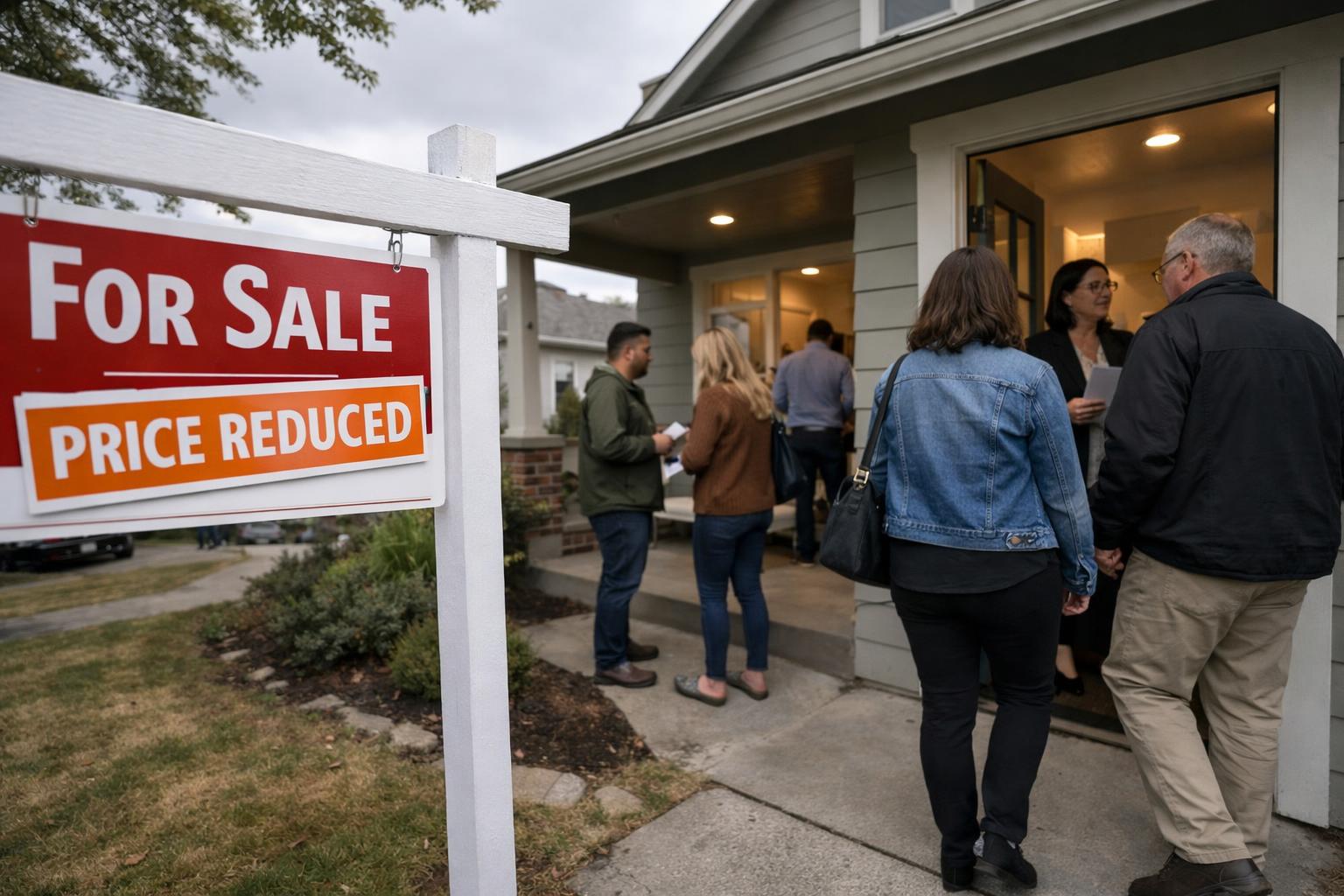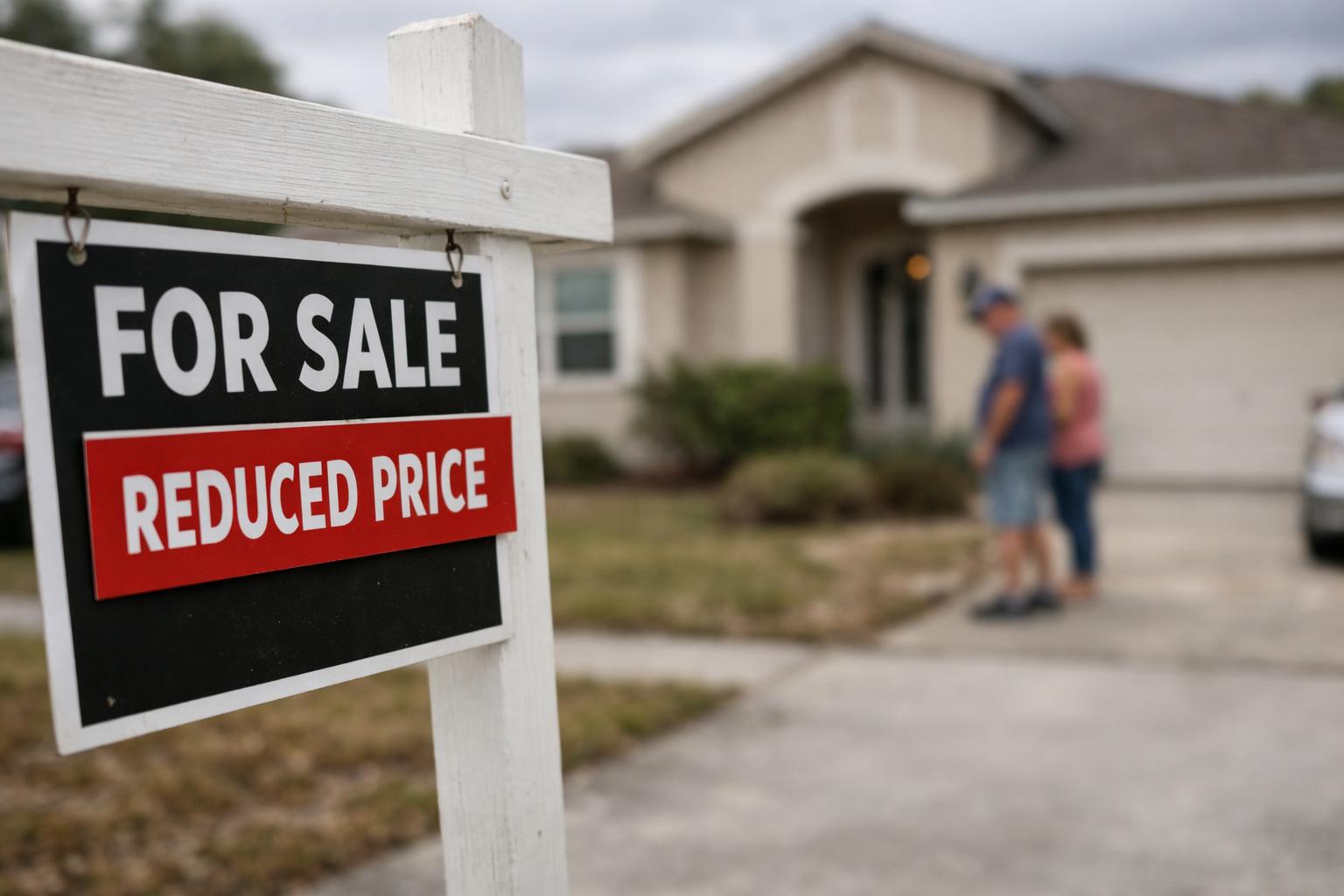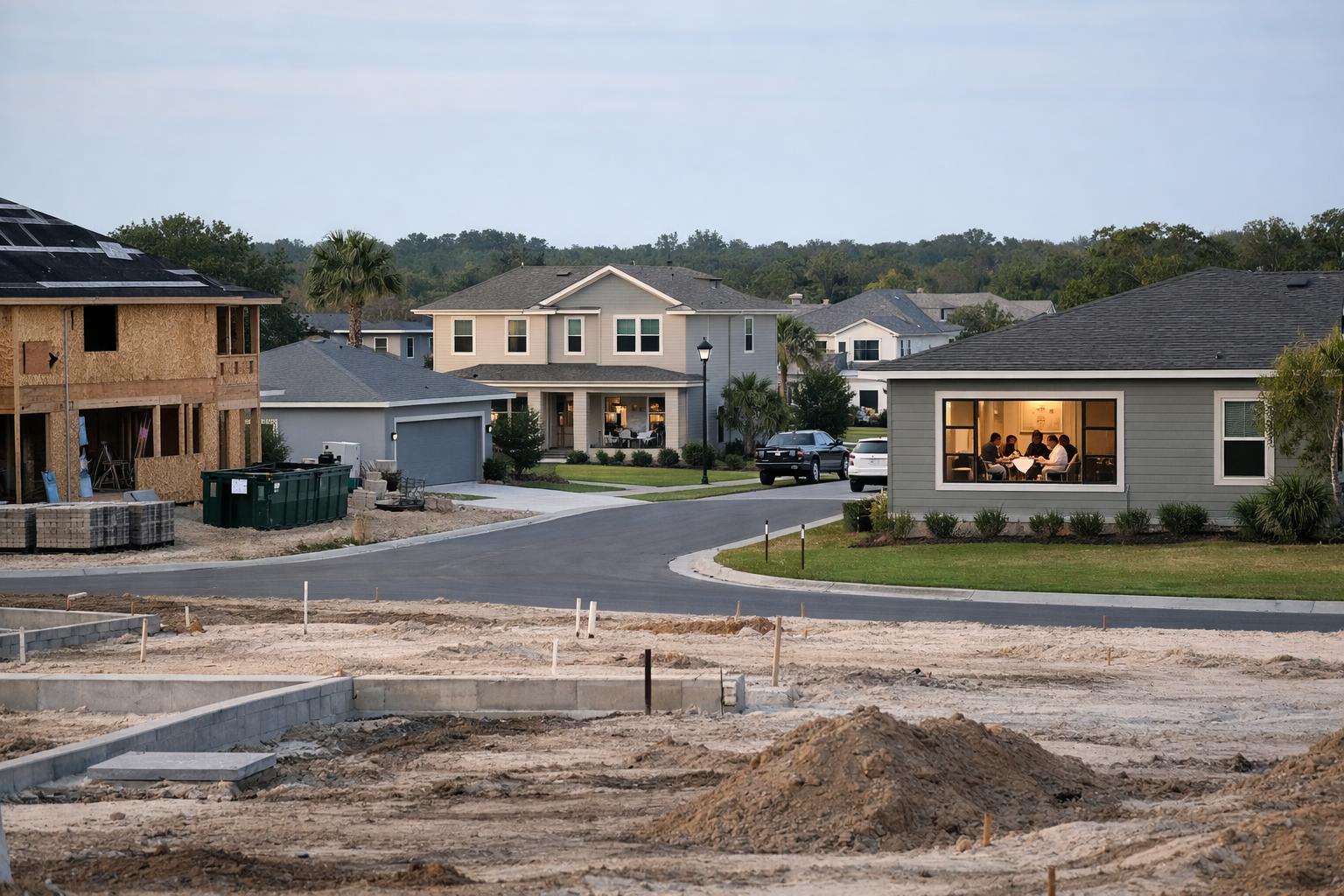



The average 30-year fixed mortgage rate dipped to 6.65% this week, continuing a short-lived retreat — yet rates remain higher than a year ago as bond market pressures and inflation concerns keep borrowing costs elevated.
Source: Original report
A Modest Pullback Amid a Broader Upward Trend
For the second consecutive week, long-term mortgage rates declined slightly, offering a small measure of relief for prospective homebuyers. According to Freddie Mac, the benchmark 30-year fixed-rate mortgage averaged 6.65% — down from 6.67% the prior week. Despite the dip, rates are still above the 6.58% average recorded one year ago, underscoring just how little breathing room borrowers have gained.
Fifteen-year fixed-rate mortgages, a popular option among homeowners looking to refinance, also ticked lower, falling from 5.96% to 5.95%. However, that figure sits well above the 5.69% average from the same period last year.
Why Rates Remain Stubbornly High
Mortgage rates don't move in isolation. They are closely tied to the 10-year Treasury yield, which lenders rely on when pricing home loans. That yield stood at approximately 4.71% as of midday Thursday — a steep climb from around 3.97% in late February, before the U.S. conflict with Iran began escalating oil prices and reigniting inflation fears.
Crude oil price increases have stoked expectations for hotter inflation, pushing bond yields higher for much of the year. While oil prices have eased somewhat recently, long-term Treasury yields have not fully retreated, keeping mortgage rates on an elevated footing.
In response to rising bond market pressure driven by large federal debt loads and inflation anxiety, the U.S. Treasury Department announced it would at least double its planned bond buyback volume over the coming months — a move that helped pull yields down from their recent multi-year highs.
Housing Market Feels the Strain
The broader U.S. housing market has been mired in a prolonged slump dating back to 2022, when the Federal Reserve began aggressively raising rates from pandemic-era lows. Sales of existing homes have remained at depressed levels, with last year's activity near a 30-year low. July figures showed further softening in previously occupied home sales, a signal that elevated borrowing costs are continuing to sideline buyers.
When mortgage rates stay high, purchasing power shrinks — and for many would-be buyers, the calculus of homeownership simply doesn't pencil out. Many shoppers are choosing to wait, contributing to sluggish transaction volumes across the country.
What to Watch Going Forward
Mortgage rate movement in the weeks ahead will likely hinge on bond market conditions, Federal Reserve policy signals, and the ongoing trajectory of inflation data. Until Treasury yields moderate sustainably, significant rate relief for homebuyers appears limited. For Florida buyers and sellers, where affordability pressures are already acute, even small shifts in borrowing costs carry meaningful consequences.