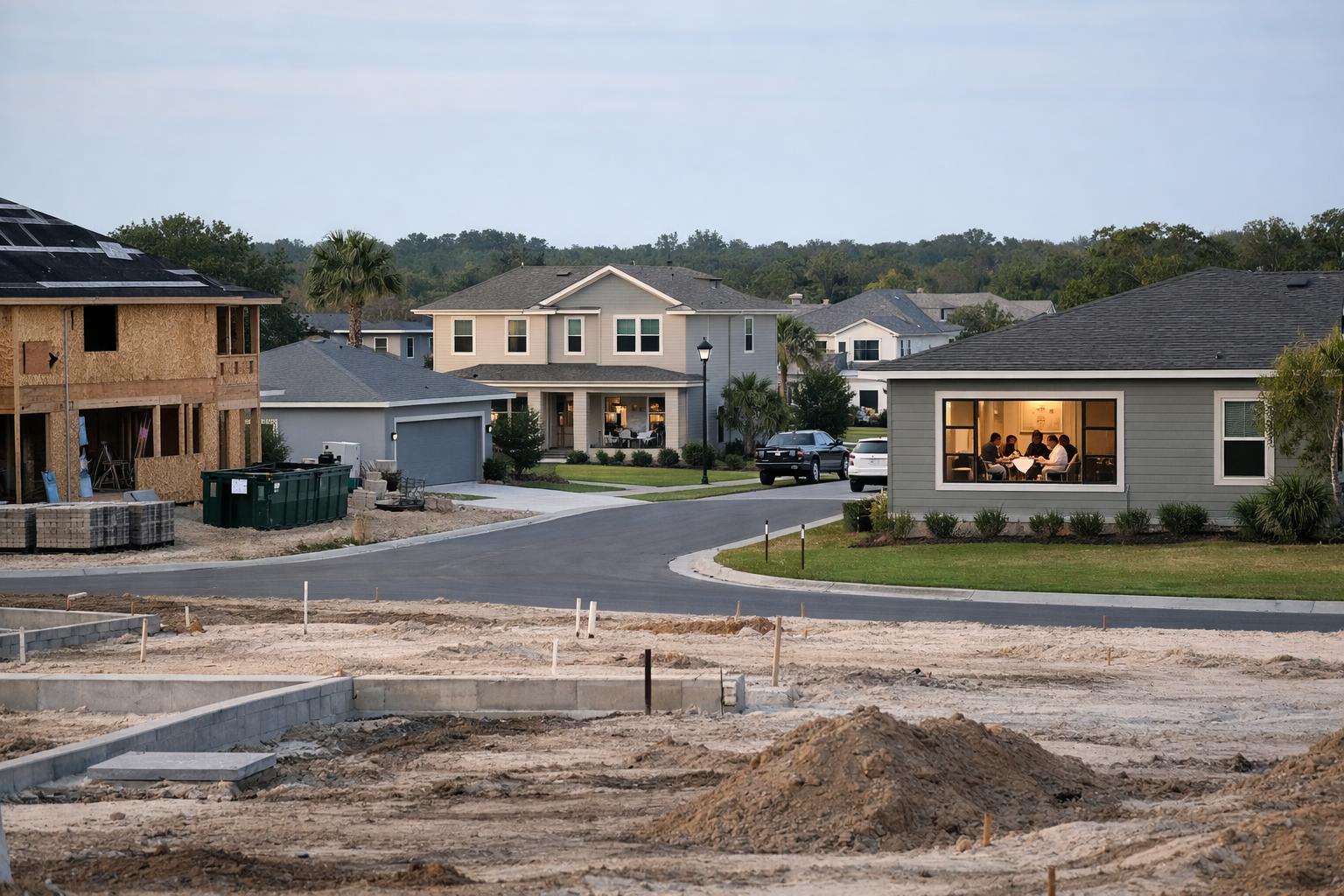



July home sales fell 4.1% month-over-month to their lowest seasonally adjusted level in nearly two years, with mortgage rates at a one-year high and record home prices squeezing buyers across the country.
Source: Original report
A Mid-Summer Slump Grips the U.S. Housing Market
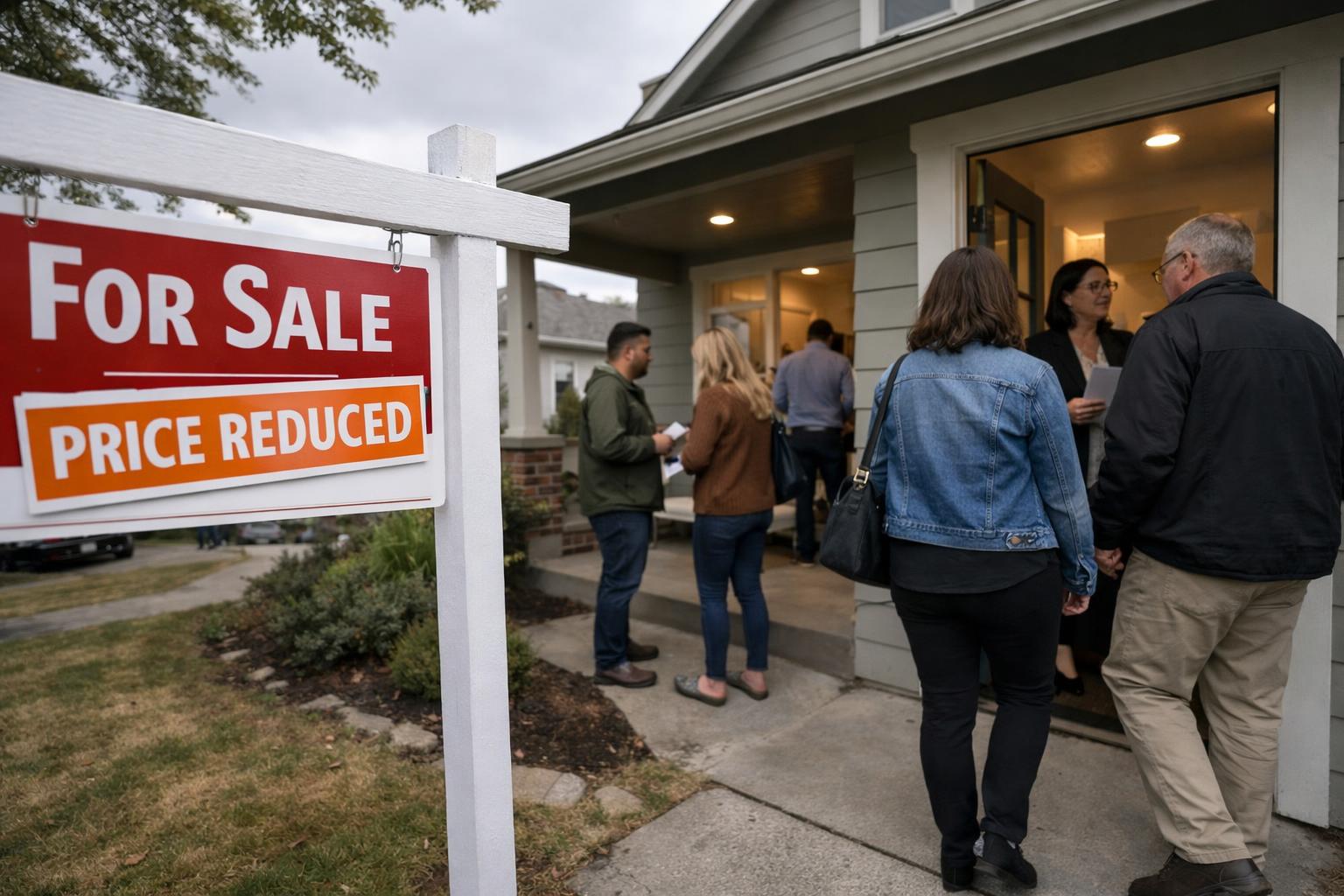
The U.S. housing market hit a rough patch in July, with closed home sales sliding 4.1% from June to reach their weakest seasonally adjusted reading in almost two years. Pending sales — a real-time gauge of buyer demand — also retreated, dropping 2.5% to a level not seen since December.
The culprits are familiar: the national median home-sale price climbed 3.2% year over year to $407,730, marking the highest July price on record, while the monthly average mortgage rate rose to 6.54%, its steepest point in a year. That combination is shutting out a growing share of prospective buyers. On top of affordability pressure, broader economic anxiety — including labor market concerns and uncertainty about the general economy — gave many fence-sitters another reason to hold off on committing to a major purchase.
Contract cancellations also ticked upward: 14% of July purchase agreements fell through, the highest share since 2023, suggesting that even buyers who enter the market are reconsidering their decisions.
Texas and Seattle Driving the Steepest Declines
Among major metro areas, Texas cities and Seattle are feeling the greatest pressure. Closed sales dropped 12.6% year over year in San Antonio, 10% in Dallas and 9.9% in Fort Worth. Detroit and Seattle rounded out the five weakest performers, each posting year-over-year declines of roughly 9%.
Pending sales tell a similar story. Seattle saw the sharpest drop among large metros, with contracts falling 15.6% annually, followed by Houston at -14.3% and Phoenix at -13.3%.
Texas markets have accumulated large inventories of available homes after years of robust homebuilding. With sellers now competing against builders offering new-construction incentives, urgency among buyers has faded.
Seattle faces a distinct set of pressures. The metro's median sale price stands at roughly $809,479 — approximately double the national figure — and the local tech sector has been rattled by layoffs at major employers. Workers at companies such as Microsoft and Amazon have seen their financial stability shaken, and even those who remain employed are reportedly more cautious about large commitments. Tech-sector mobility, which typically fuels trade-up activity, has also cooled noticeably.
Pockets of Strength: West Palm Beach, San Francisco and Milwaukee
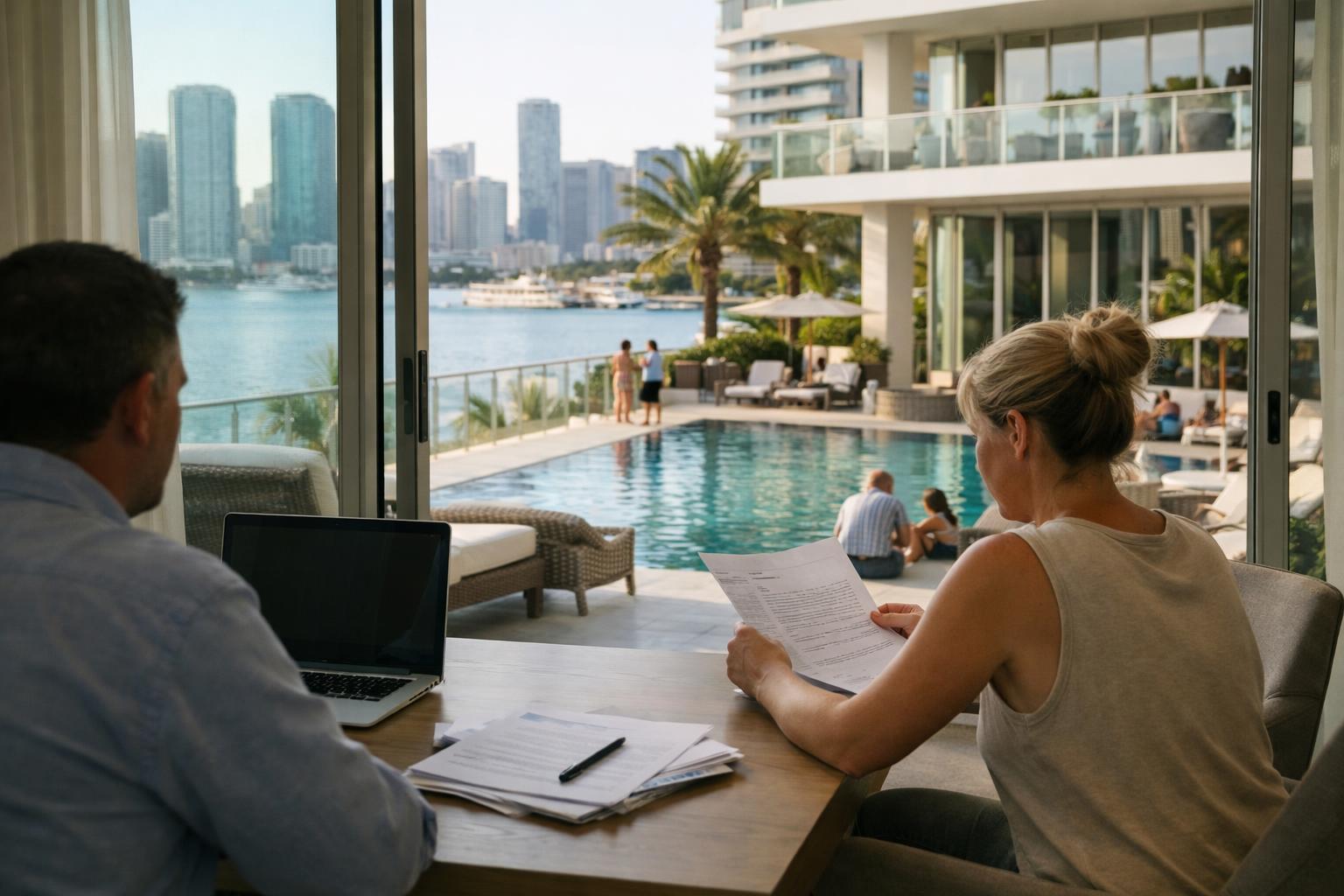
Not every market is struggling. West Palm Beach posted the fastest growth in closed sales nationally, up 17.1% year over year, with affluent buyers sustaining demand regardless of elevated costs. San Francisco followed at +8.5%, partly lifted by continued momentum from the AI industry. Milwaukee rounded out the top three with a 7% gain, supported by relative affordability — the typical home there sells for around $383,805, below the national average — and a growing supply of listings.
West Palm Beach also led on median price appreciation (+9.9% annually) and pending sales growth (+14.2%), making it one of the clearest outliers in an otherwise sluggish national picture.
New Listings Also Pull Back
Supply-side activity weakened alongside demand. New listings nationwide fell to their lowest point since October 2024, declining modestly on a month-over-month basis. Some homeowners are hesitant to list because doing so would mean surrendering a low-rate mortgage they locked in years ago. Others are simply reacting to visible buyer caution, choosing to wait for better conditions rather than risk a prolonged sale.
The total inventory of active homes for sale edged down 0.3% month over month. Because buyer activity is soft, homes that do come to market are sitting longer, which is keeping overall supply from falling dramatically.
Metro-Level Highlights: July 2026
- Biggest price gains: West Palm Beach (+9.9%), Pittsburgh (+6.6%), Newark, NJ (+6.6%)
- Biggest price declines: San Jose (-4%), Seattle (-3.6%), Dallas (-0.8%)
- Fastest-growing new listings: St. Louis (+17.8%), San Jose (+10.5%), Warren, MI (+9.6%)
- Largest new listing drops: Miami (-9.3%), Dallas (-7.8%), San Antonio (-7.6%)
- Biggest active inventory gains: Seattle (+16.7%), St. Louis (+13.9%), Cincinnati (+13.5%)
- Biggest active inventory drops: San Francisco (-18.4%), Miami (-18%), Jacksonville, FL (-16.8%)
- Fastest selling markets (days on market improvement): West Palm Beach (-16 days), Jacksonville (-9 days), Riverside, CA (-9 days)
- Slowest markets (days on market increase): Indianapolis (+7), Houston (+7), Nashville (+7)
The overall picture heading into late summer is one of a market under strain from cost pressures and economic caution, with selective pockets of resilience where affordability or affluence provides a buffer.