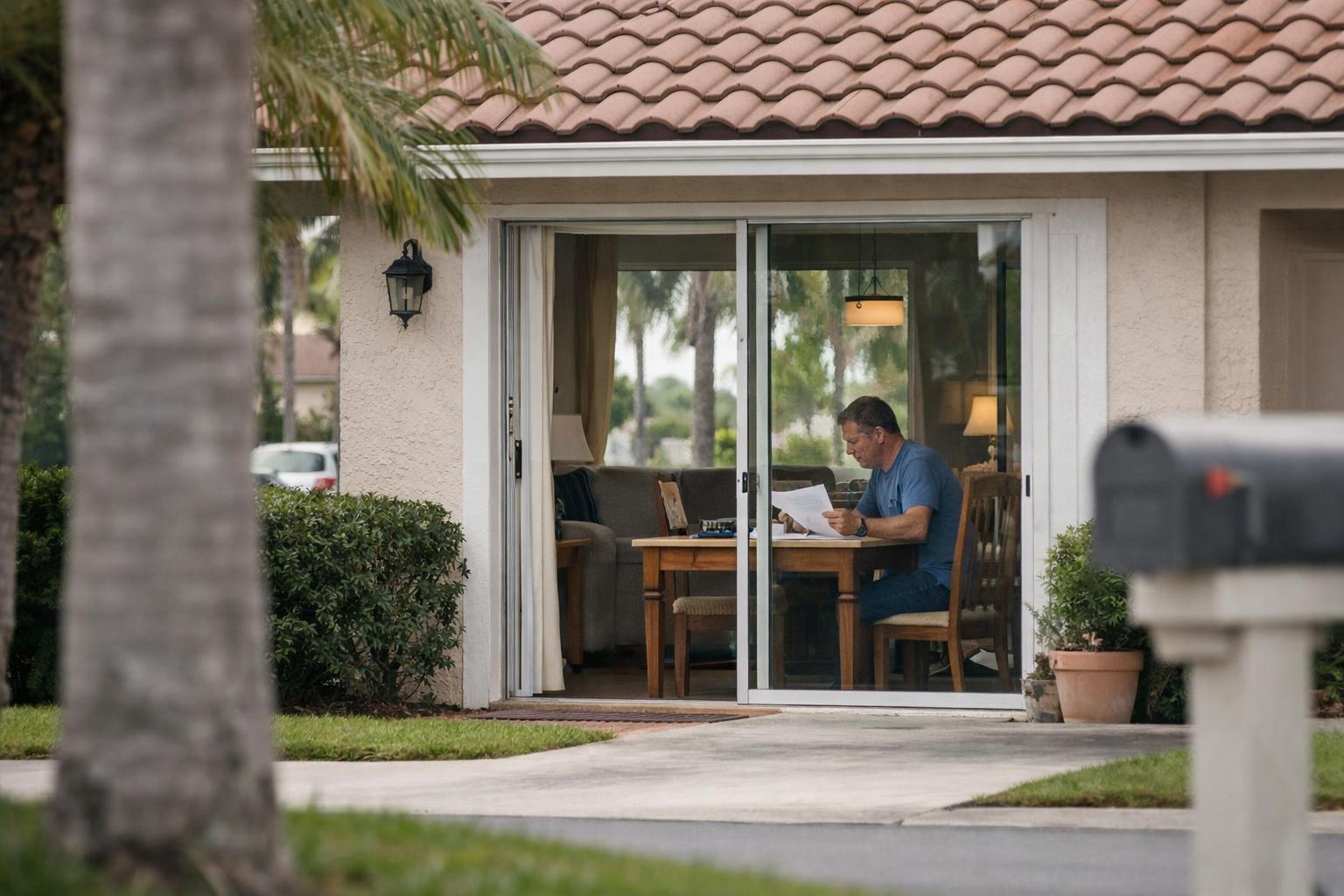



For the seventh consecutive week, mortgage rates have climbed, reaching levels not seen since 2023. Here's how this affects Florida's housing market.
Source: Original report
The average long-term mortgage rate in the U.S. has risen for the seventh straight week, reaching its highest point in nearly three years. This upward trend is putting additional pressure on an already sluggish housing market, particularly in Florida.
Rising Rates and Their Impact
The benchmark 30-year fixed-rate mortgage increased to 7.40% from 7.28% last week, according to mortgage buyer Freddie Mac. This is the highest rate since November 16, 2023, when it was at 7.44%. Similarly, the average rate for 15-year mortgages rose to 6.73% from 6.60% last week.
These rising rates have significant implications for homebuyers. Higher mortgage rates increase the cost of borrowing, which can add hundreds of dollars to monthly mortgage payments. For instance, someone obtaining a $400,000 mortgage at today's average interest rate might see their monthly payment go up by about $376 compared to what they would have paid in late February.
Factors Driving the Increase
The recent surge in mortgage rates can be attributed to several factors. Since the onset of the U.S. war with Iran in late February, bond market volatility has heightened, driven by surging oil prices and inflation concerns. Mortgage rates are shaped by inflation, Federal Reserve decisions, and investor forecasts for the economy, among other influences.
The 10-year Treasury yield, a key indicator for mortgage rates, has risen to its highest level since 2002. At midday Thursday, the yield stood at 5.29%, significantly higher than its 3.97% level before the war with Iran began.
Florida Housing Market Challenges
The Florida housing market has been struggling this year, in part due to rising mortgage rates. Higher rates limit homebuyers' purchasing power and prompt many to delay purchasing a home. The national housing market has seen a downturn since 2022, with sales of previously occupied homes stuck at a 30-year low.
In Florida, the impact of rising rates is particularly acute. The state's housing market has been characterized by high demand and limited supply, leading to competitive conditions. Rising mortgage rates exacerbate affordability concerns, making it more difficult for potential buyers to enter the market.
What to Watch Next
Moving forward, several key developments will shape the Florida housing market. The Federal Reserve's monetary policy decisions, particularly regarding interest rates, will be closely watched. Additionally, the trajectory of the 10-year Treasury yield and its impact on mortgage rates will be crucial.
Potential homebuyers in Florida should stay informed about these trends and consider their financial situation carefully. It may be beneficial to explore different mortgage options and consult with financial advisors to navigate the current market conditions effectively.