

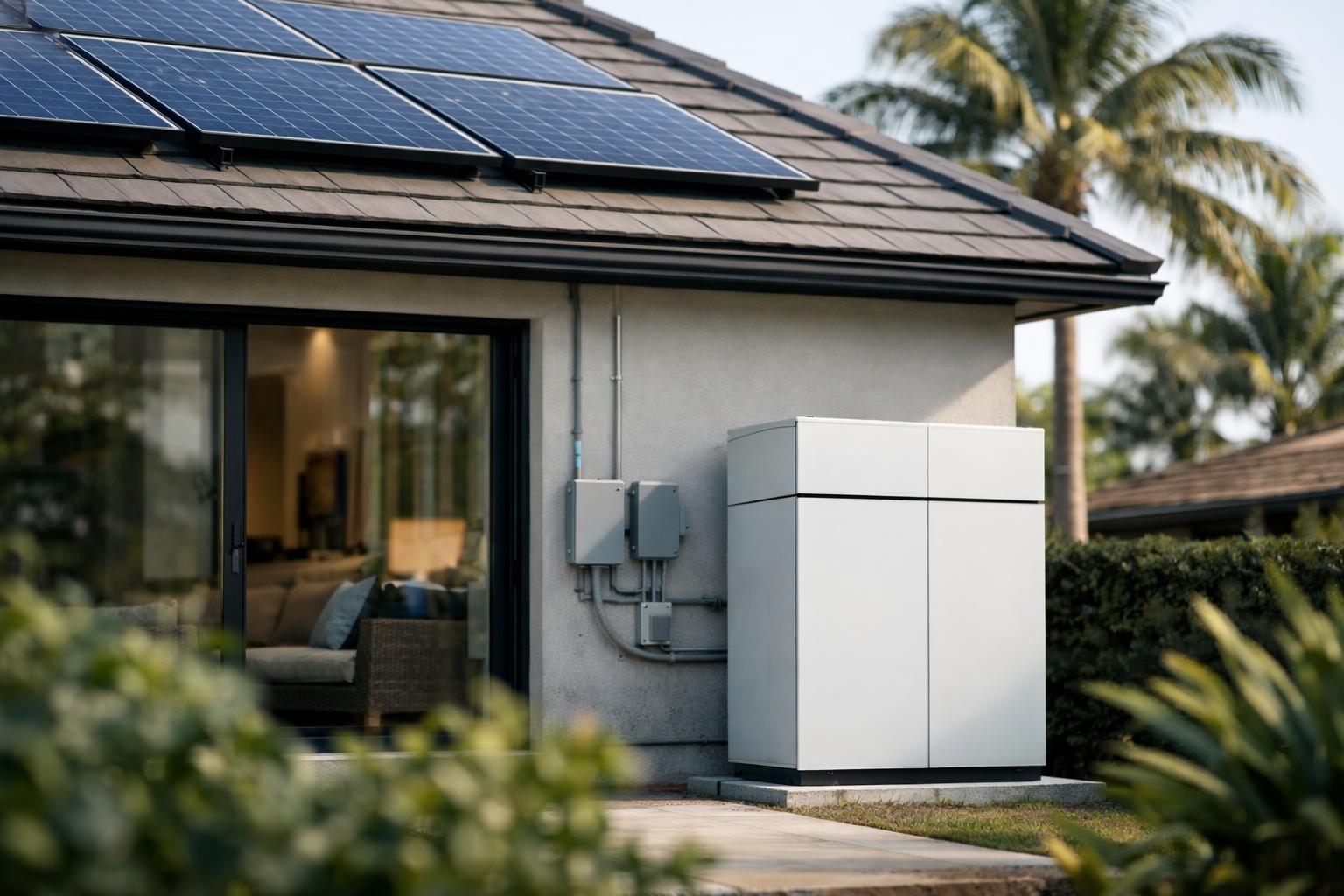
Homebuyers prioritize all-electric homes with solar and battery storage as utility concerns grow.
Source: Original report
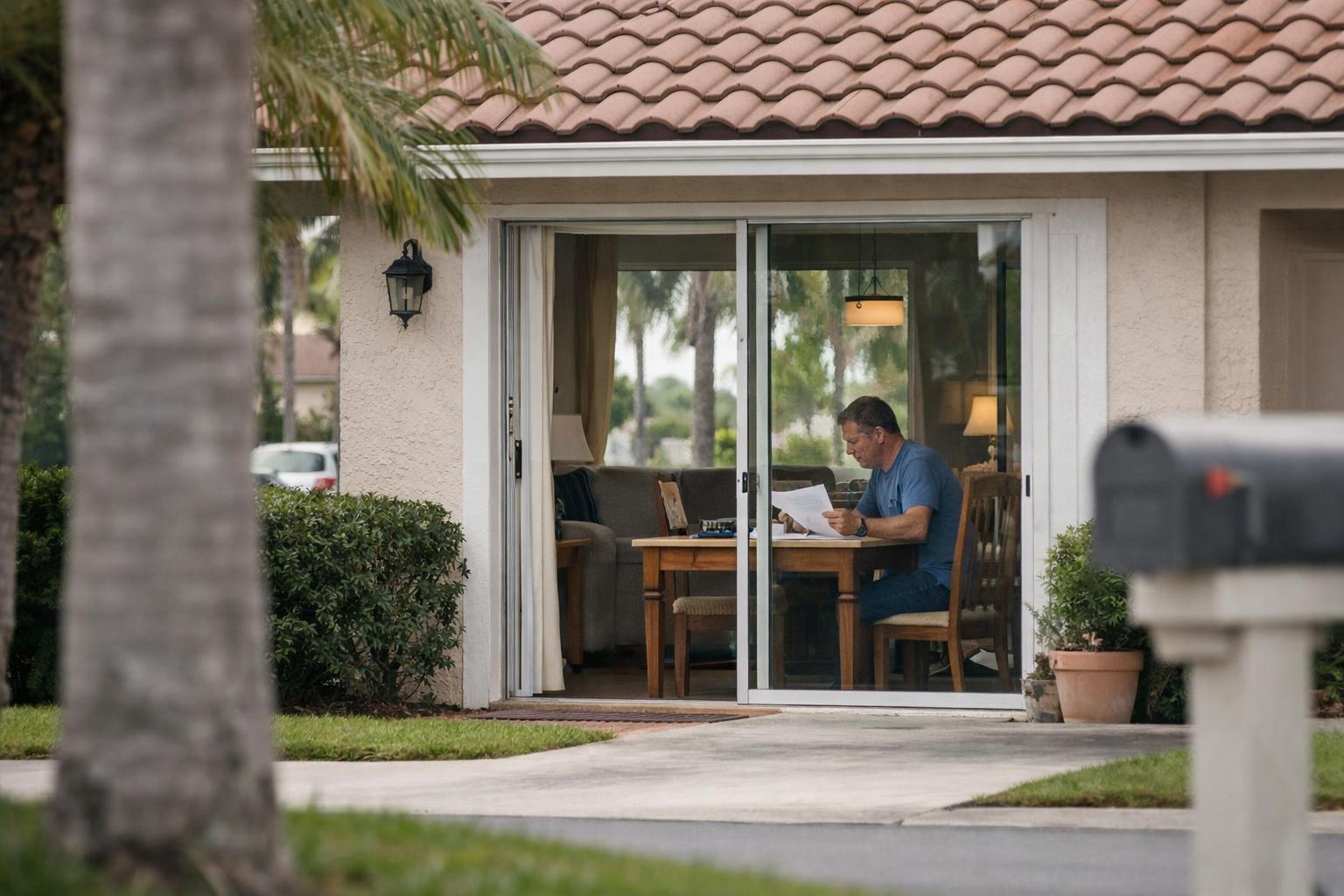
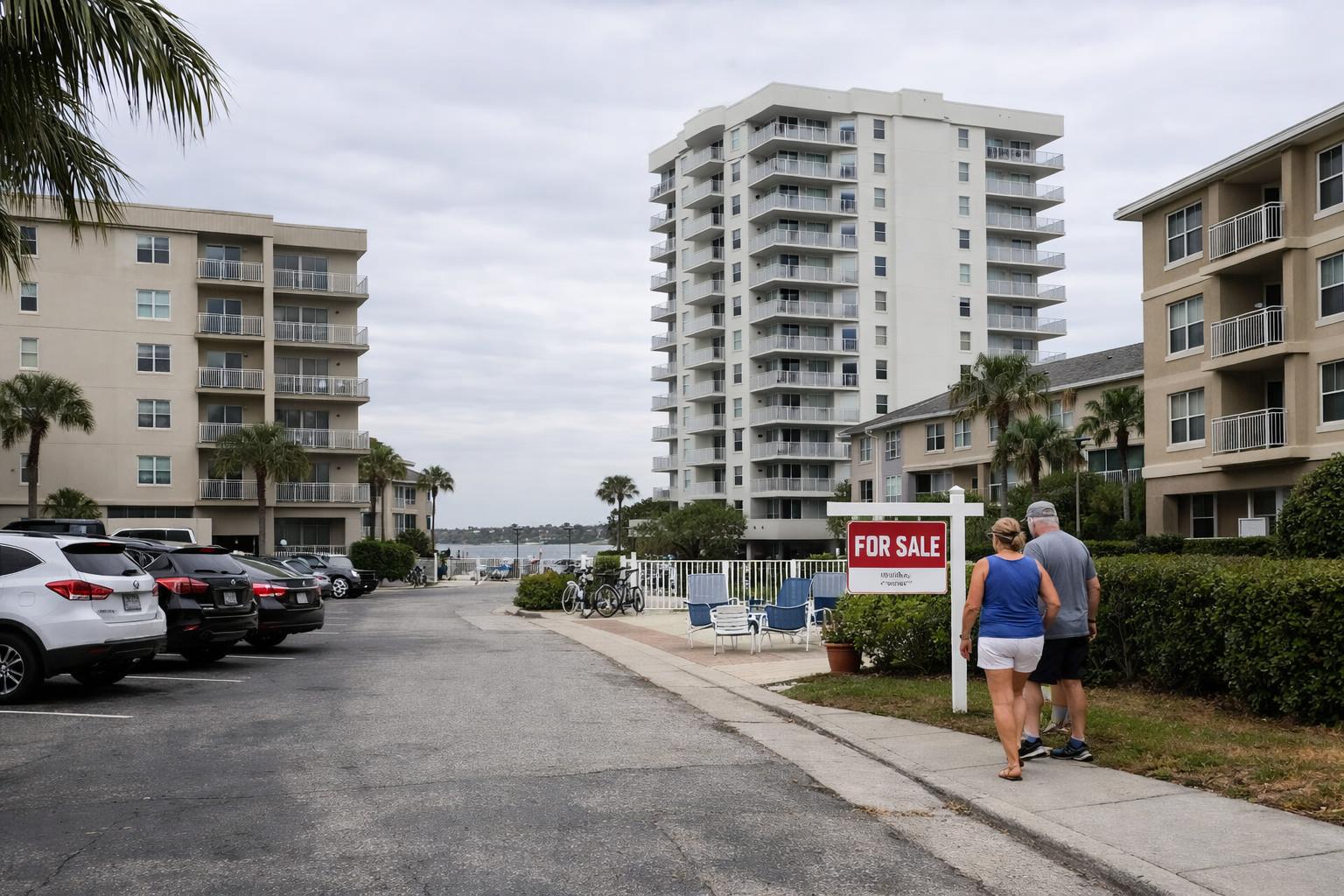
As utility costs and power outages become increasingly frequent, homebuyers in Florida are prioritizing energy-resilient homes. Recent data reveals a significant shift in buyer preferences, with a growing number seeking properties that can operate independently during grid disruptions.
According to COGNITION Smart Data, 73.4% of homebuyers would consider an all-electric home equipped with solar panels and battery storage, a substantial increase from 36.7% in 2024. Moreover, 56% of buyers now rank this feature as a top priority. The appeal of these homes extends beyond energy savings, as households seek greater self-sufficiency during severe weather events and other disruptions.
Financial Considerations and Market Response
One-third of surveyed homeowners indicated they would be willing to spend an extra 10% on an all-electric home. This trend shows how important self-sufficiency and sustainability have become in the housing market.
Builders and insurers are responding to this demand by developing stronger, more energy-independent homes. Craig Coale, publisher of Green Builder, emphasizes that home durability over time heavily depends on resilience. This trend is expected to shape the future of the housing market, particularly in regions prone to extreme weather events.
Regional Insights and Incentives
In Southwest Florida, communities like Babcock Ranch have demonstrated the benefits of resilient design. The community's ability to avoid power loss during Hurricane Ian has attracted homebuyers seeking reliable and sustainable living solutions. State and local incentives can help offset some of the installation costs, although upfront expenses remain a barrier for some buyers.
JD Power reported that 45% of utility customers nationwide experienced a power outage in the first half of 2025, with 48% of these outages attributed to extreme weather conditions. This data underscores the need for energy-resilient homes, particularly in regions vulnerable to hurricanes, ice storms, and other severe weather events.
What to Watch Next
As the demand for energy-resilient homes continues to grow, several key trends are likely to emerge. Builders and developers may focus more on incorporating solar panels, battery storage, and other energy-efficient features into new construction projects. Additionally, insurers may offer incentives or discounts for homes that demonstrate greater resilience to power outages and severe weather.
For homebuyers, the shift towards energy-resilient properties presents an opportunity to invest in long-term value and sustainability. As utility costs and outages become more frequent, the appeal of these homes is expected to grow, shaping the future of the housing market in Florida and beyond.