

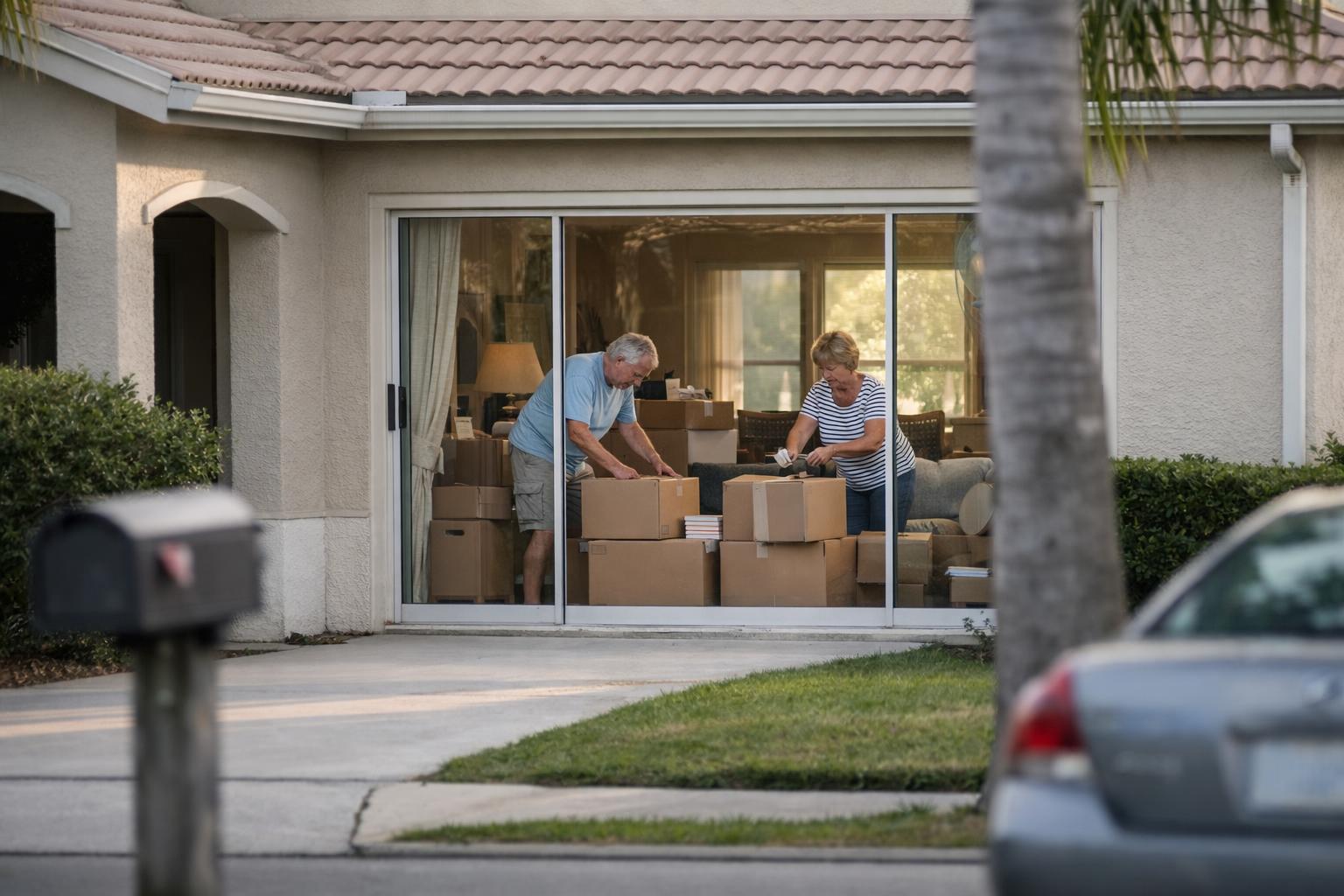
Baby boomers and Silent Generation to free up millions of homes, but most will be family-sized, offering limited help to first-time buyers.
Source: Original report
Aging Homeowners and the Future of Housing Inventory
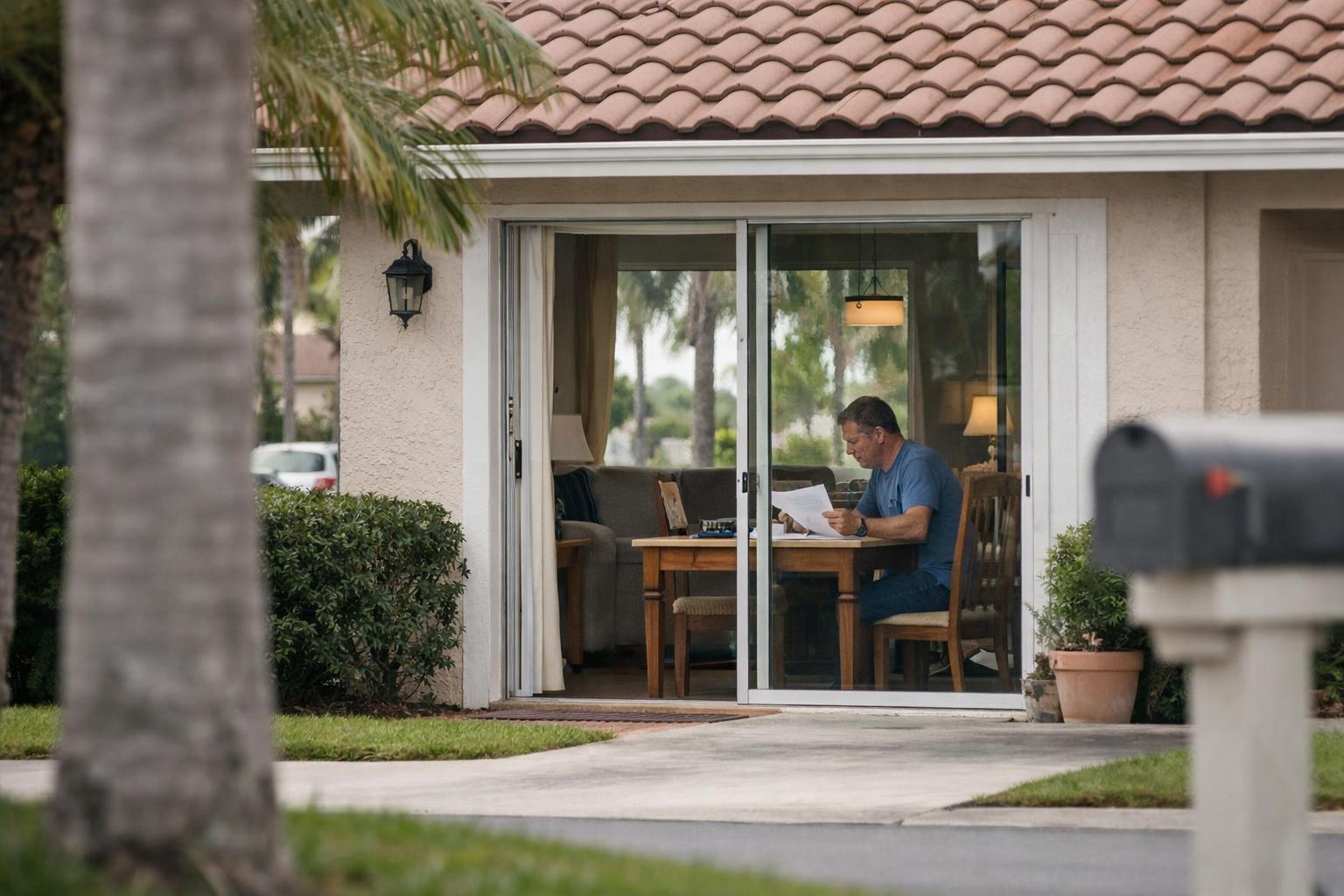
Over the next decade, the housing market is poised for a significant shift as older Americans transition out of homeownership. According to new research from Realtor.com, baby boomers and the Silent Generation are expected to release approximately 13.9 million owner-occupied homes between 2026 and 2036. This turnover represents a 34% increase compared to the previous decade.
However, the nature of these homes—primarily family-sized—means that this influx will not significantly alleviate the shortage of starter homes, which remain in high demand among first-time buyers.
The Composition of Released Homes
The majority of the homes expected to be released are larger properties. About 9.9 million, or 71%, are projected to be three- or four-bedroom family homes. An additional 3.6 million homes with five or more bedrooms are also expected to enter the market. This surge in inventory could provide more options for move-up buyers but will do little to address the shortage of affordable starter homes.
Starter homes, defined as properties with two bedrooms or fewer, will see a much smaller increase in availability. Only about 380,000 starter homes are expected to be released by 2036, averaging roughly 38,000 annually. This limited supply suggests that first-time buyers will continue to face intense competition for affordable housing.
Implications for the Housing Market
The gradual release of these homes is unlikely to create a sudden flood of listings. Instead, the market can expect a steady increase in inventory, particularly in slower-growing regions and for larger properties. This shift could help loosen other segments of the market, as current family-home owners may decide to move up, thereby increasing the supply of previously owned homes.
For real estate professionals, the transition will be a gradual process, requiring strategic planning to meet the evolving needs of buyers and sellers. Xu, a senior economist at Realtor.com, remarked that this shift is unprecedented in recent history, with its pace quickening annually. Buyers and sellers, she noted, will need to consider not just the volume of new homes, but also their types, locations, and the demand from potential purchasers.
What This Means for Buyers and Sellers
For move-up buyers, the increased availability of family-sized homes could present new opportunities. However, first-time buyers may find little relief, as the supply of starter homes remains constrained. Xu pointed out that while the incoming inventory offers some respite, it won't single-handedly resolve the housing shortage.
Sellers of larger homes may find a more favorable market as inventory increases, potentially leading to more competitive pricing and better negotiation power. Meanwhile, buyers of starter homes will need to remain vigilant and proactive in their search for affordable properties.
Looking Ahead
As the housing market prepares for this transition, it will be crucial for stakeholders to monitor trends in inventory, pricing, and demand. The gradual release of homes by older generations will shape the market in the coming years, offering both challenges and opportunities for buyers, sellers, and real estate professionals alike.