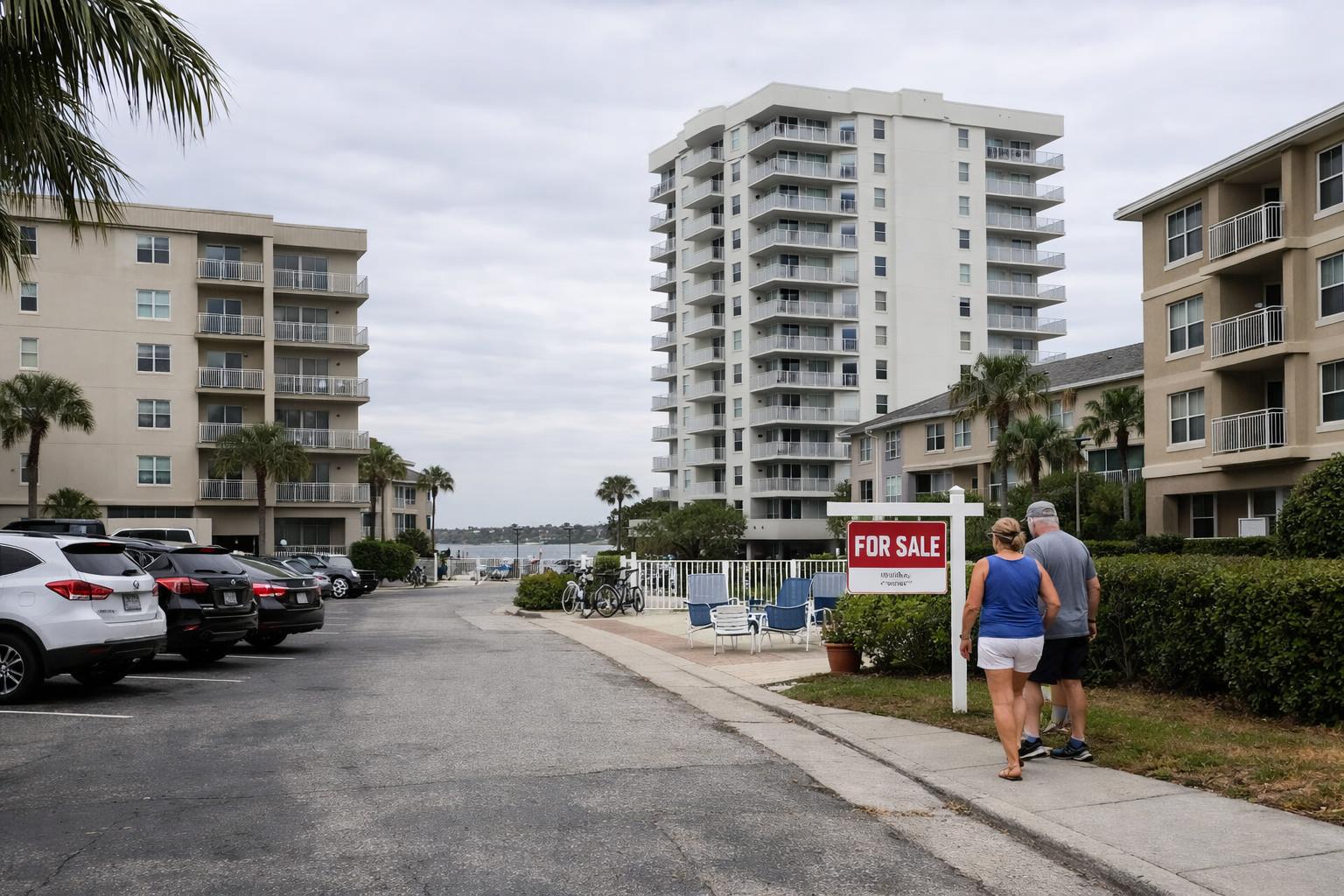



For the first time since January 2025, the average 30-year mortgage rate has surpassed 7%, marking the fifth consecutive week of increases.
Source: Original report
The average U.S. 30-year mortgage rate has climbed to 7.03%, crossing the 7% threshold for the first time since January 2025. This marks the fifth consecutive week of rate increases, presenting another affordability challenge for prospective homebuyers.
Impact on Homebuyers
According to Freddie Mac, the latest data shows that the average rate for a 30-year fixed-rate mortgage rose from 6.95% last week. A year ago, the rate was significantly lower at 6.30%. For 15-year fixed-rate mortgages, which are frequently used for refinancing, the average rate has increased to 6.42% from 6.26% last week, up from 5.49% a year ago.
Higher mortgage rates can significantly increase monthly borrowing costs, reducing homebuyers' purchasing power. This can lead prospective buyers to postpone their home purchases, further impacting the housing market.
Market Context
The housing market has faced challenges this year, largely due to rising borrowing costs. Mortgage rates have been on an upward trajectory since late February, following geopolitical tensions and economic factors.
Mortgage rates are shaped by several factors, including rising prices, the Federal Reserve's approach, and bond market investors' outlook on the economy. They usually align with the 10-year Treasury yield, which lenders use as a benchmark for setting home loan rates.
Expectations of higher inflation, driven by surging oil prices, have pushed up the 10-year Treasury yield. It rose to 5.17% in midday trading on the bond market Thursday, bringing it back to levels last seen in 2007.
What to Watch Next
Prospective homebuyers should monitor mortgage rate trends and economic indicators closely. The Federal Reserve's policy decisions and inflation data will be particularly important to watch in the coming months.
For those considering a home purchase, it may be beneficial to explore different mortgage options and consult with lenders to understand the impact of higher rates on their budgets.