


Wednesday's CPI report is shaping up to be the most consequential economic release of the week, with a potential September Fed rate hike hanging near 50/50 odds.
Source: Original report
Why This Week's Inflation Data Matters So Much for Rates
Mortgage rate watchers should pay close attention to Wednesday's Consumer Price Index release, which may be the single most important data point in determining whether the Federal Reserve raises interest rates at its September 16th meeting. With the probability of a September hike sitting near even odds, a surprise in either direction could decisively tip the scales for policymakers.
The Fed places particular weight on core inflation — a measure that strips out volatile food and energy prices. Analysts broadly expect monthly core inflation to come in near 0.2%, a reading that would likely give the Fed reason to stay put on rates. However, a stronger-than-expected print of around 0.3% monthly could shift momentum toward a hike. For prospective homebuyers and homeowners watching mortgage rates, even a modest change in rate hike expectations can move borrowing costs in the days that follow.
A Softening Labor Market Adds Complexity
The picture is further complicated by last Friday's jobs report, which came in well below expectations. Before that release, the prevailing view was that labor market weakness from late last year had recovered meaningfully through the spring following the Fed's 75 basis points in rate cuts. The July figures have now cast doubt on that interpretation, suggesting the spring rebound may have been statistical noise rather than a durable trend.
Richmond Fed President Tom Barkin characterized the labor market as neither loose nor tight — occupying a kind of uncertain middle ground. For housing, that translates into modest good news in the sense that outright rate hikes become slightly less likely. But a weakening jobs environment also tends to reduce housing demand over time, independent of where mortgage rates land.
Consumer Spending and Sentiment Round Out the Week
Friday will bring two additional reads on the health of the economy: retail sales and consumer sentiment. Sentiment has been running near historic lows for several months, yet spending has remained resilient. Whether that disconnect continues — or begins to close — could offer further clues about the direction of inflation and, by extension, where mortgage rates may head through the fall.
What This Means for the Housing Market
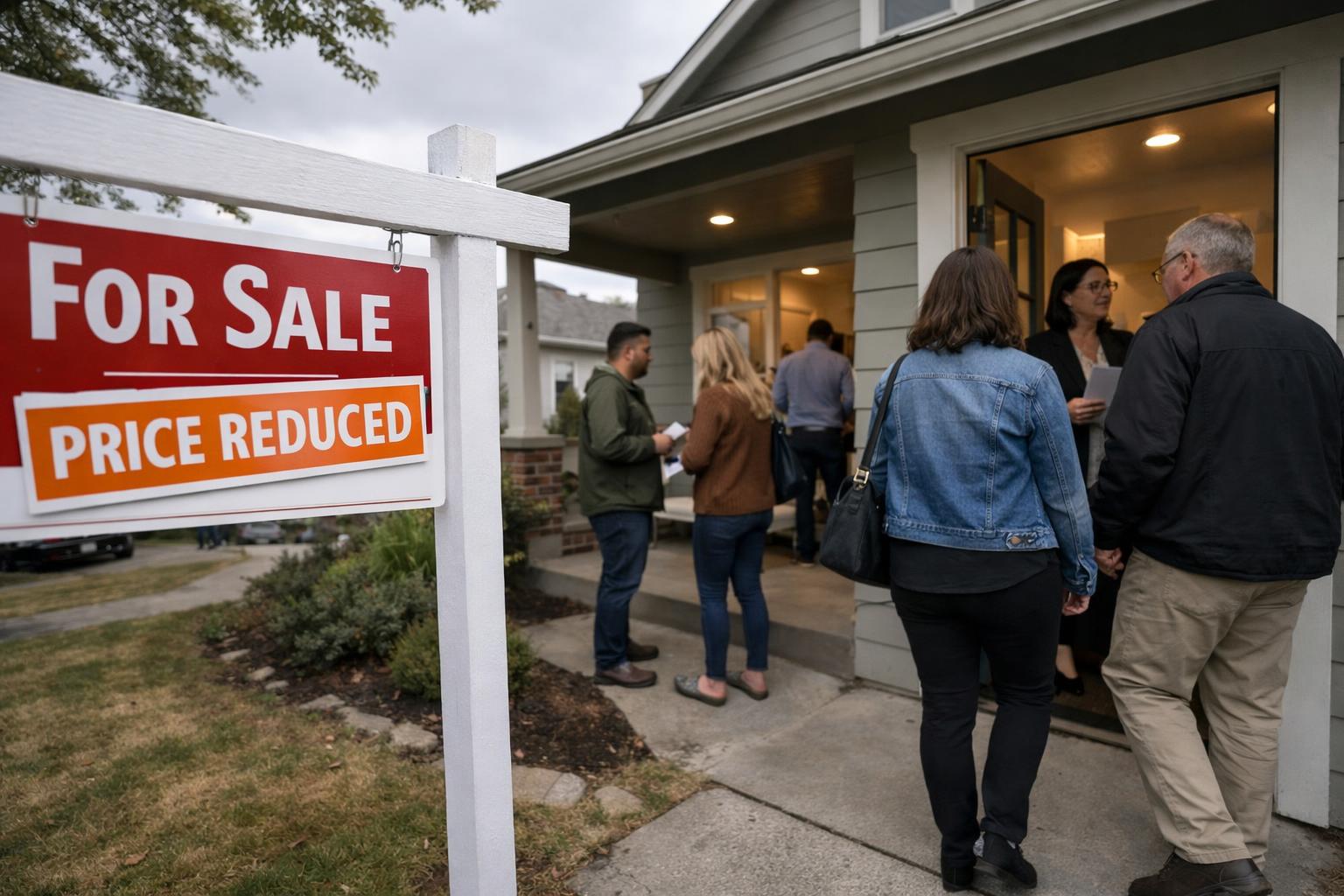
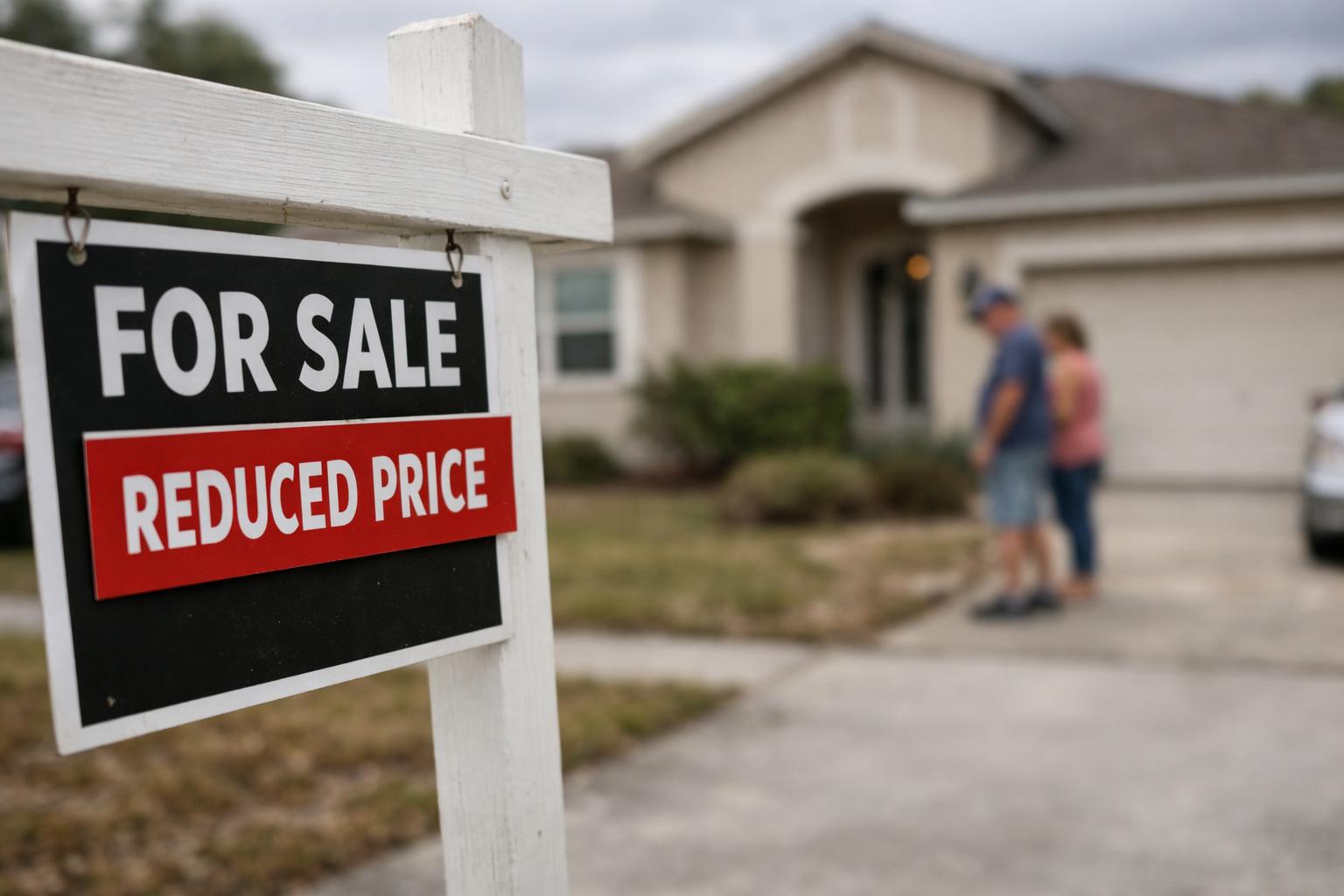
Elevated mortgage rates have already weighed on home-buying activity, with pending home sales recently falling to a five-month low. The income required to afford a typical American home remains near a record high of roughly $110,000 annually, keeping affordability stretched for a large share of potential buyers. Any downward movement in rates following a benign inflation reading could offer a brief window of relief, though structural affordability constraints are unlikely to resolve quickly.
For now, the housing market — and anyone locked into a rate-watch — will need to wait until Wednesday morning to get a clearer signal.