


Redfin data shows the seller-to-buyer imbalance shrank for the fourth consecutive month in April, as improved job-market sentiment pulled more shoppers back into the housing market.
Source: Original report
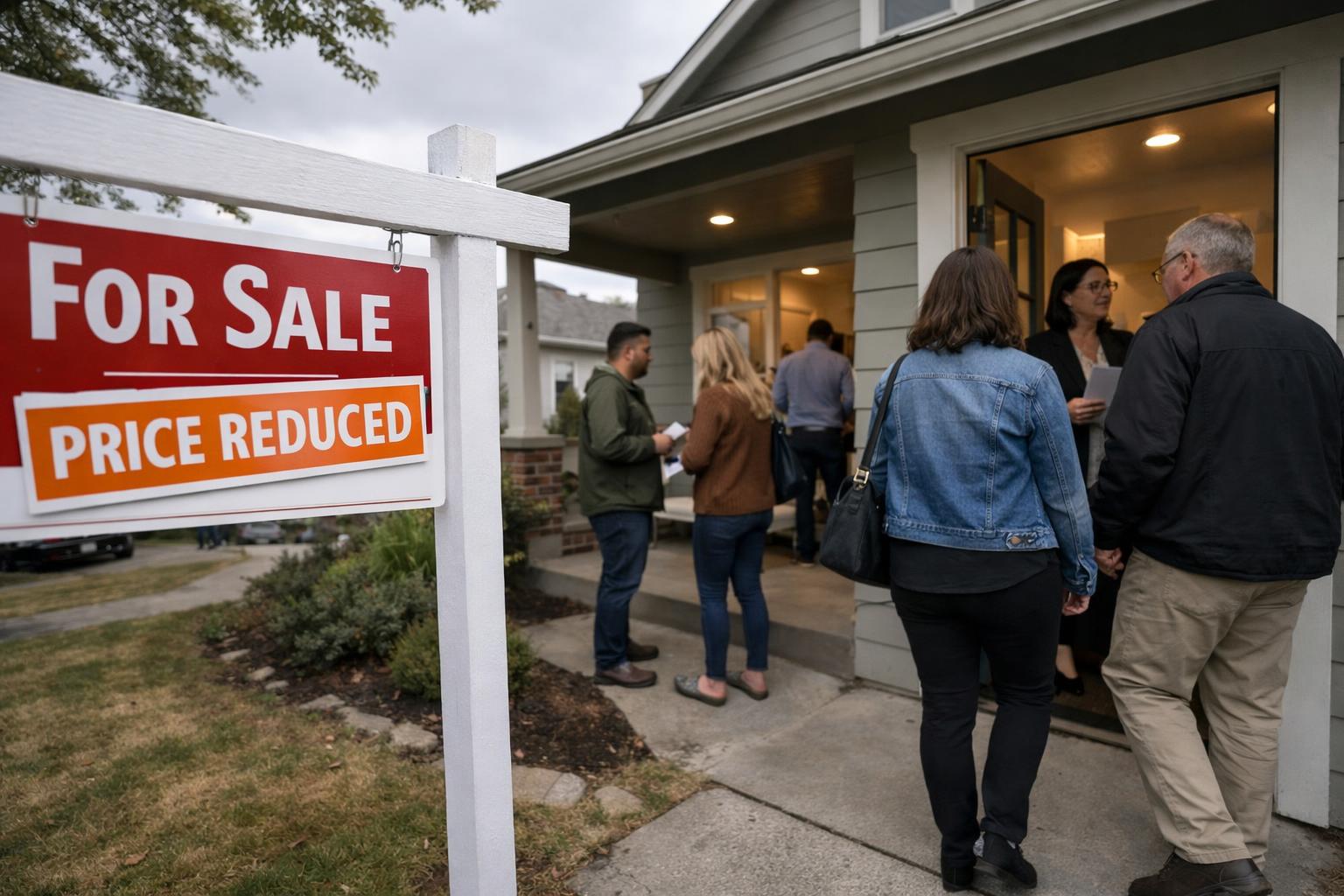
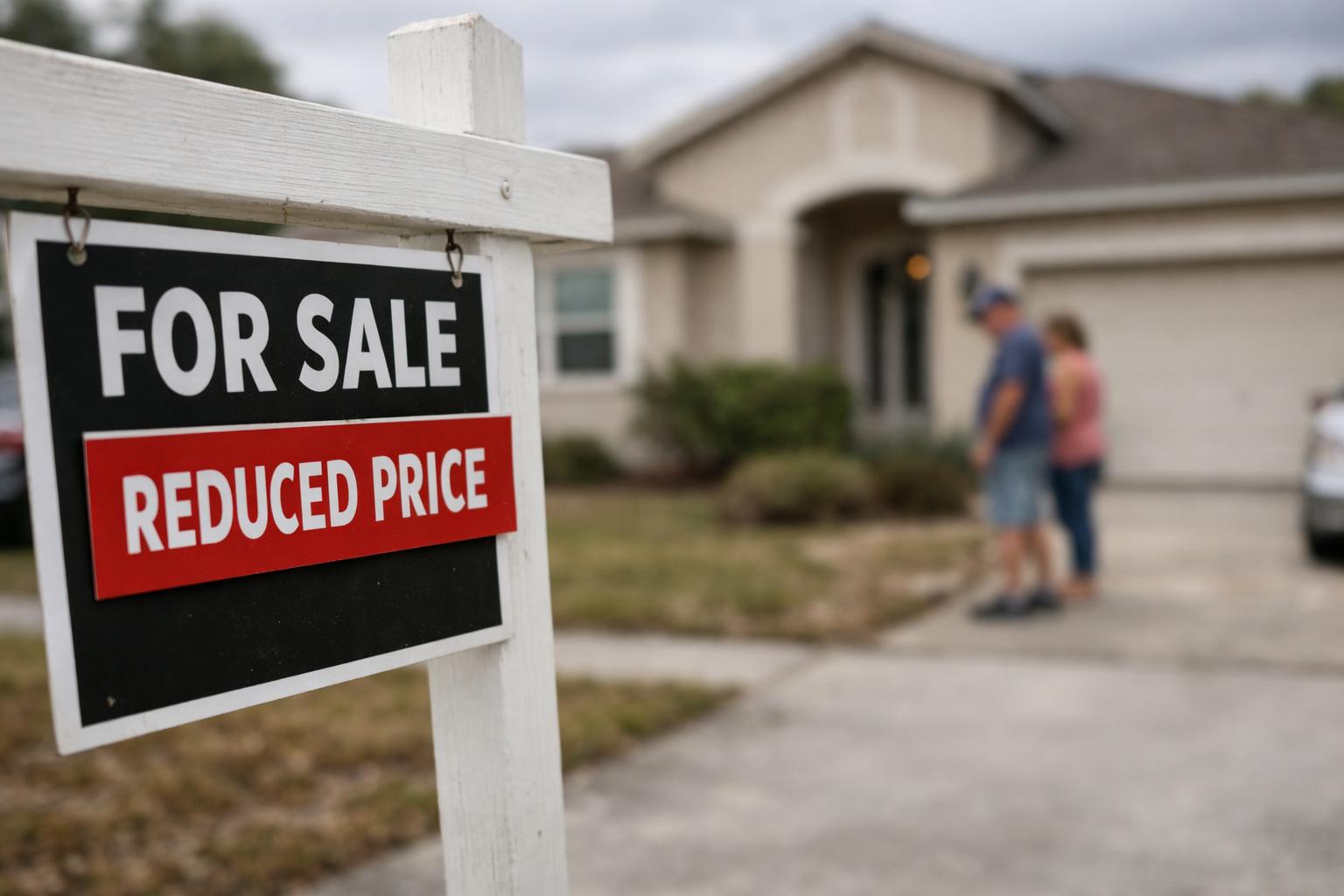
The U.S. housing market remains firmly in buyer's-market territory, but the gap between sellers and buyers narrowed again in April—a sign that the balance of negotiating power may have already passed its widest point, according to new data from Redfin.
The Numbers Behind the Shift
Redfin estimated roughly 46.5% more active sellers than buyers nationwide in April, compared with 47.5% the previous month and a peak of nearly 49% in December 2025. Under Redfin's framework, any market where sellers outnumber buyers by more than 10% qualifies as a buyer's market—a condition that currently covers 34 of the 49 major metro areas the brokerage tracks.
April buyer volume reached an estimated 1 million, a 2% month-over-month gain that marks the largest single-month increase in over a year. Seller activity also climbed, rising about 1.3% to roughly 1.5 million participants—its own 12-month high—but buyer growth outpaced it, which is precisely why the spread tightened.
Redfin Senior Economist Asad Khan attributed the uptick in demand to an improving employment picture and reduced recession anxiety. He noted that if buyer counts keep rising, more homeowners may feel confident enough to list, which could help gradually thaw what has been a sluggish market.
Where Buyer Power Is Fading Fastest
Among the 19 major metros where buyer's-market conditions weakened in April, West Palm Beach, FL posted the sharpest change: the seller-to-buyer surplus dropped by roughly 10 percentage points from the prior month. Tampa, FL and Indianapolis followed, each trimming the gap by more than seven points. Anaheim, CA and Austin, TX also made the list of metros trending toward greater balance.
Redfin separately noted that West Palm Beach's luxury segment has drawn a notable wave of relocating buyers from other states, which may be amplifying that metro's demand-side recovery.
Seven Metro Areas Now Favor Sellers
At the other end of the spectrum, seven of the 49 tracked metros are now classified as seller's markets—the highest count in nine months, up from five in March. Nassau County, NY leads the group, with buyers outnumbering sellers by an estimated 28%. Newark, NJ and Montgomery County, PA followed closely, both showing buyer surpluses above 24%. Providence, RI, San Francisco and Milwaukee also registered seller's-market conditions.
Sun Belt Cities Remain the Most Lopsided
The deepest buyer's markets continue to cluster across the Sun Belt. Miami topped the list with sellers outnumbering buyers by an estimated 137%, followed by Nashville at 125%, San Antonio at 112%, Houston at 108% and Las Vegas at 103%.
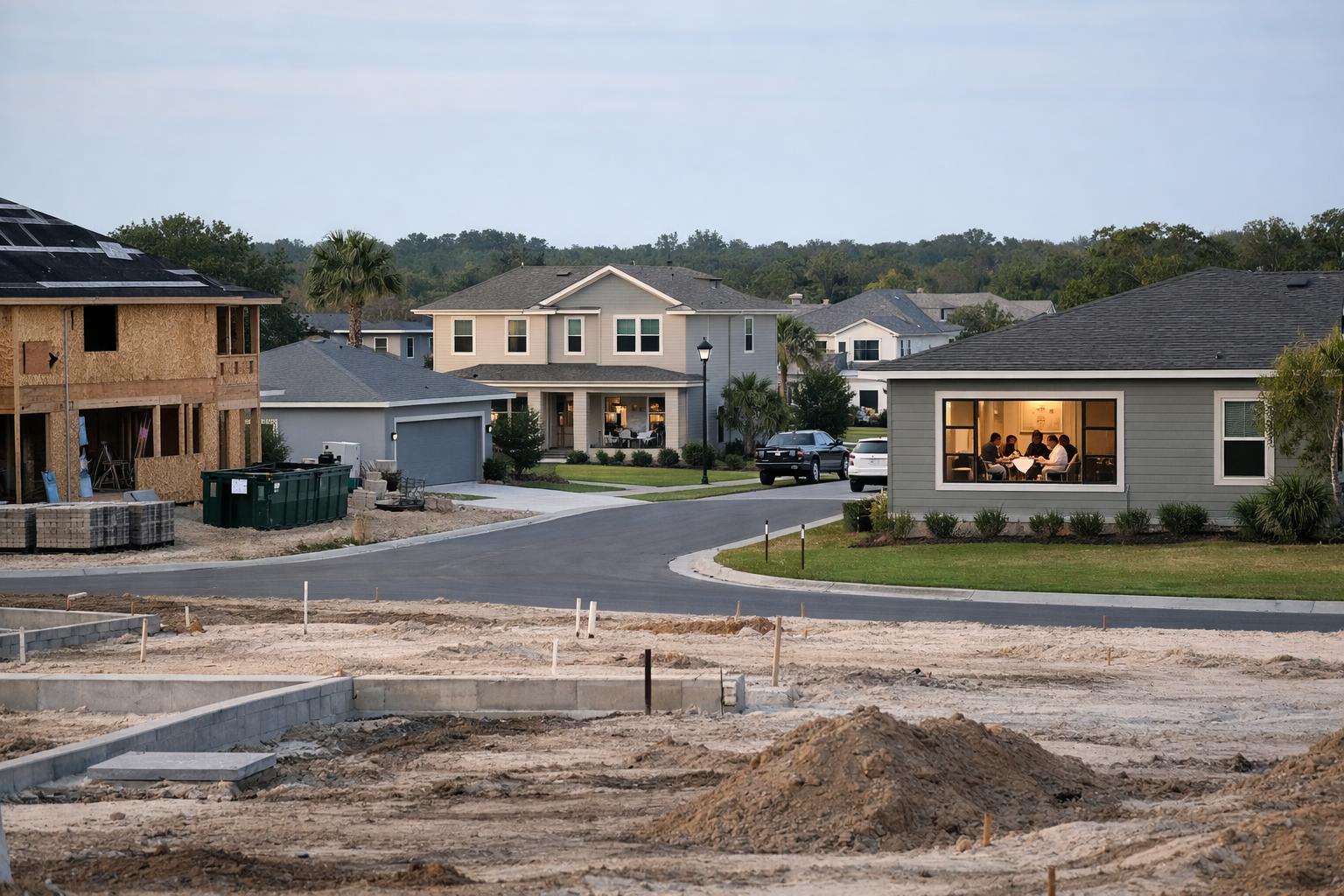
Several structural forces are driving these imbalances. During the pandemic era, strong in-migration encouraged builders in Florida and Texas to expand supply aggressively; that inventory now exceeds current demand. In Florida specifically, escalating homeowners-insurance costs, rising condo association fees and heightened hurricane risk have led some residents to sell and leave the state, further swelling supply. Miami's outsized condo inventory compounds that dynamic.
What This Means for Buyers and Sellers
Even as conditions gradually moderate, buyers in most major markets still hold meaningful leverage—more choices, longer time to negotiate and greater room to request concessions. That said, the window of peak buyer power appears to be closing, at least incrementally. If economic conditions stabilize further and more buyers re-engage, sellers in today's most lopsided markets could find the competitive landscape shifting beneath them over the coming months.
Data in this report reflects Redfin's updated methodology, which now aggregates figures directly across more than 3,000 counties rather than scaling from a sample. National buyer and seller estimates are proportionally lower under this approach, but market ratios and trends remain consistent with prior methodology.