

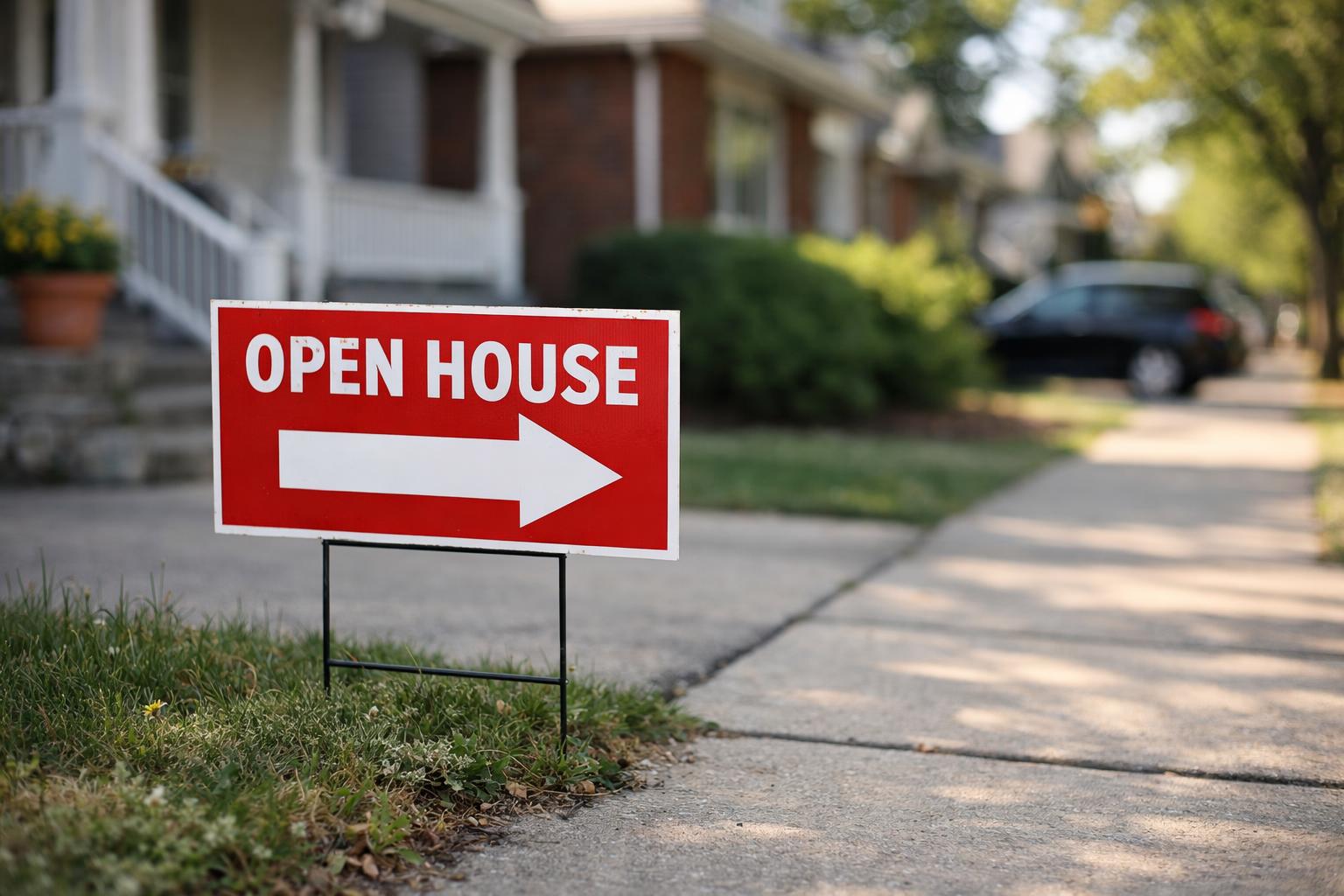
The median U.S. home sale price climbed 2.4% year over year in April 2026, the sharpest increase since March 2025, as pending sales hit the highest level since 2023 and inventory expanded to its widest point since 2020.
Source: Original report
Prices and Demand Accelerate Together in April
The U.S. housing market showed renewed momentum in April 2026, with the median home sale price rising 2.4% compared to the same month a year earlier, according to new data from Redfin. That represents the strongest year-over-year price growth recorded since March 2025 and signals that buyers, many of whom had sat on the sidelines through a quieter January and February, returned in force during the spring season.
A key driver of renewed buyer confidence appears to be labor market stability. The April jobs report reflected stronger hiring than analysts had anticipated, easing concerns about a potential recession and giving prospective buyers more confidence to commit to purchases. Pending home sales responded sharply, rising 2% month over month to reach the highest level since February 2023—the largest single-month jump since March 2025.
Existing home sales also climbed, reaching a seasonally adjusted annual rate of 4.33 million, likewise the strongest pace since February 2023.
Sellers Return as Inventory Expands
The supply side of the market saw notable movement as well. Active listings rose 1.3% from March, reaching the highest level since March 2020. That monthly gain was the largest in roughly a year. New listings increased 2.7% month over month, hitting the highest point since July 2022.
A Redfin agent working across Maryland and Pennsylvania noted that buyer demand surged visibly toward the end of March, describing it as the first genuine spring market frenzy felt in the post-pandemic era. At the same time, the agent cautioned that sellers who price aggressively above market value are finding their homes sitting longer, while competitively priced properties are moving quickly and attracting multiple offers.
Homes Are Selling Faster—But Still Slower Than Pre-Pandemic
The typical home that went under contract in April did so in 49 days, one day faster than in March. This was the second consecutive month in which selling pace improved on a monthly basis—something not seen since July 2024. That said, homes are still taking longer to sell compared to a year ago, and both total sales and listing volumes remain below pre-pandemic norms.
Buyer Discounts Appear to Be Shrinking
About 60.5% of homes that sold in April closed below their original asking price. While that figure still represents a majority of transactions, it has declined for six straight months—suggesting that buyers' negotiating leverage may be gradually eroding. Growing demand and sellers adopting more realistic initial pricing are both contributing to the trend. The median new list price rose only 0.9% year over year in April, well below the pace of actual sale price growth, indicating sellers are anchoring closer to market value from the outset.
Metro-Level Highlights
Price performance varied widely across major markets:
- Biggest price gains: San Francisco (+10.7%), Detroit (+10.1%), Providence, RI (+9%)
- Biggest price declines: Dallas (-3.8%), Seattle (-3.3%), San Jose, CA (-3.2%)
Pending sales showed similarly wide variation:
- Strongest growth: West Palm Beach, FL (+39.8%), San Francisco (+20.8%), San Jose (+19.1%)
- Steepest declines: Houston (-7%), Seattle (-4.6%), Warren, MI (-4.5%)
Active inventory climbed most in Seattle (+20.8%), Milwaukee (+16.3%) and Nashville (+14.4%), while it fell sharply in Riverside, CA (-18.8%), Jacksonville, FL (-17.8%) and Anaheim, CA (-15.7%).
Days on market lengthened most in San Antonio (+16 days year over year) and Houston (+14 days), while five metros—including Newark, NJ and West Palm Beach—saw homes sell faster than a year ago.
Methodology Note
Redfin updated its monthly housing data methodology with this April release. National metrics such as active listing counts now reflect direct aggregation across more than 3,000 counties rather than a scaled sample of representative counties. As a result, figures may not be directly comparable to those from prior months.