

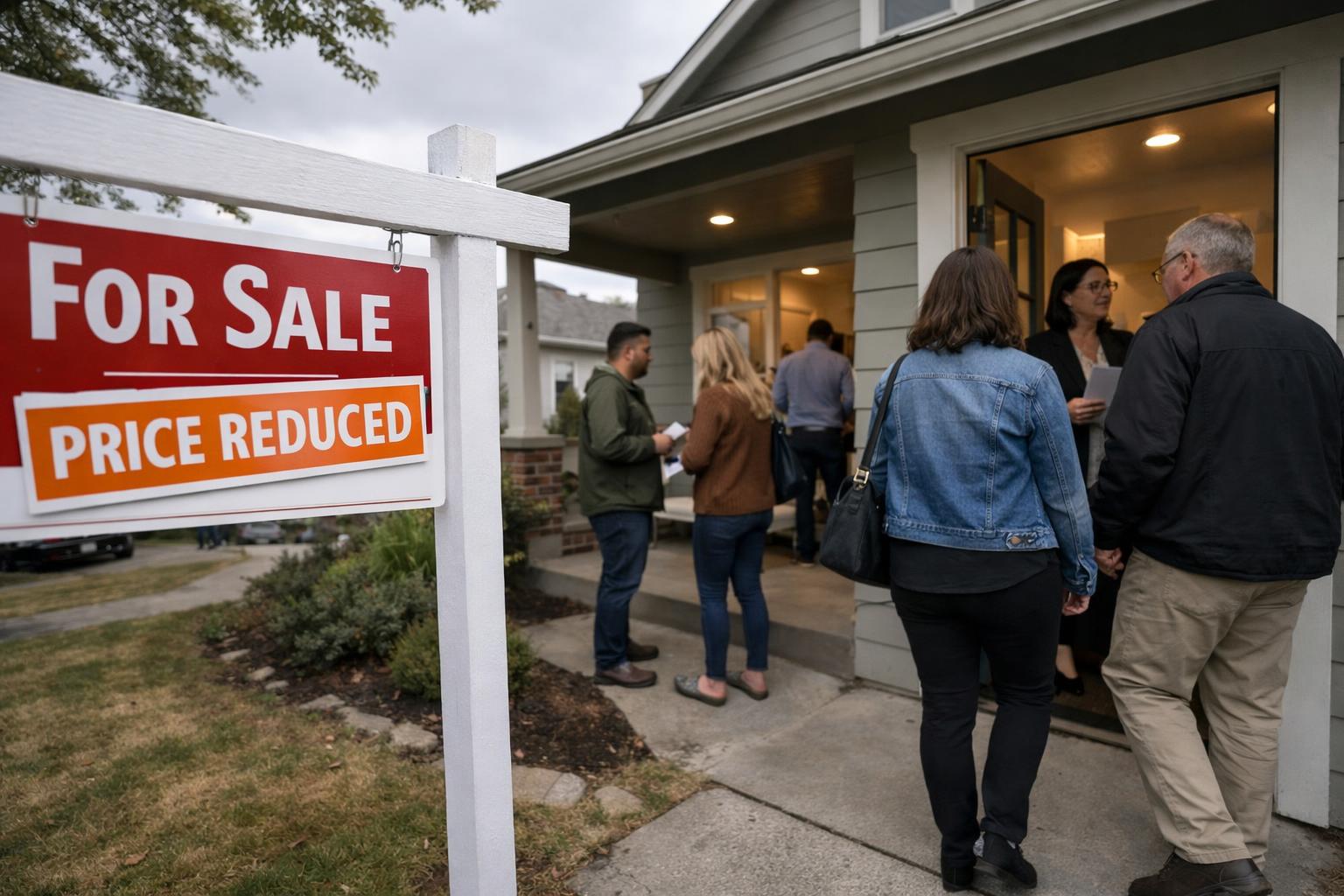
U.S. Home List Prices Dip as Market Cools
Redfin reports first year-over-year decline in median asking price since March.
Latest real estate news and analysis tagged with home prices on realestatenews.news.
Redfin reports first year-over-year decline in median asking price since March.
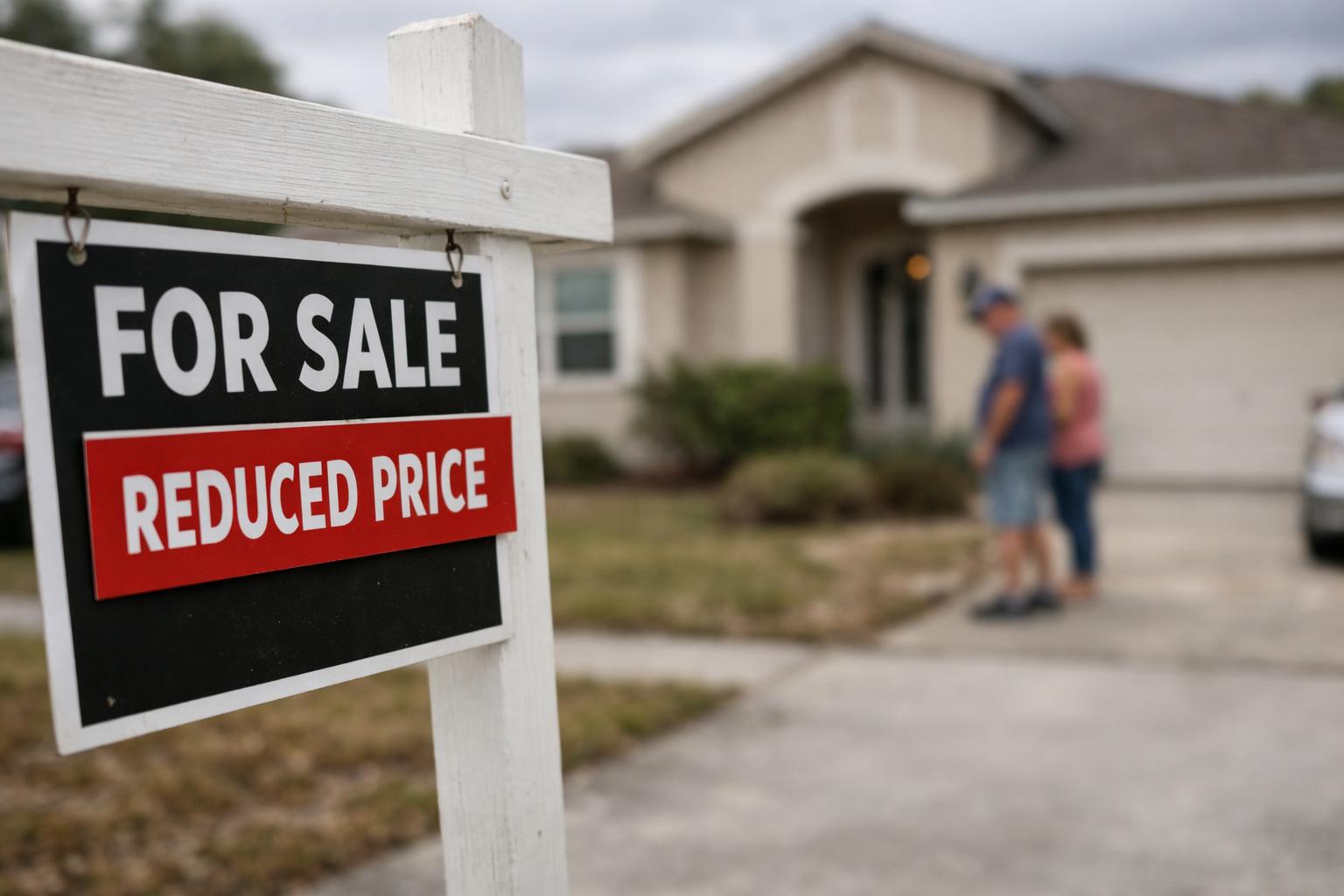
Median U.S. home asking price falls for the first time since March as mortgage rates remain high.

Redfin analysis shows varying timelines for housing costs to return to pre-pandemic levels across different metros
Tight inventory supports price growth despite higher mortgage rates and reduced sales activity.

Redfin reports a 3.5% weekly decline in pending home sales, offering buyers more negotiating power and choices.

Fresh inventory is flooding the U.S. housing market at its fastest pace in four years, but sluggish demand and elevated mortgage rates are keeping many buyers on the sidelines.

San Francisco's housing market is accelerating on the back of AI-industry wealth, while Seattle's market cools under the weight of tech layoffs and economic uncertainty. Redfin data shows the two cities are now moving in sharply opposite directions.

A new Redfin analysis finds buyers need to earn roughly $41,000 more per year to afford a home in a highly rated school zone, and median-income households face long odds in those neighborhoods.

Supply is climbing while pending sales hit a six-month low, shifting leverage toward buyers in cities like Miami, Nashville and across Texas—especially for homes that have sat on the market for weeks.

Buyer discounts on homes peak in late August through late September depending on the metro, with cities like Austin, Baltimore and Las Vegas each hitting their own deal-making sweet spots, according to a Redfin analysis.

Fresh supply is entering the market as summer fades, but pending home sales have slipped to their weakest point since March amid elevated mortgage rates and economic uncertainty.

Redfin's latest home price index shows national prices grew just 0.27% month over month in July, almost unchanged from June, while San Francisco, Oakland and West Palm Beach led all metros in gains driven by wealthy buyers.
The income required to afford a typical U.S. starter home has dropped 1.5% year over year, outpacing the broader market's modest gains, as wage growth and slower price appreciation widen the cushion for entry-level buyers.

U.S. pending home sales slipped 1.3% week over week through July 19, pressured by elevated mortgage rates and near-record home prices, even as inventory gives buyers more room to negotiate.
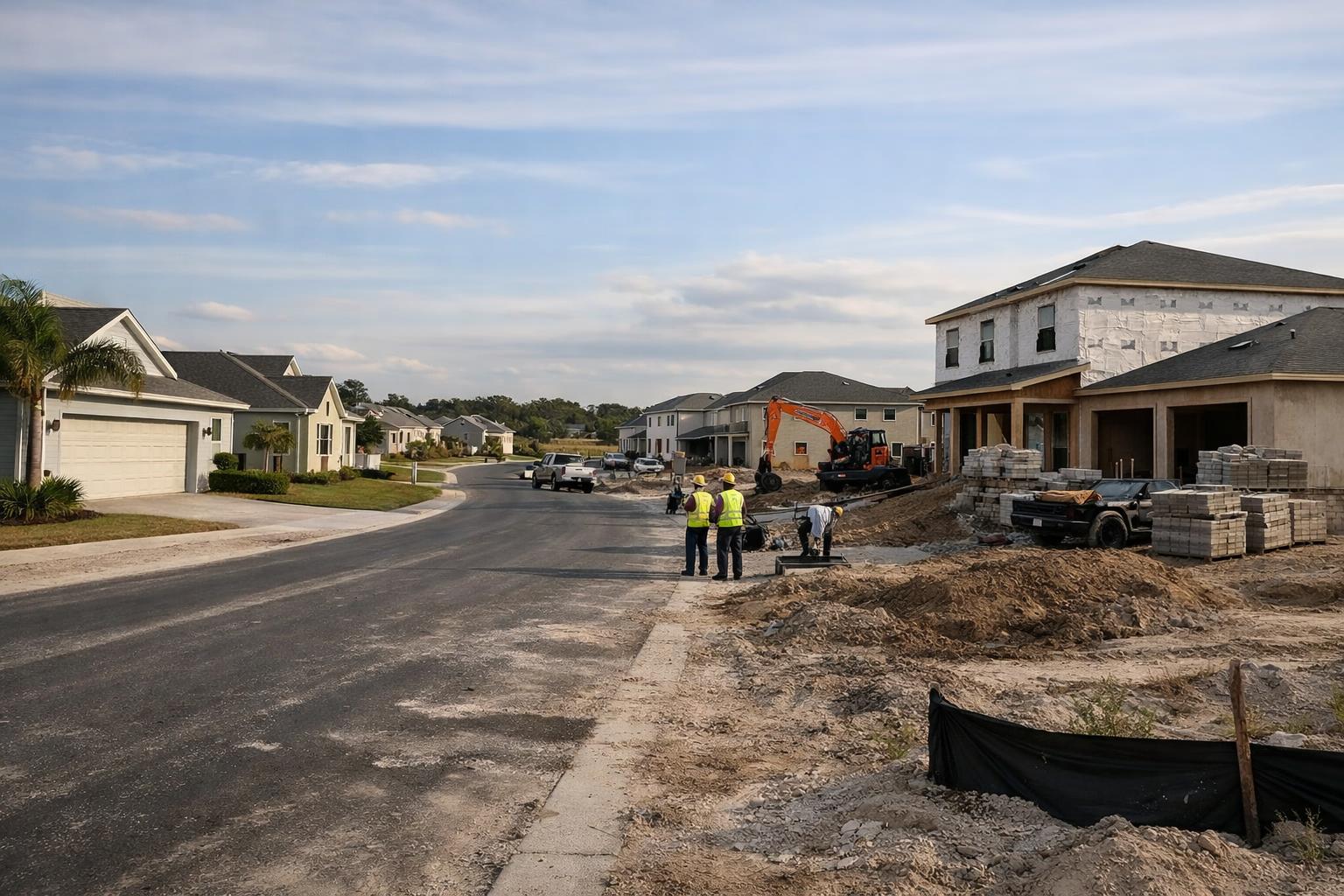
San Francisco's median home sale price now tops $1.7 million - more than $1 million above its post-crash floor - driven by the tech sector and the AI industry's growing grip on the Bay Area housing market.
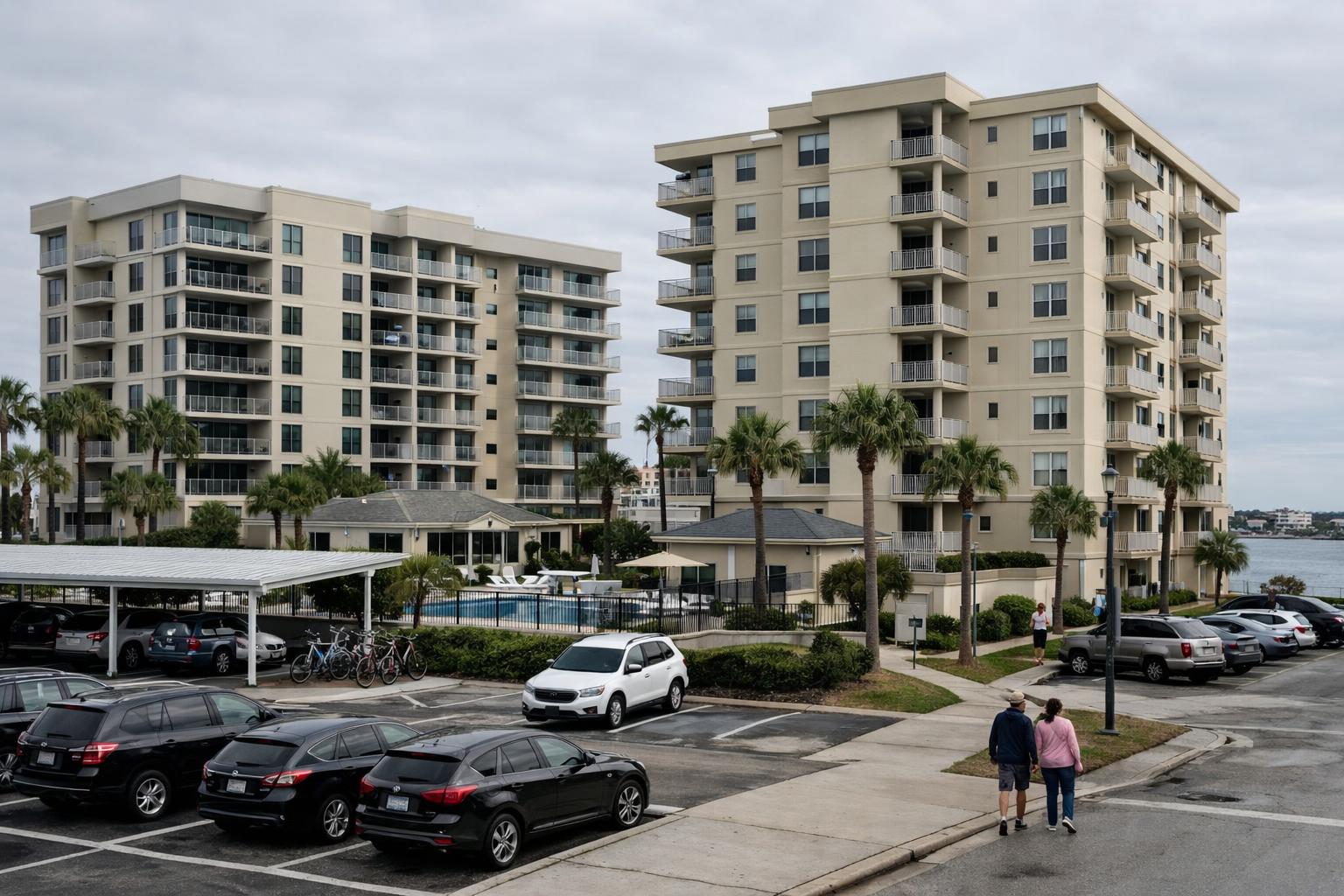
Florida single-family pending sales climbed 4.1% year over year in June, reaching 24,235 contracts — a sharp contrast to declines seen nationally and across the South.
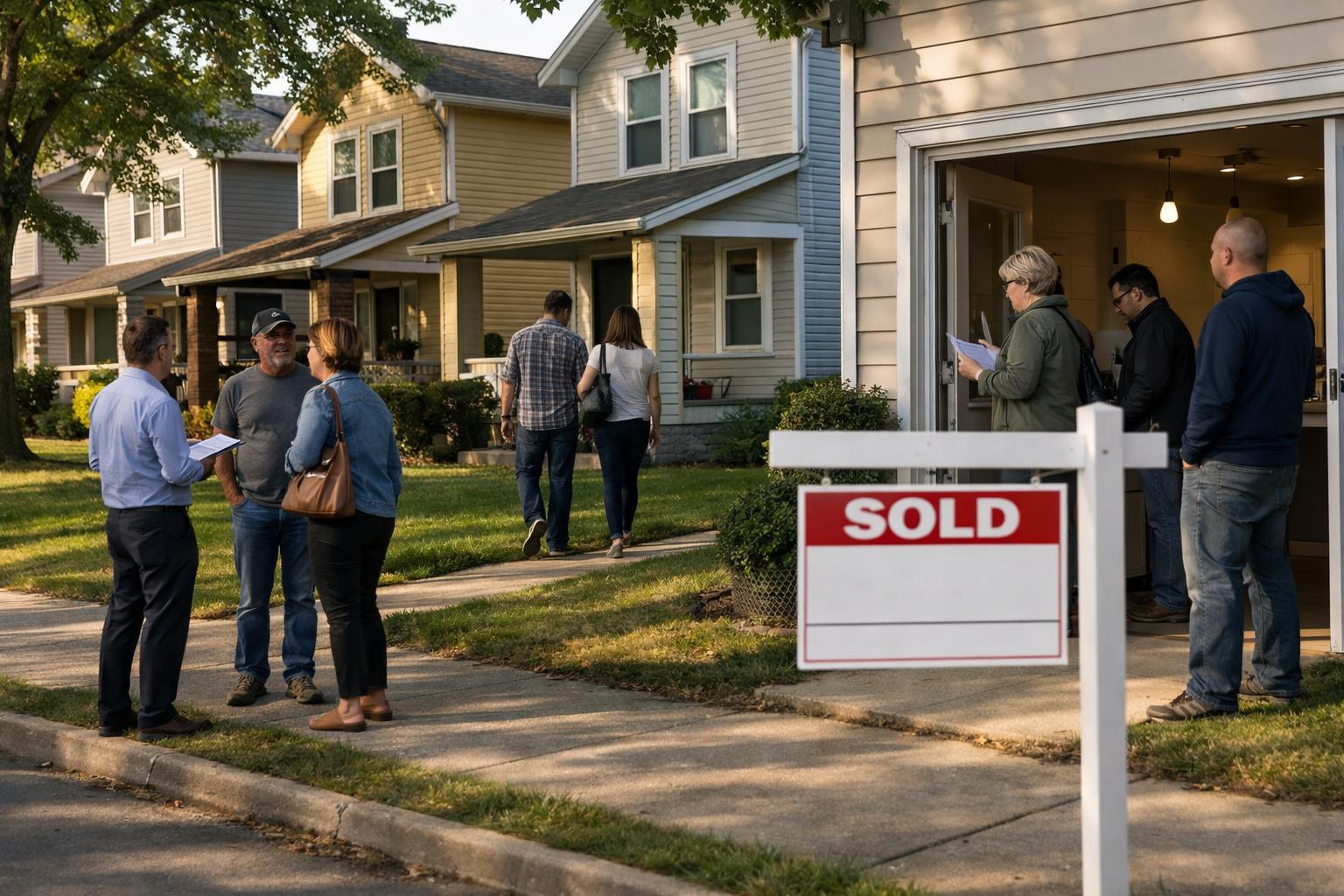
Redfin's Home Price Index shows June prices rose 0.3% month over month and 3% year over year—the strongest annual gain in 10 months—with Ohio metros and Miami leading the way.

Inland university cities like Morgantown, WV, Syracuse, NY, and Tuscaloosa, AL are posting double-digit price gains while pricier college markets cool, according to new Redfin data.
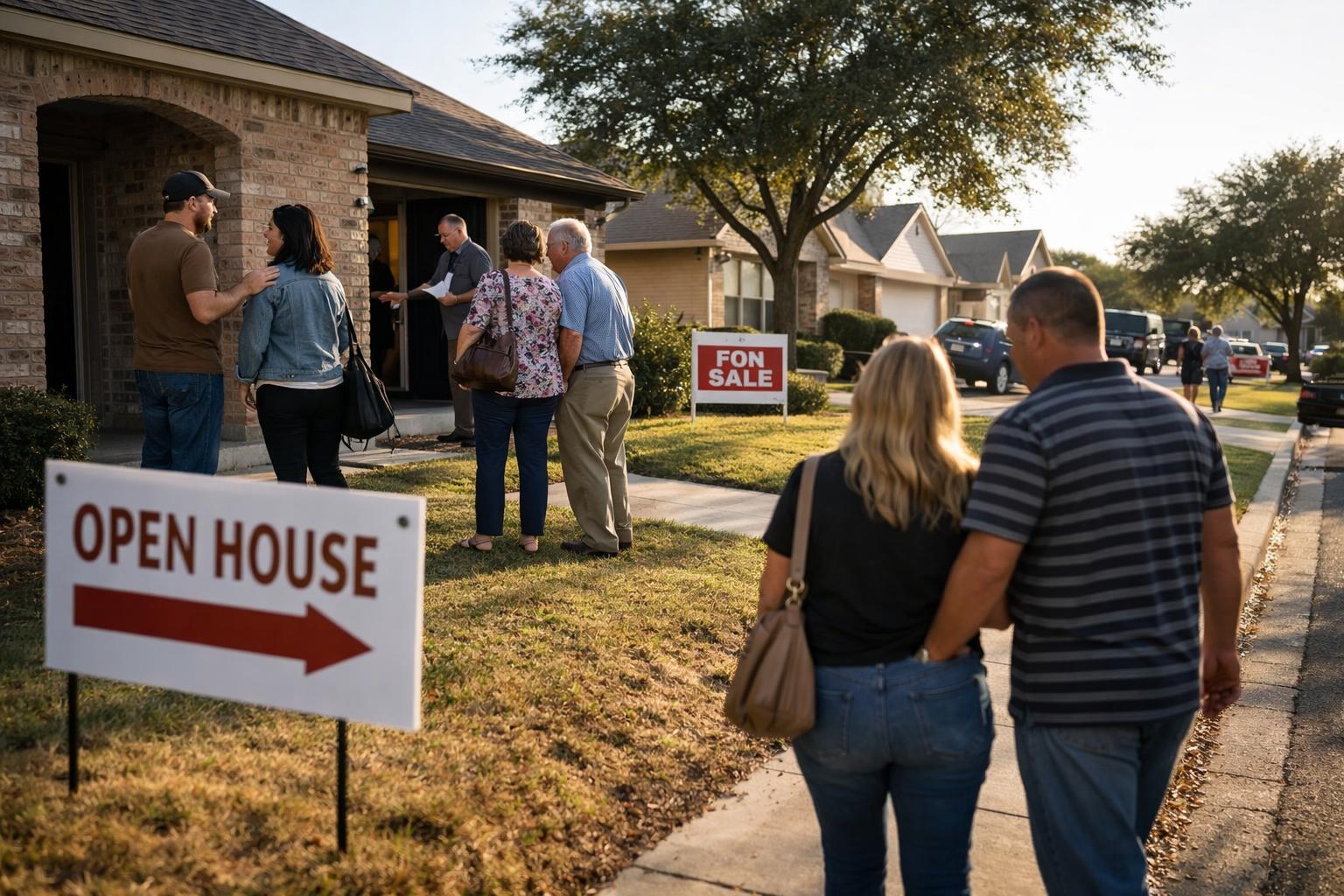
The share of home sellers reducing their asking prices has pulled back from a record high, signaling a modest shift in negotiating power — though buyers still hold the upper hand in many markets.

The median U.S. home sale price climbed 2.4% year over year in April 2026, the sharpest increase since March 2025, as pending sales hit the highest level since 2023 and inventory expanded to its widest point since 2020.
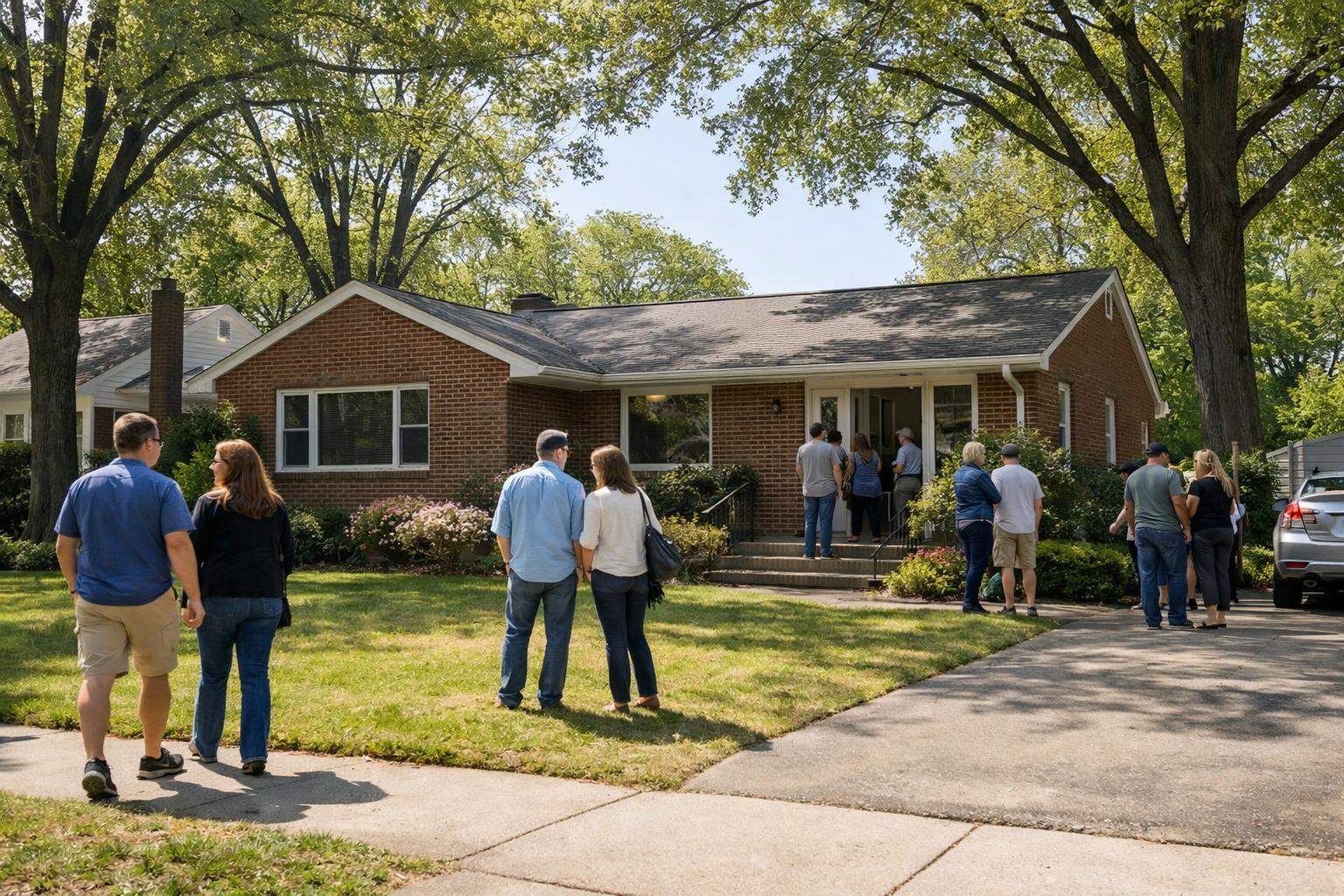
The median U.S. home sale price climbed 2.4% year over year in April to $396,173, the largest annual increase in 13 months, as buyer demand surged alongside a stronger-than-expected jobs report.
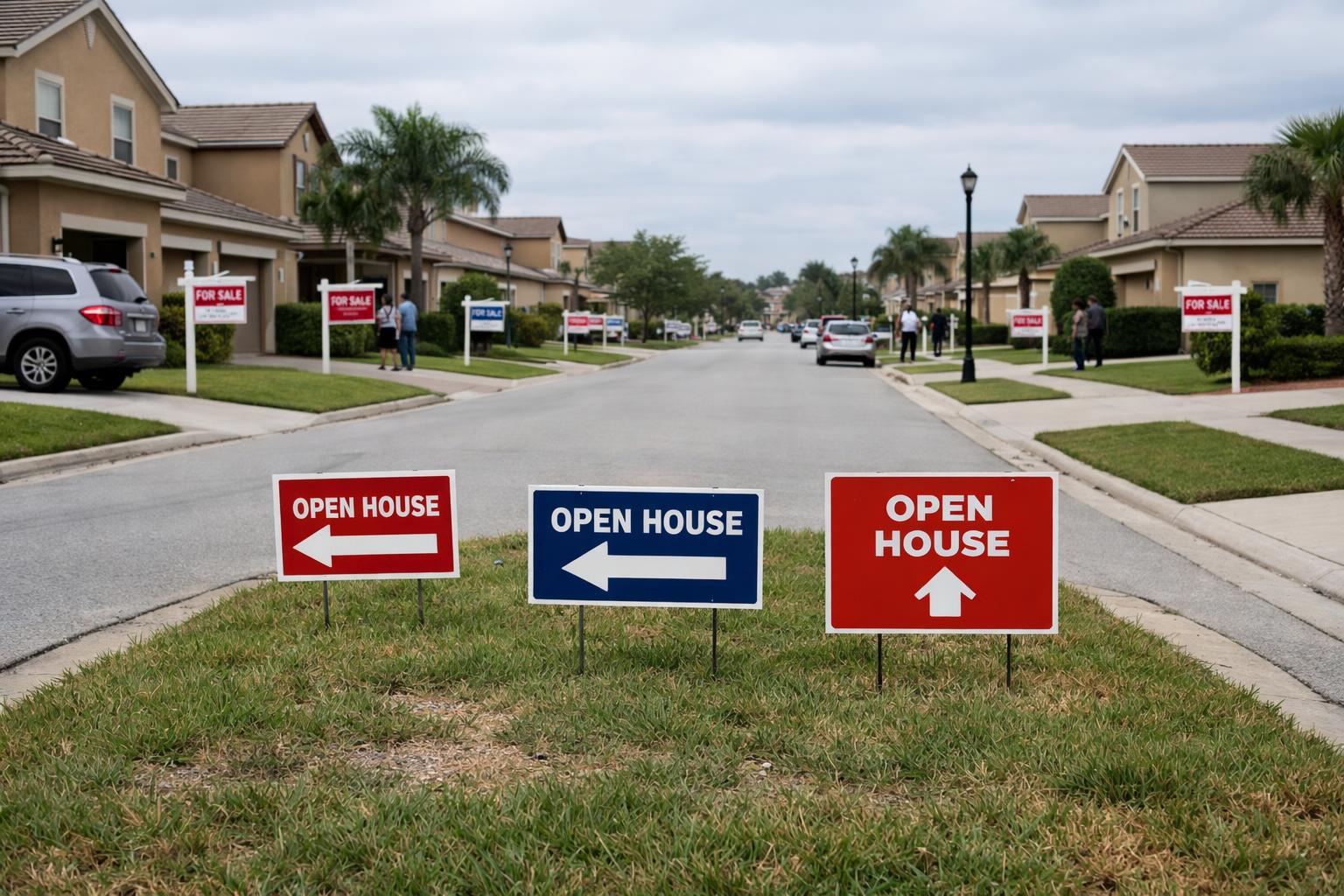
After months of growing buyer leverage, the gap between home sellers and buyers finally began to narrow in April 2026, signaling a potential turning point in the U.S. housing market.
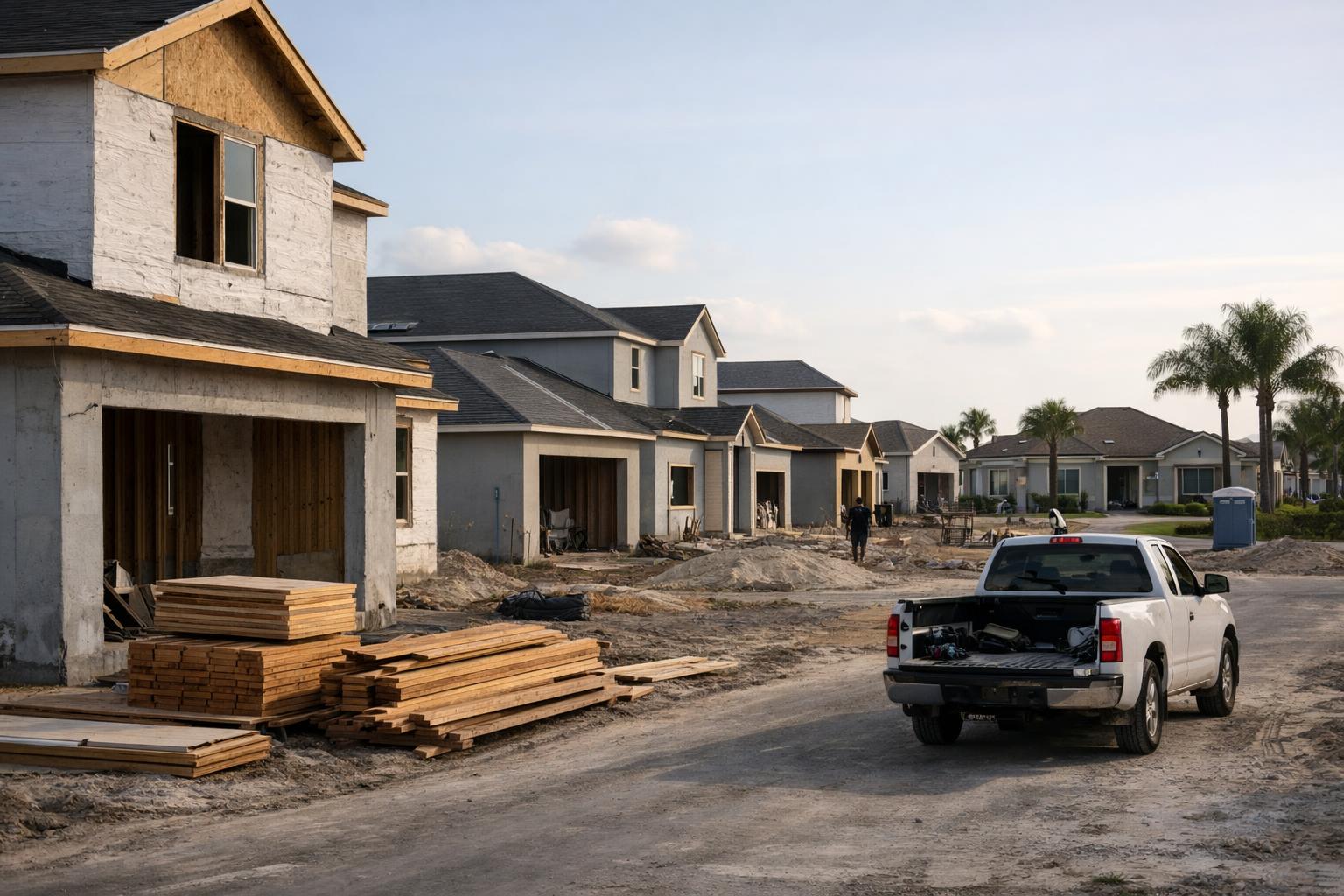
New single-family construction gained momentum in March as limited resale inventory and a slight easing in mortgage rates nudged buyers toward new builds.

NAR data: 167 of 235 metros posted price gains in Q1 2026; national single‑family median edged up to $404,300 as affordability modestly improved.