


Redfin's latest home price index shows national prices grew just 0.27% month over month in July, almost unchanged from June, while San Francisco, Oakland and West Palm Beach led all metros in gains driven by wealthy buyers.
Source: Original report
Price Growth Stalls at the National Level
U.S. home prices edged up 0.27% month over month on a seasonally adjusted basis in July, according to the Redfin Home Price Index (RHPI), which uses a repeat-sales methodology to track single-family home values. That figure is barely changed from the 0.28% recorded in June, signaling that national price momentum has largely plateaued heading into late summer.
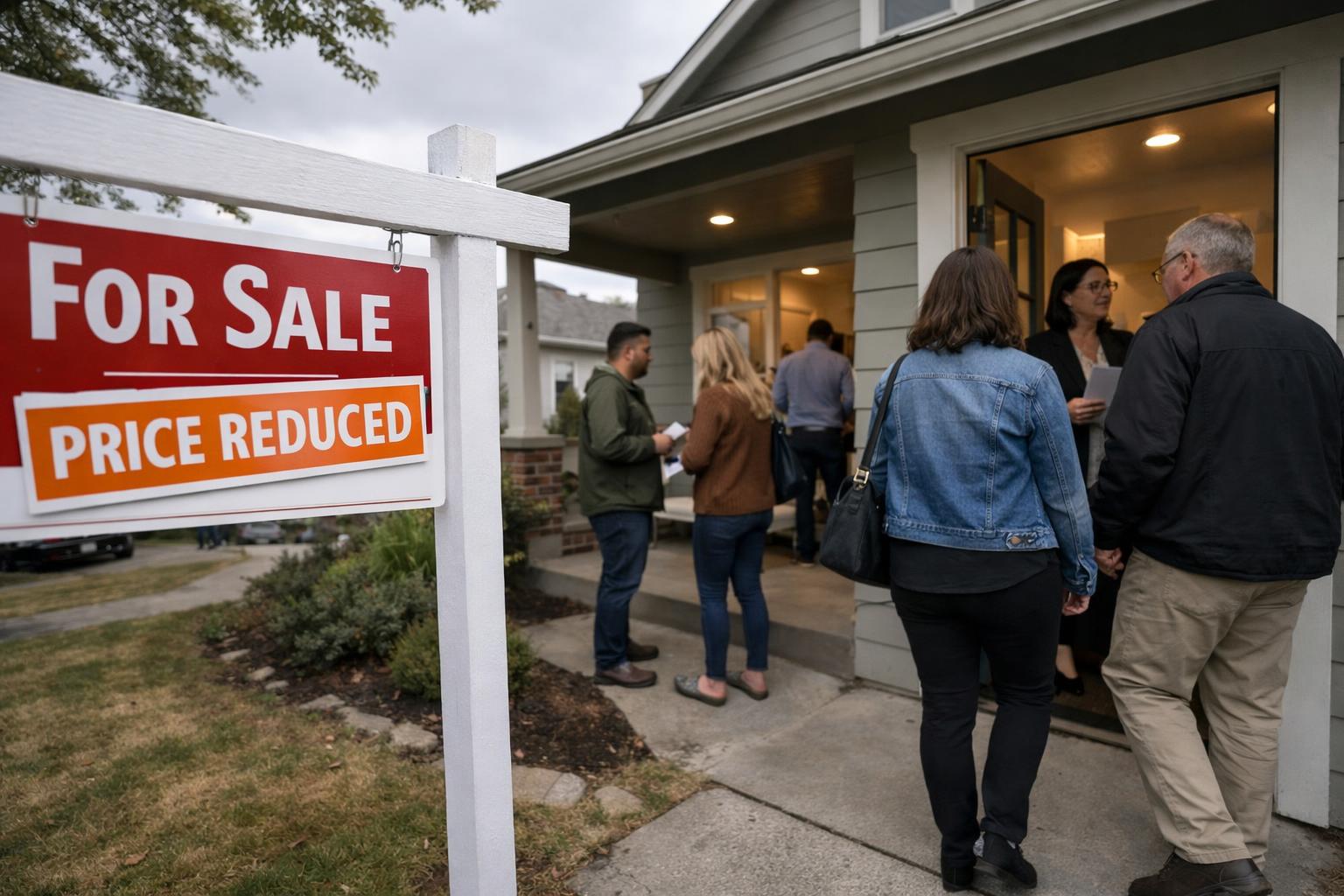
On an annual basis, prices are up 3.4% compared with July 2025, the strongest year-over-year gain in roughly a year. Still, the month-to-month picture reflects a market caught between two opposing forces: persistent affordability pressure keeping many buyers on the sidelines, and a supply glut that limits how aggressively sellers can push prices higher.
Mortgage rates have hovered in the mid-to-high 6% range throughout the summer, sustaining the cost burden for typical buyers. At the same time, the number of active sellers continues to substantially outnumber buyers nationally, which prevents any meaningful price acceleration.
Luxury Demand Is Doing the Heavy Lifting
Despite muted overall conditions, the upper end of the market is outperforming. High-net-worth buyers — including professionals benefiting from the ongoing technology and AI hiring wave in the Bay Area — are actively competing for premium properties in select metros. This segment is providing a floor under national price averages even as everyday buyers pull back.
Redfin's head of economics research, Chen Zhao, described the dynamic as a market effectively split in two: affordability-constrained households sitting out while wealthier buyers continue to transact, giving the broader price index more support than underlying demand might otherwise justify.
Top-Performing Metros in July
Among the 49 major metro areas analyzed, 29 posted month-over-month price gains. The leaders were:
- San Francisco, CA: +1.5% month over month; +13.3% year over year
- Oakland, CA: +1.3% month over month
- Pittsburgh, PA: +1.0% month over month
- New York, NY: +1.0% month over month
- West Palm Beach, FL: +0.9% month over month; +8.9% year over year
- Cincinnati, OH: +0.9% month over month
The Bay Area's outsized gains are closely tied to AI-sector employment growth, which has fueled homebuying demand among high-earning workers. West Palm Beach continues to attract affluent relocators, pushing luxury transaction prices to elevated levels.
Markets Seeing Declines
Twenty metros recorded month-over-month price drops in July. The steepest declines were concentrated in Texas and parts of the East Coast:
- Montgomery County, PA: -1.1%
- Fort Worth, TX: -0.8%
- Austin, TX: -0.6%
- Miami, FL: -0.6%
- Virginia Beach, VA: -0.6%
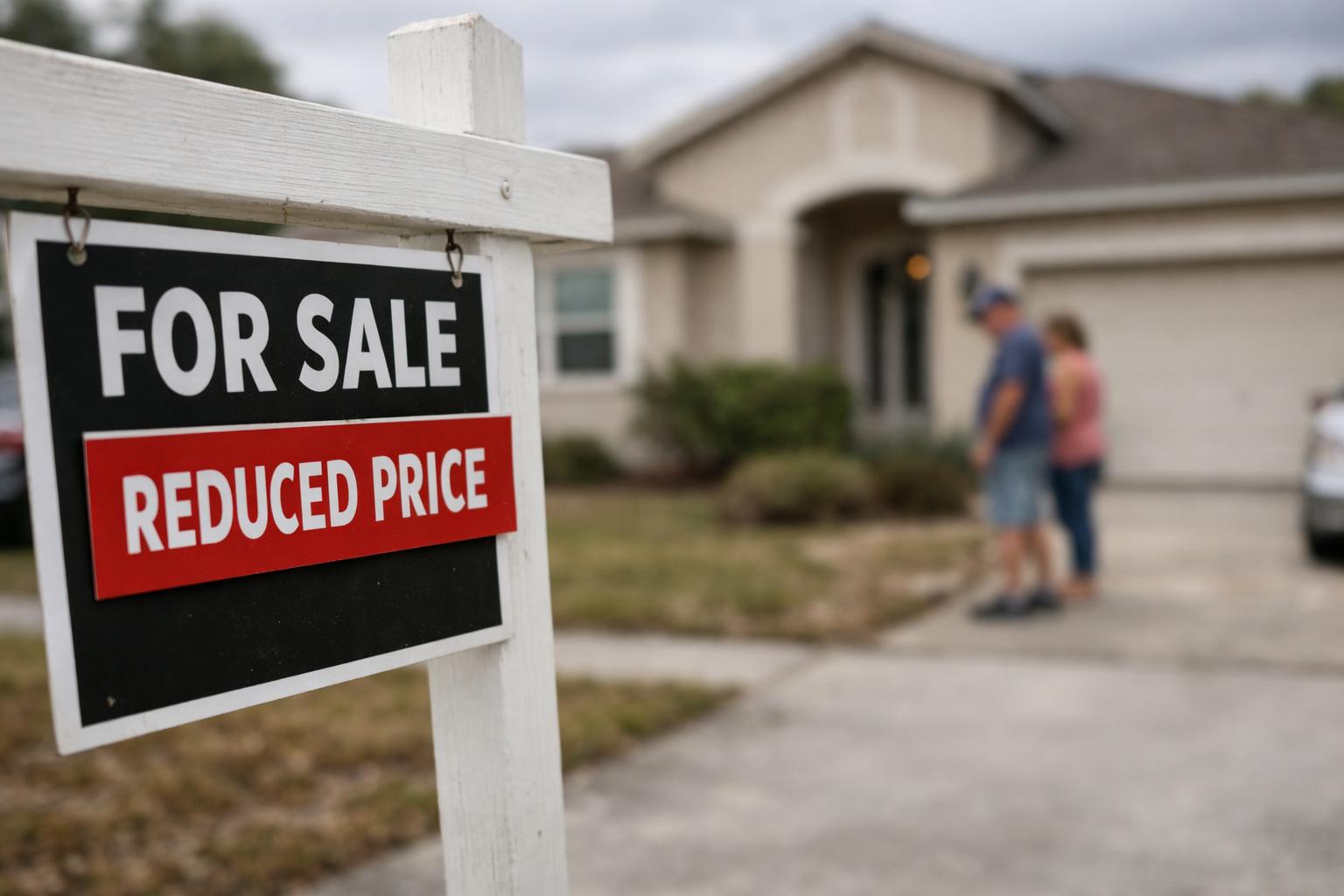
On an annual basis, Texas markets are bearing the brunt of the correction. San Antonio is down 2.1% year over year, followed by Fort Worth (-1.3%), Dallas (-1.0%), Austin (-1.0%) and Phoenix (-0.9%). In each of these cities, active listings roughly double the number of serious buyers, forcing sellers to reduce asking prices and giving purchasers meaningful negotiating leverage.
What This Means for Buyers and Sellers
The July data reinforces the idea that the U.S. housing market is not a single story. Sellers in supply-heavy Sun Belt cities face genuine pricing pressure and should calibrate expectations accordingly. Meanwhile, buyers in tech-driven coastal metros like San Francisco will continue to encounter competitive conditions, particularly for well-located, move-in-ready homes.
For the broader market, price growth appears to be settling into a slow but positive trajectory rather than reversing sharply. Unless mortgage rates decline meaningfully or inventory shifts dramatically, a similar pattern of modest monthly gains and wide metro-level divergence is likely to persist through the remainder of 2025.