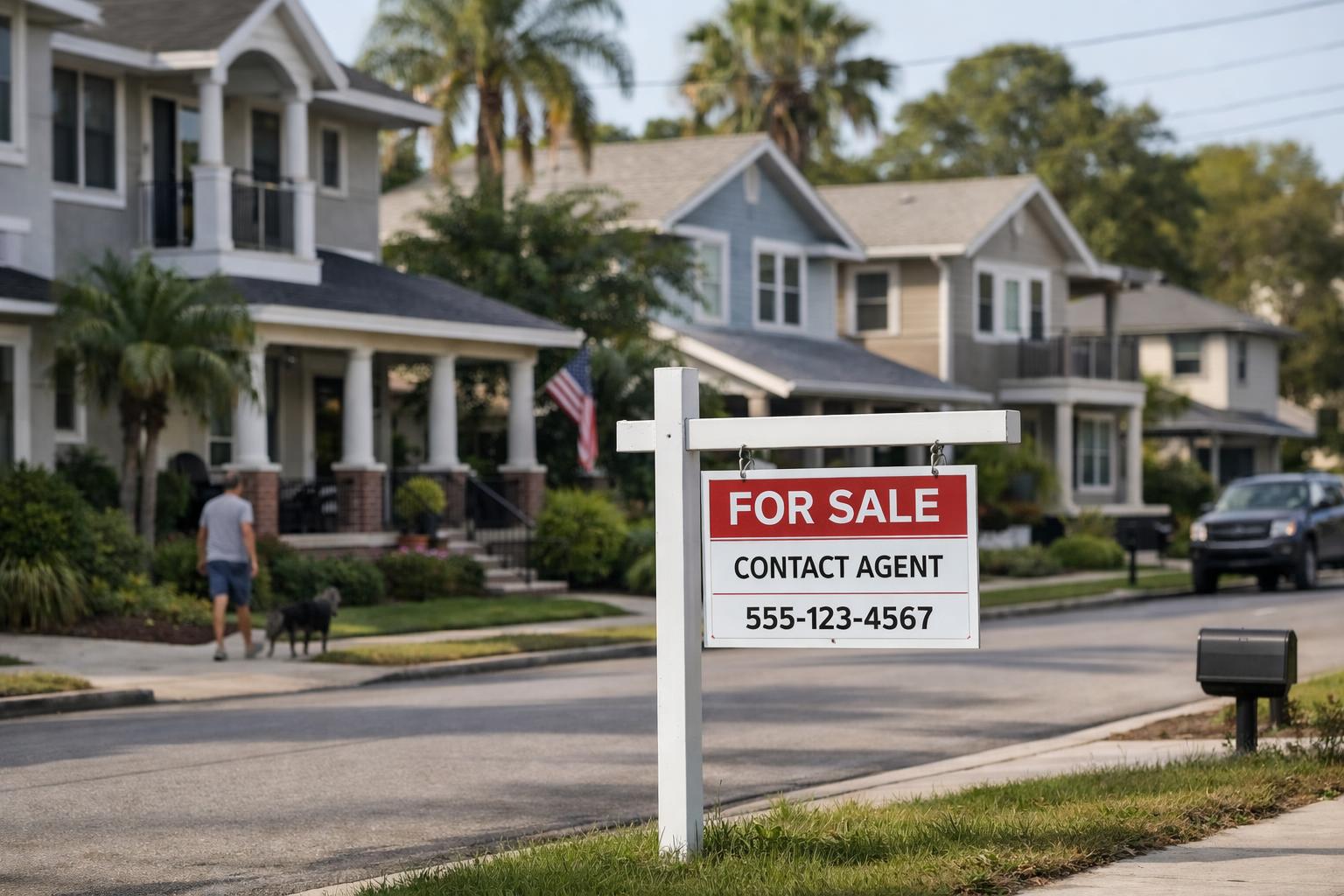


A fresh Redfin analysis finds roughly 48.5% more home sellers than buyers nationally in June, with Miami, Nashville, Houston, San Antonio, and Austin emerging as the country's most pronounced buyer's markets.
Source: Original report
Buyers Gain the Upper Hand in Most U.S. Markets
The U.S. housing market entered summer 2026 with nearly half a million more homes listed for sale than active buyers, according to new data from Redfin. The seller-to-buyer gap stood at approximately 48.5% in June, barely changed from 48.7% in May and down modestly from a December peak of 50.1%. With an estimated 1.5 million sellers compared to roughly 1 million buyers, purchasing power has tilted decisively toward shoppers who can afford to act.
That qualification matters. Affordability constraints and economic uncertainty have pushed many potential buyers to the sidelines, which is precisely what created such a lopsided market in the first place. For those who do have the financial footing to move, however, conditions are favorable: more inventory, lighter competition, and sellers increasingly willing to negotiate on price, closing costs, and repair credits.
Sun Belt Cities Dominate the Buyer's Market Rankings
Of the 47 major metro areas Redfin analyzed, 33 qualified as buyer's markets in June — defined as markets where sellers outnumber buyers by more than 10%. Miami led all metros with an estimated 140% more sellers than buyers, followed closely by Nashville at 129%. Three Texas cities rounded out the top five: Houston at 124%, San Antonio at 117%, and Austin at 101%.
The concentration of buyer's markets across the Sun Belt reflects several converging pressures:
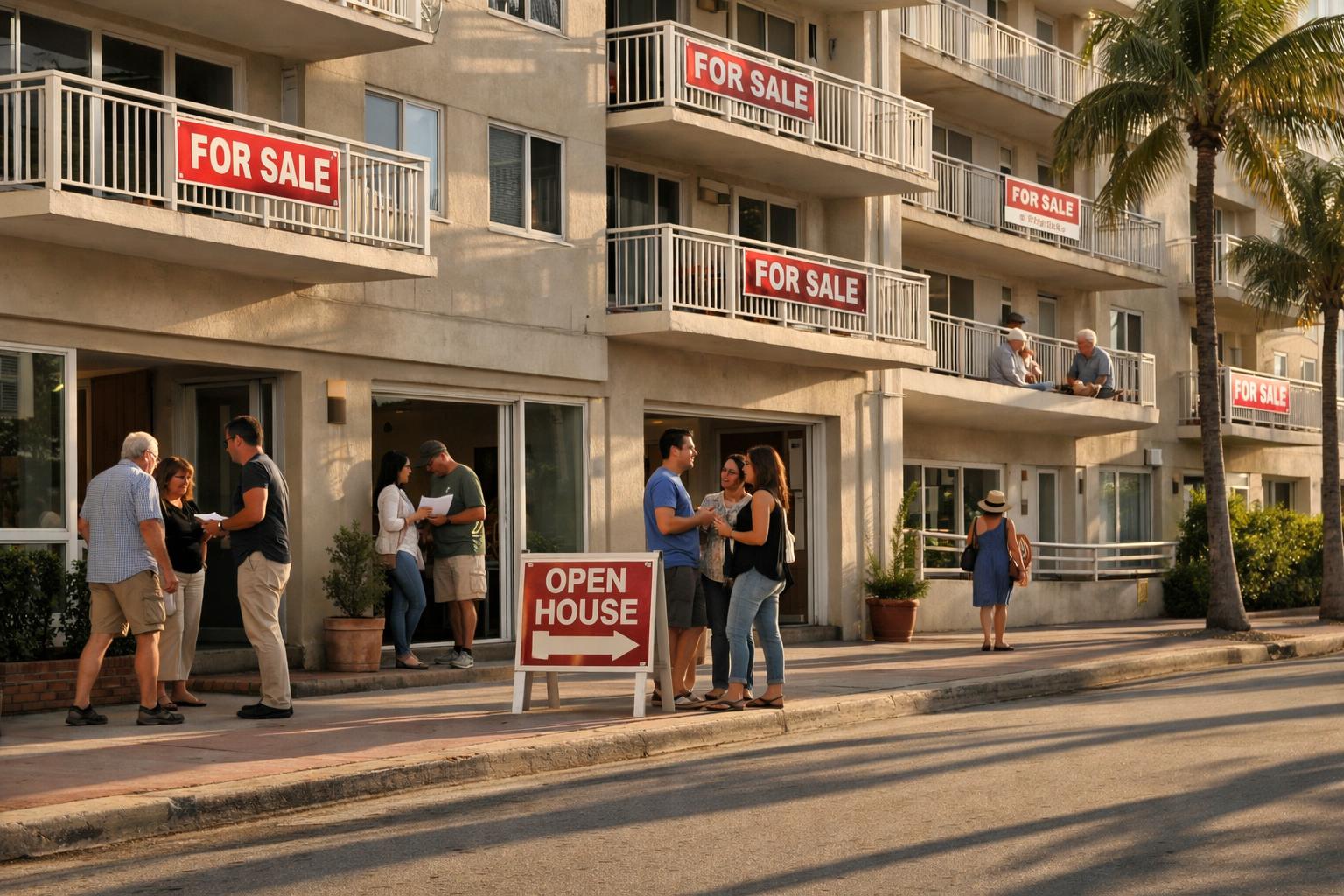
- Miami: Sky-high home prices, surging insurance premiums, and escalating HOA fees — particularly for the city's large condo inventory — are pricing out many would-be buyers. At the same time, those same costs are motivating existing owners to list and exit the market.
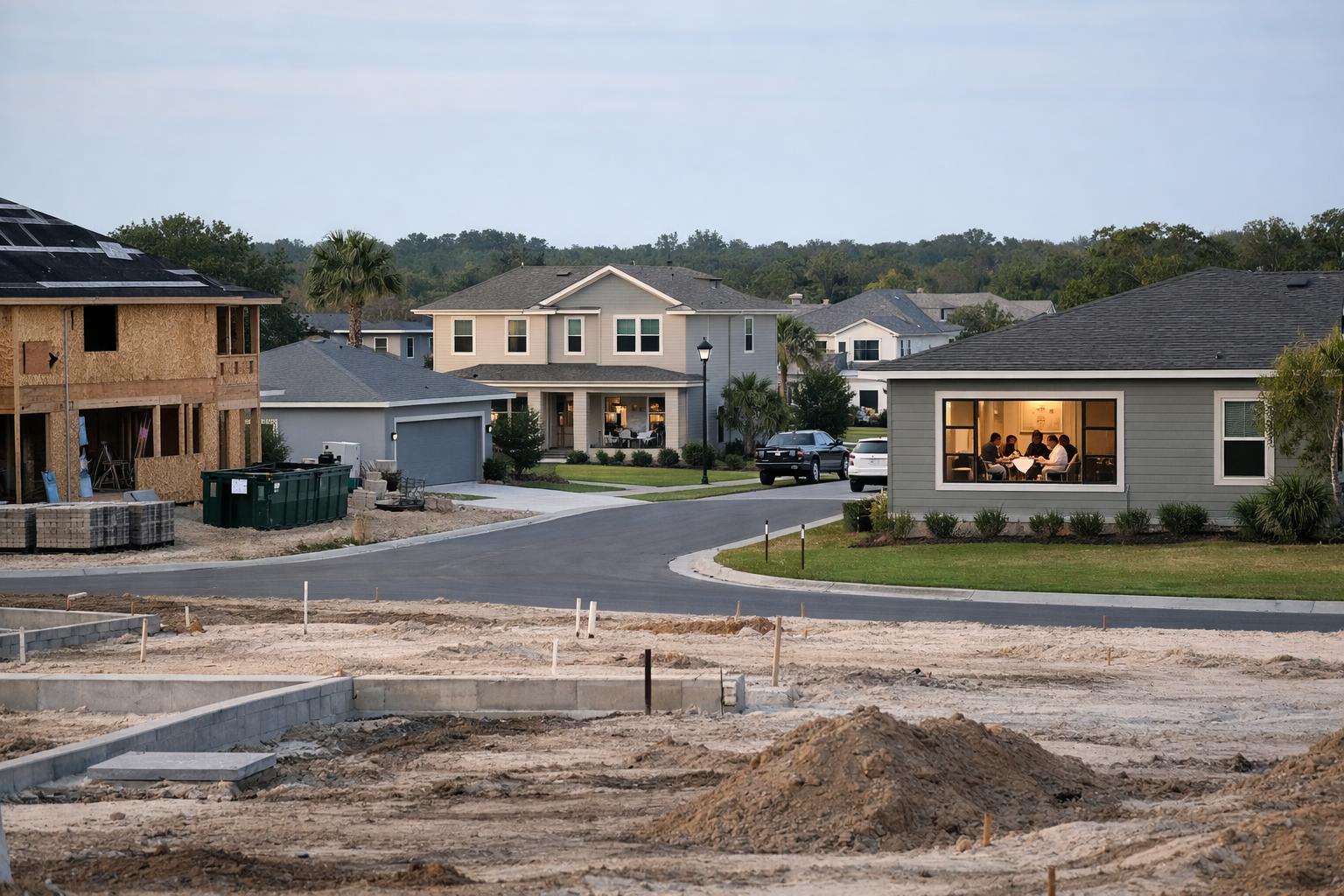
- Nashville and Texas metros: Years of aggressive homebuilding have expanded supply well beyond current demand. High mortgage rates and affordability challenges are keeping buyer activity subdued, leaving sellers competing for a smaller pool of qualified purchasers.
Seven Metros Remain Seller's Markets, Mostly in the Northeast
While most of the country favors buyers, seven major metros still tilt toward sellers. Nassau County, NY topped the list with 38% fewer sellers than buyers, followed by Milwaukee (-30%), Montgomery County, PA (-21%), Newark, NJ (-21%), New Brunswick, NJ (-21%), Providence, RI (-18%), and San Francisco (-16%).
The Northeast's seller-friendly conditions stem from a persistent inventory shortage. Limited land availability, restrictive zoning, and slower population growth have kept new construction minimal. Many existing homeowners in these areas are also reluctant to list because they locked in ultra-low mortgage rates and have little incentive to move. Strong local job markets and high household incomes continue to support buyer demand, keeping competition elevated despite thin supply.
San Francisco's seller's market has a different driver: the Bay Area's artificial intelligence employment boom is generating a wave of high-income buyers who are absorbing available inventory and keeping competition brisk.
Buyer's Markets Deepening in Houston, Orlando, and Miami
Among the 33 buyer's markets nationally, 16 became even more skewed toward buyers over the course of June. Houston saw the sharpest monthly shift, with its seller surplus climbing from roughly 104% to 124%. Orlando followed, moving from an 81% surplus to 98%. Miami's already-dominant seller surplus widened further, from 127% to 140%.
On the other side of the ledger, Anaheim, CA saw its seller surplus narrow from 39% to 25%, and Riverside, CA pulled back from 73% to 62%. Tampa, FL also moderated, dropping from an 80% surplus to 70%, though it remains firmly in buyer's market territory.
What It Means for Today's Buyers and Sellers
The takeaway for buyers in most markets is straightforward: the leverage that sellers wielded during the pandemic-era frenzy has largely dissipated outside the Northeast and a handful of other tight-supply metros. Negotiating on price reductions, seller concessions, and inspection repairs is more viable now than at any point in recent years.
For sellers, particularly in Sun Belt cities, recalibrating price expectations to match current demand levels is increasingly necessary. Homes are sitting longer, and the window for attracting multiple offers has narrowed considerably in the majority of U.S. metros.