

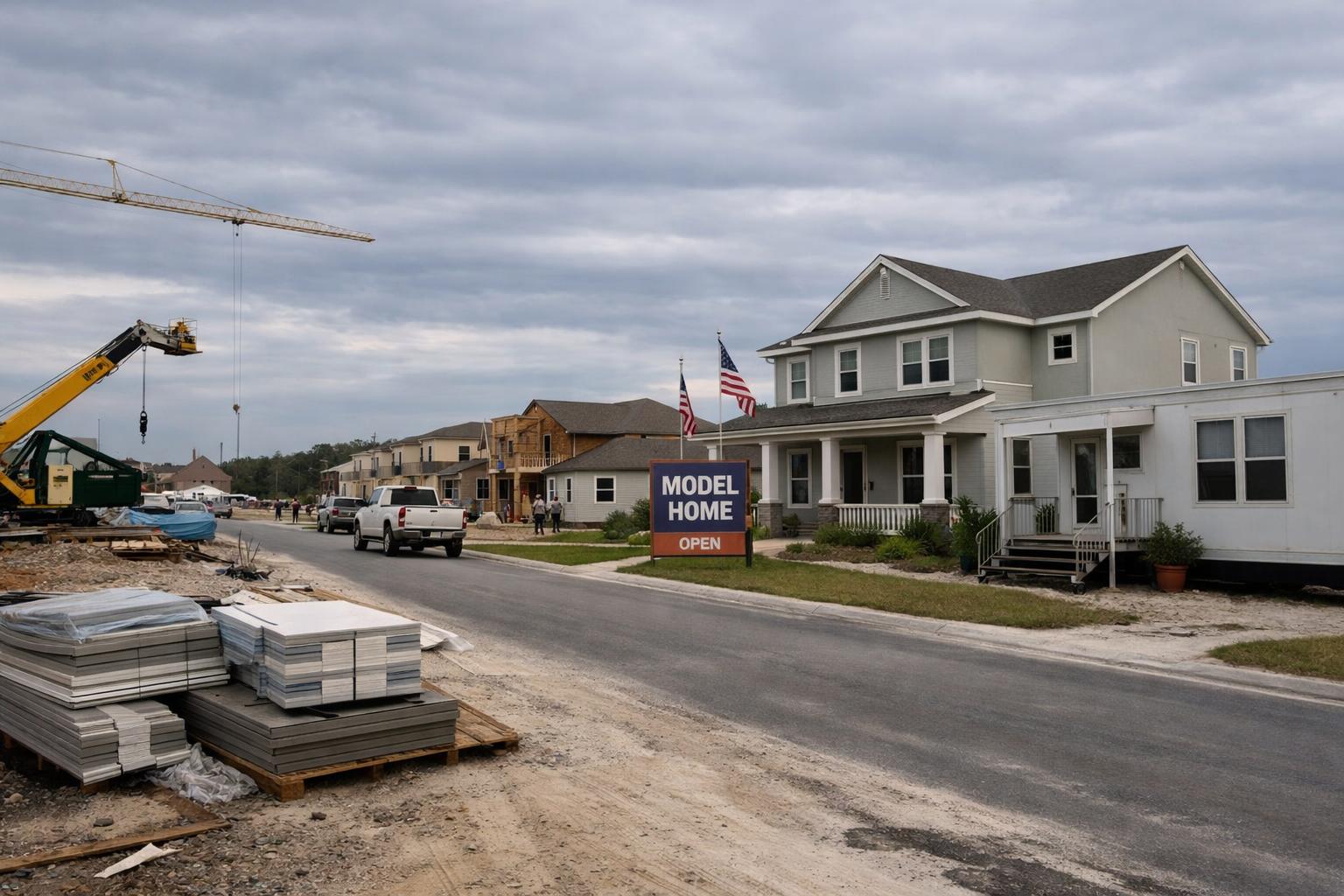
Gross domestic product expanded 2% in Q1, powered by federal spending and business investment, while residential investment fell for the fifth quarter in a row.
Source: Original report
The U.S. economy expanded at a 2% annualized pace in the first quarter of 2026, rebounding from a tepid finish to 2025. The Commerce Department reported that strong federal outlays and a jump in business investment helped offset softer consumer spending and a continued pullback in housing.
Where growth came from
Federal government spending and investment surged, adding substantially to GDP after trimming growth in the prior quarter. Business capital expenditures also rose briskly — likely reflecting investments tied to artificial intelligence — which supported overall activity.
Housing and consumption weighed
- Consumer spending, which represents the bulk of U.S. demand, edged down to roughly 1.6% growth in Q1.
- Residential investment fell about 8% at an annual rate, marking a fifth consecutive quarterly decline and the largest drop since late 2022.
- Imports climbed sharply, subtracting from measured GDP growth as spending on foreign goods increased.
Geopolitical risks and policymaker caution
The first quarter included about a month of the conflict involving Iran, which disrupted regional energy flows and pushed energy prices higher. That uncertainty helped shape the Federal Reserve's decision to hold its policy rate steady; the central bank noted "a high level of uncertainty" tied to global developments.
Economists described the expansion as uneven. As one put it, "This is a split-screen economy," with pockets of rapid corporate investment alongside households facing higher costs.
What this means for Florida's housing market
National trends in residential investment have direct implications for states with large housing sectors, including Florida. Continued weakness in housing investment can pressure builders, slow new starts and influence construction employment — factors that may affect inventory, pricing and local market dynamics.
At the same time, stronger federal spending and business outlays may support broader economic activity in the state, depending on where investment and government projects are concentrated. Market participants should monitor shifts in mortgage demand, construction permits and local labor conditions as the year unfolds.
Key data points
- Overall GDP growth: 2.0% annualized in Q1 2026
- Federal government spending & investment: roughly 9.3% annualized increase
- Consumer spending: about 1.6% annualized
- Business investment: roughly 8.7% annualized
- Residential investment: about -8% annualized
- Imports: rose ~21.4% annualized, reducing GDP growth
Policymakers and market observers say the mix of stronger corporate outlays and weakening housing activity creates an uncertain path forward. For Florida-focused real estate professionals, the coming quarters will be critical in assessing whether local housing markets diverge from these national trends.