


Surveys show most owners with low mortgage rates plan to stay put, though lifestyle changes and buyer remorse could boost listings over time.
Source: Original report
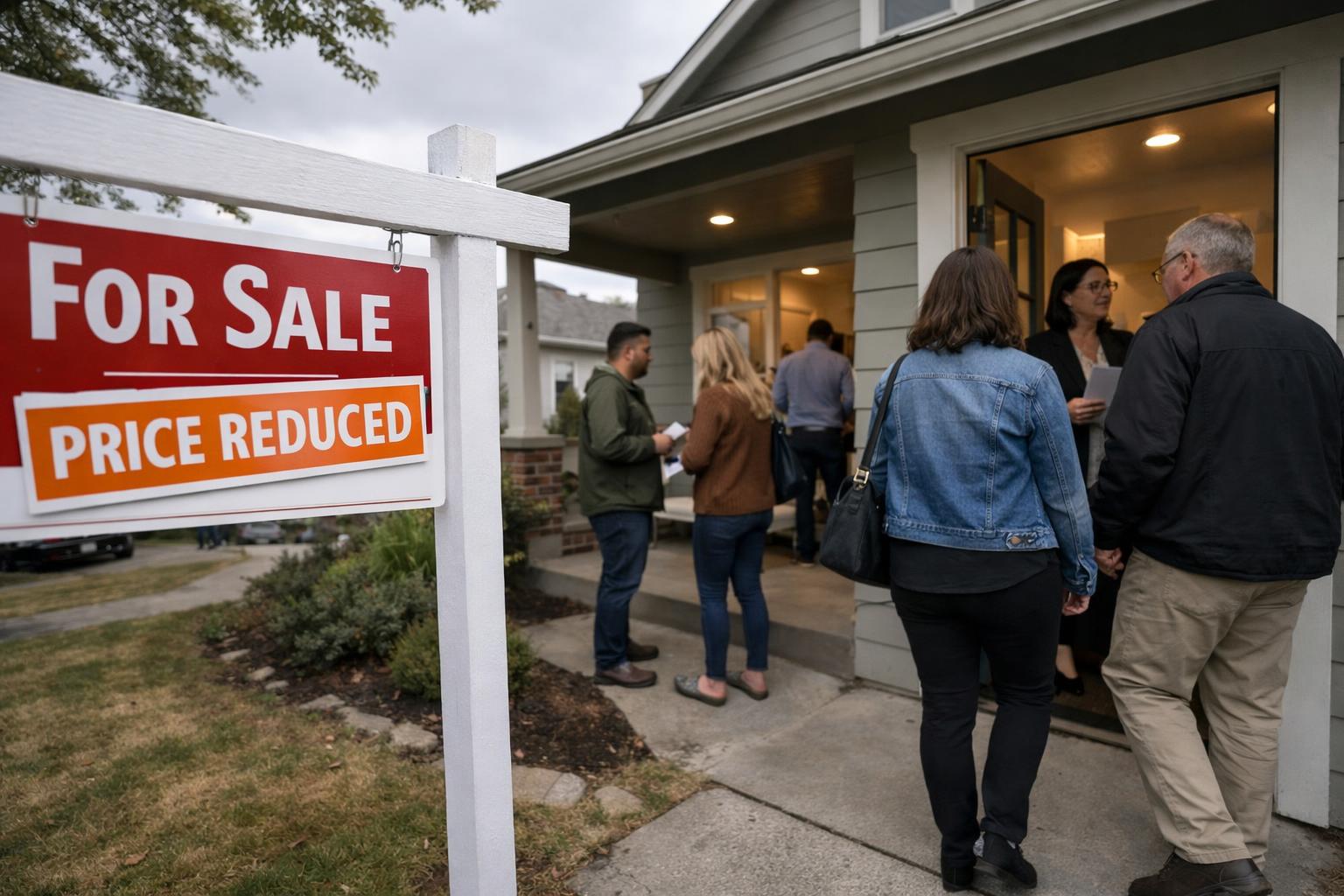
Homeowners sitting on low mortgage rates are largely resisting moves that would force them to give up favorable loans, according to recent surveys. That reluctance helps explain persistently thin inventory in many markets, even as other forces work to free up listings.
How locked-in are owners?
- About three-quarters of mortgage holders have interest rates below 6% and the majority are inclined to stay where they are.
- Roughly half say they won’t surrender their mortgage rate, while more than one-third indicate nothing would persuade them to sell.
- Those with rates under 3% are even less likely to move: a majority say they will not give up their current loan terms.
- With respect to market incentives, about 40% would only consider listing if rates fell below 4%, and about 20% say they would not move unless rates dropped under 3%.
Who is still likely to relocate?
Despite the rate lock, a share of homeowners intend to move. One survey finds about 10% plan to relocate within two years. Another forecast shows nearly a third expect to move within five years. Mobility is concentrated among younger owners: almost half of Gen Z and millennial homeowners want to move soon, compared with fewer than one in five baby boomers.
Regret could loosen the logjam
Buyer and borrower remorse appear to be meaningful. Around half of all mortgage holders express regret about their loan terms, and that rises to roughly three-quarters among those with rates above 6%. Among homeowners actively planning a move, about two-thirds say they regret their current purchase, citing affordability and high borrowing costs as key reasons.
What this means for markets
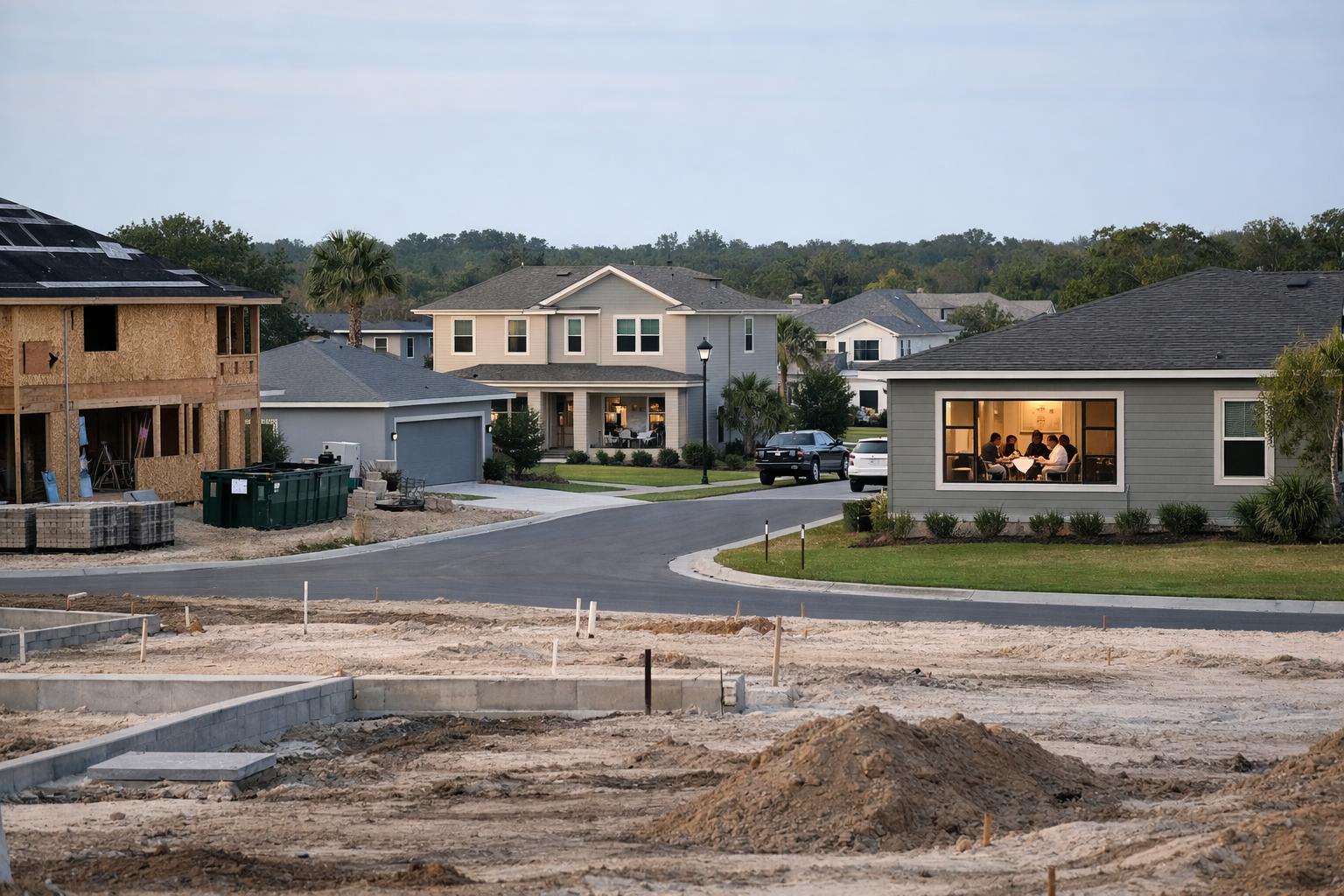
The combination of steeply discounted existing loans and growing dissatisfaction with purchase terms suggests a mixed outlook. In the near term, low-rate holders will likely keep supply constrained. Over time, lifestyle shifts, intergenerational differences in mobility and rising regret over deals made in a higher-rate environment could produce more listings, easing pressure in inventory-starved areas.
Sources: Clever Real Estate/Best Interest Financial survey; Hippo Housing Forecast 2026.