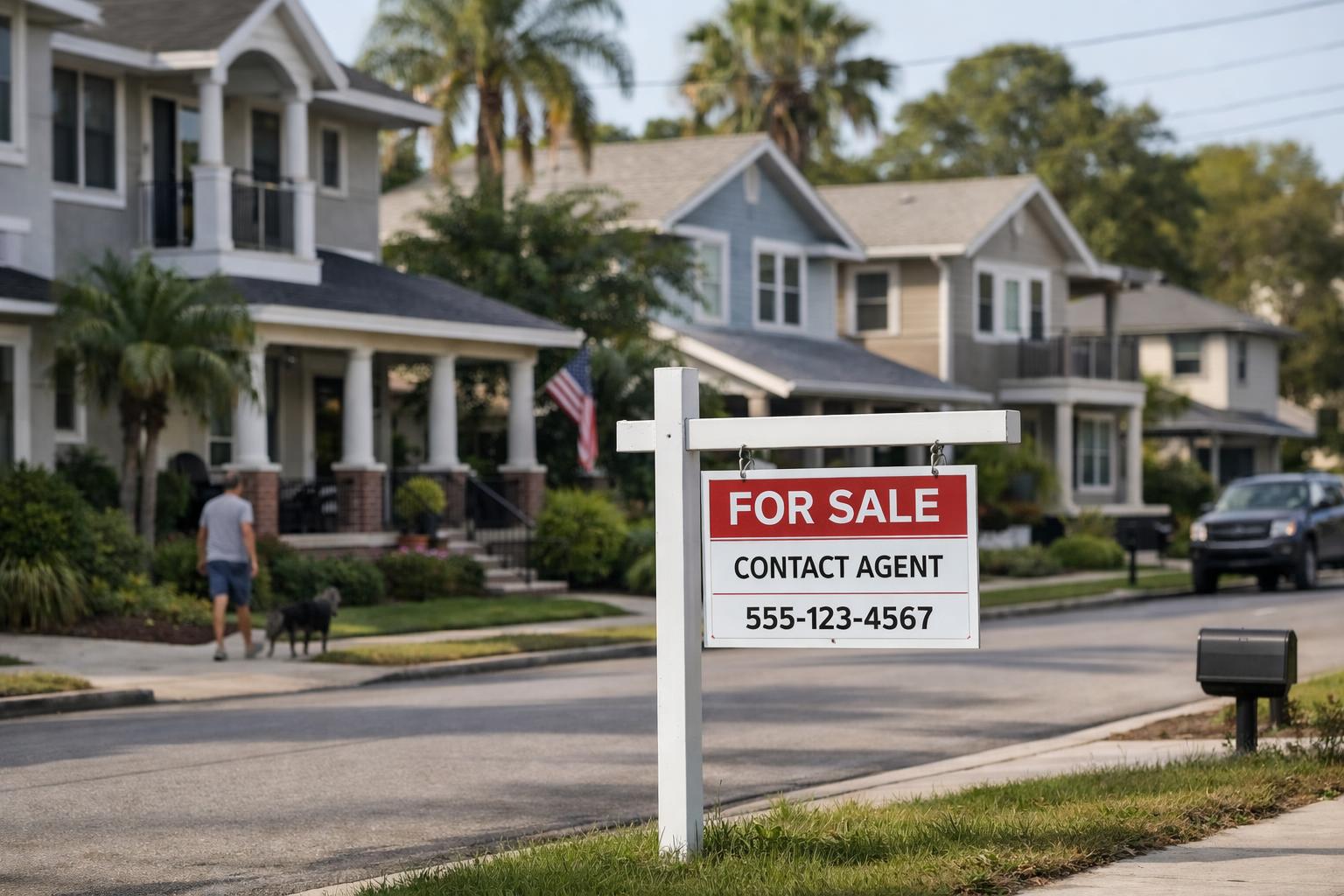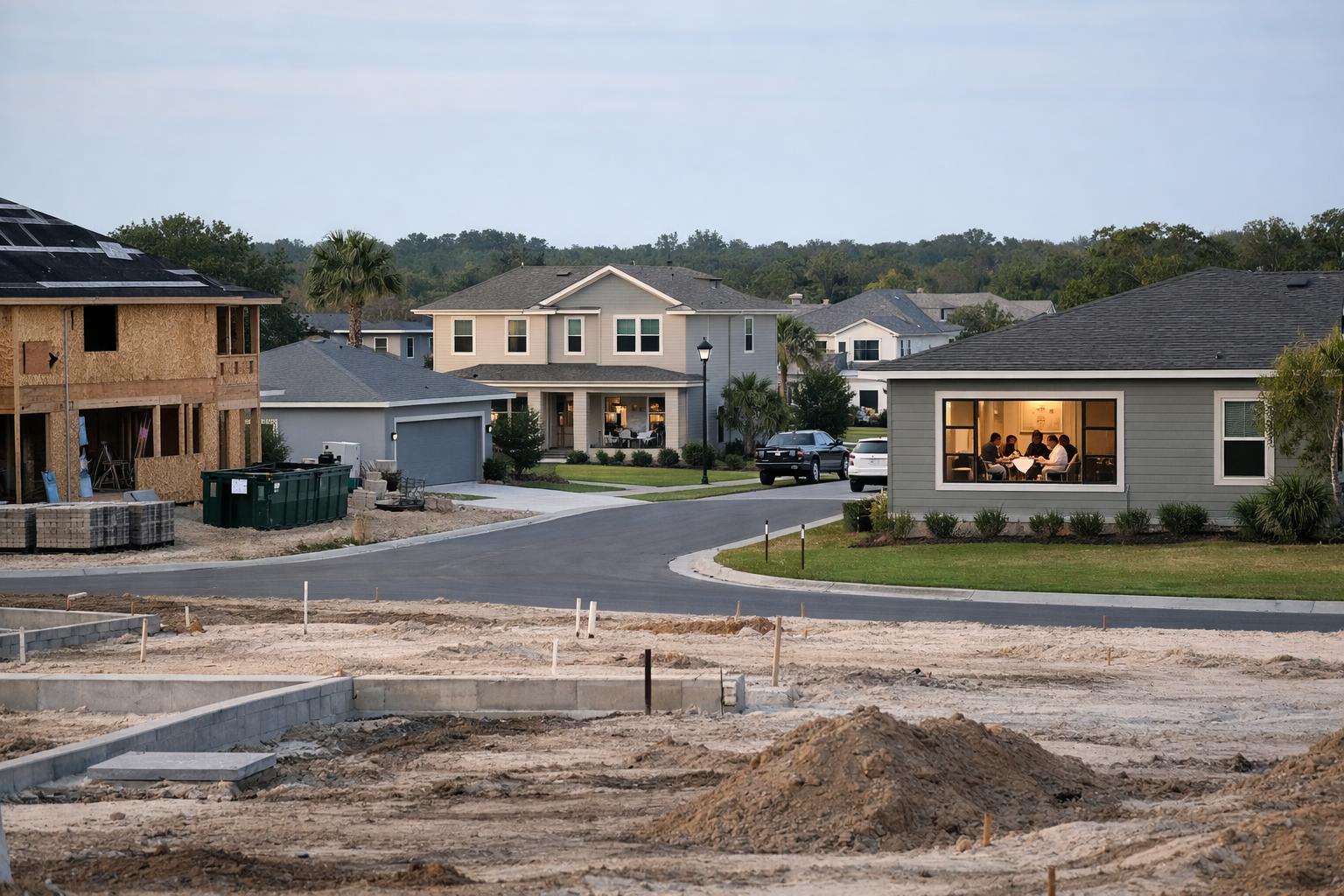


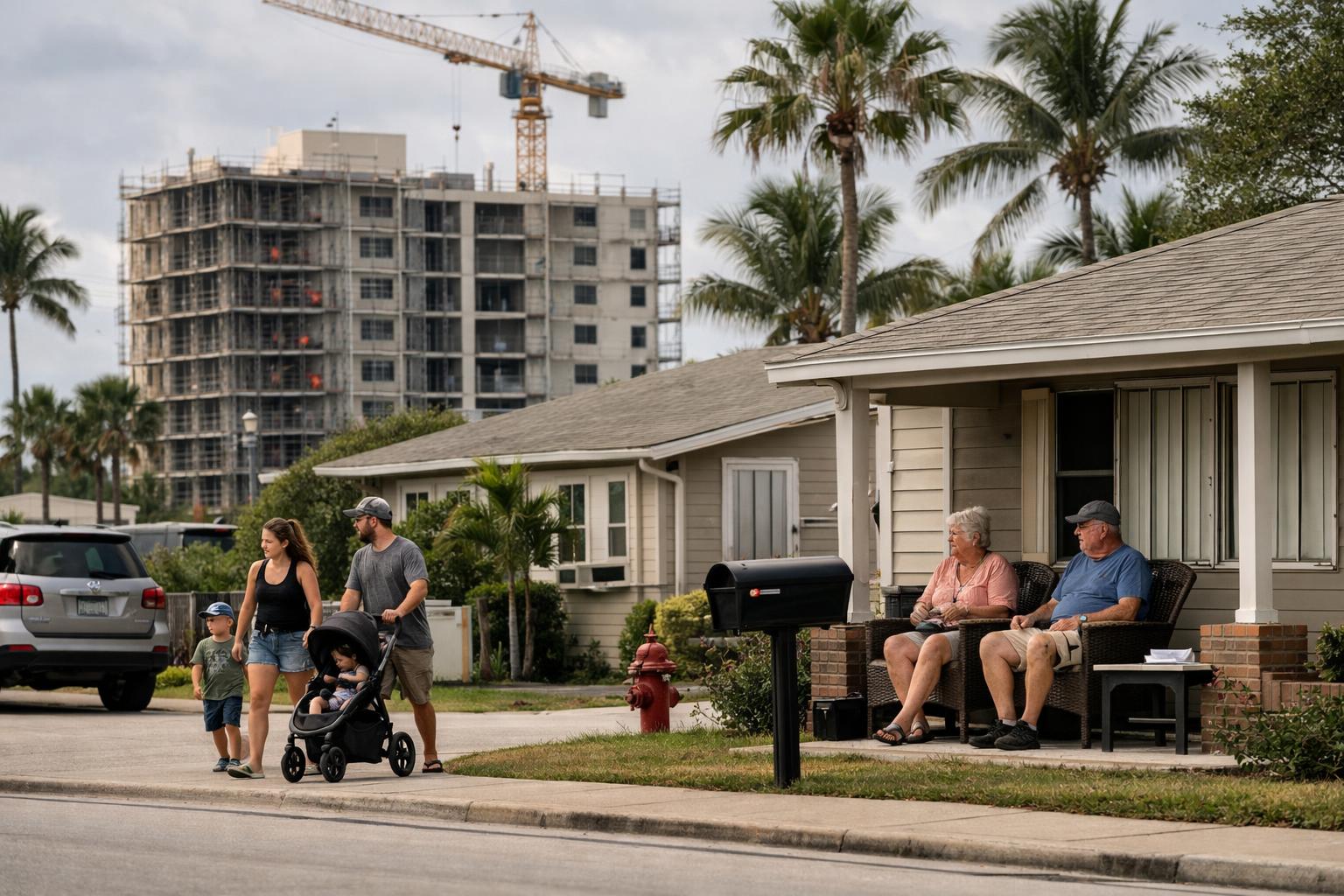
After pandemic-era peaks, domestic moves into Florida have moderated. Younger adults and growing families are shifting away as housing costs and other expenses reshape who can relocate.
Source: Original report
Florida continues to attract new residents, but the pace of domestic in-migration has slowed from its pandemic-era highs. Recent administrative and Census data show fewer net newcomers than in 2021-22, and changes are emerging across age groups that could reshape demand for housing and services.
Sources and the headline numbers
Two primary data sets illuminate recent migration patterns. The Florida Department of Highway Safety and Motor Vehicles publishes driver’s license exchange counts that provide a timely proxy for people moving to and from the state. The U.S. Census Bureau’s American Community Survey (ACS) delivers a more complete but lagged view.
License-exchange totals remain above pre-pandemic averages but are down from the 2022 peak. Florida recorded roughly 393,000 license exchanges in 2025, a level close to 2024 — the lowest figure since the 2022 surge — yet still higher than the pre-pandemic mean of about 358,000.
Age cohorts reveal the shifting story
Looking past totals, the ACS 2024 data show meaningful differences by age. These patterns matter because the age mix of movers affects workforce composition, school enrollment and housing demand.
- Young adults (20–29): This cohort had become a notable source of in-migration during the pandemic recovery, raising hopes for a deeper pipeline of entry-level workers. In 2024 that trend reversed, with more people in their 20s leaving Florida than arriving. Housing and childcare affordability are likely factors as many in this group are transitioning from school to careers and starting independent households.
- Young families and children (under 19 and 30–39): Families with young children were drawn to Florida in 2021–23, boosting numbers for both kids and their parents who moved in. Yet by 2024 the inflow of these groups began to cool. With the national median first-time buyer age rising to about 40, younger prospective buyers face tighter affordability constraints that constrain family mobility.
- Older adults and retirees: Net in-migration among retirees, though still positive, eased in 2024 compared with earlier years. Higher insurance costs, property taxes and special assessments—particularly for condo owners—can make Florida less accessible for people on fixed incomes.
What this means for housing and policy
The data suggest Florida’s rapid population growth phase is transforming into a more complex, maturity-driven market. Key implications include:
- Affordability pressure is reallocating potential demand. Some younger households that might want to move to Florida are choosing lower-cost regions or delaying homeownership.
- Salient cost drivers—insurance premiums, condo assessments and property taxes—disproportionately affect retirees and condo owners, reducing the margin of benefit for some older migrants.
- Local governments and developers face a balancing act: expanding housing supply and child-care options to retain young workers and families, while addressing cost drivers that burden fixed-income residents.
Short-term outlook
Florida’s appeal — sun, beaches and a broadening job market — remains. But a maturing economy brings higher living costs that alter who can practically relocate here. Policymakers and housing stakeholders will need targeted strategies to preserve affordability for entry-level workers and young families while stabilizing costs that affect older residents.
Analysis and commentary in this article draws on driver’s license exchange data from the Florida Department of Highway Safety and Motor Vehicles and the U.S. Census Bureau’s 2024 American Community Survey. Jennifer Warner, economist and director of economic development, provided context on the shifting age-profile of Florida movers.