

New guidelines from Fannie Mae and Freddie Mac will reshape how condo projects qualify for conventional financing, with higher reserve requirements and revised review processes taking effect in 2026 and 2027 — changes with particular weight in Florida's condo-dense markets.
Source: Original report
Major updates to condo financing standards from Fannie Mae and Freddie Mac are set to take effect in 2026 and 2027, altering how lenders evaluate condo projects, what reserve levels associations must maintain and what insurance documentation is required to secure a conventional mortgage.
Streamlined Reviews Are Going Away
One of the most consequential shifts is the elimination of simplified review pathways. Fannie Mae is retiring its Limited Review process, and Freddie Mac is ending its Streamlined Review option. Both allowed qualifying established condo projects to undergo a less rigorous evaluation when a buyer applied for a loan.
Starting with loan applications dated on or after August 3, 2026, those projects will generally need to complete a Full Review — unless a waiver applies. A Full Review requires lenders to scrutinize the condo project itself, not just the borrower's creditworthiness. That means examining the association's budget, reserve funding, insurance coverage, financial health and whether the project meets agency standards.
What a Full Review Covers
- Homeowners association budget and financial condition
- Reserve fund adequacy
- Insurance policy scope and coverage levels
- Project eligibility under agency guidelines
- Overall property condition and compliance
To offset some of that added burden, Fannie Mae is broadening its Waiver of Project Review to cover both new and established condo projects with 10 or fewer units. Smaller associations that meet the agency's conditions may be able to avoid a full project review under this expanded waiver.
Florida-Specific Changes Worth Noting
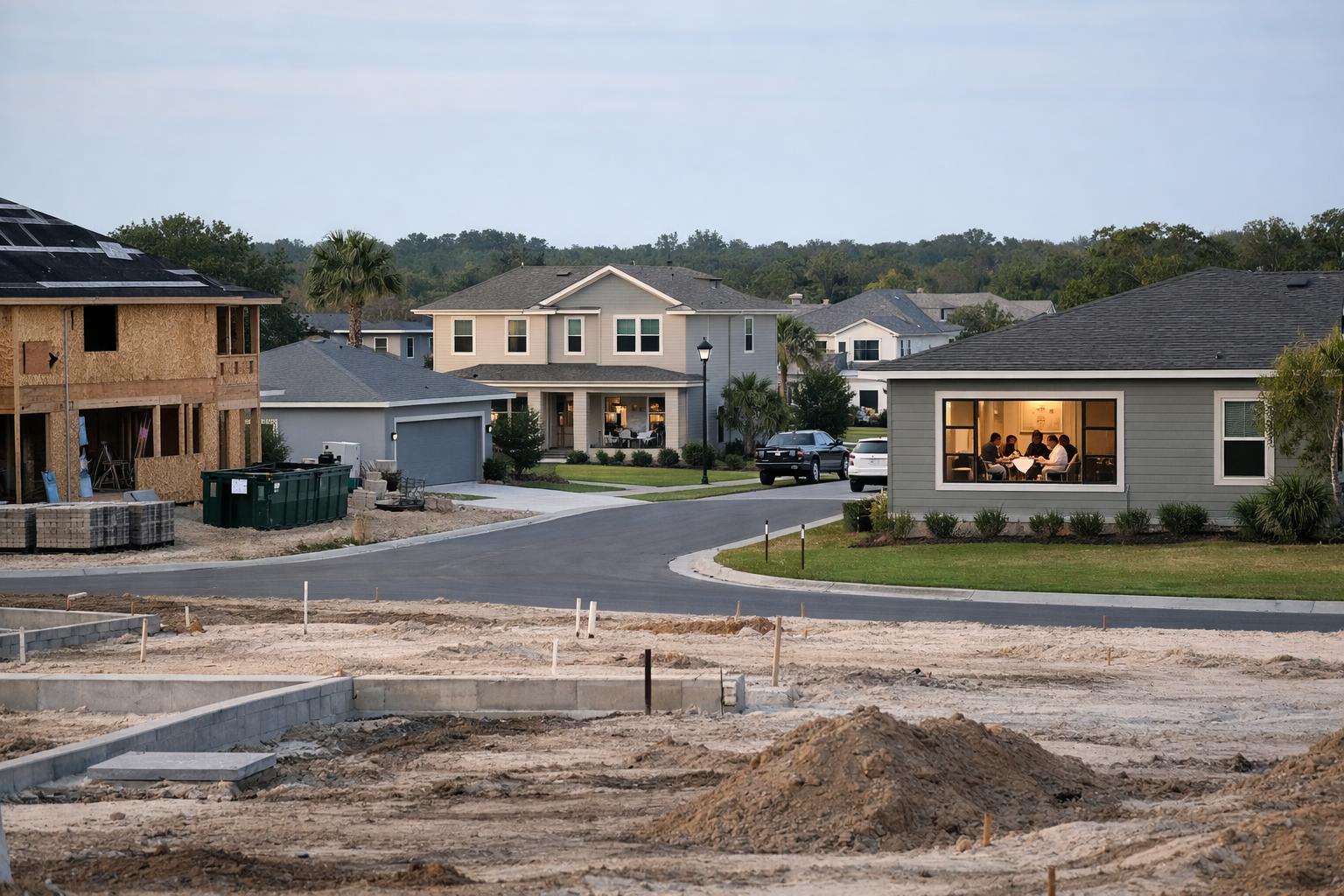
In Florida, Fannie Mae is discontinuing the requirement that newly built or newly converted condo projects with attached units go through its Project Eligibility Review Service. Those projects can now be evaluated through the lender-delegated Full Review process instead — a procedural change that may simplify the path to financing for some new developments in the state.
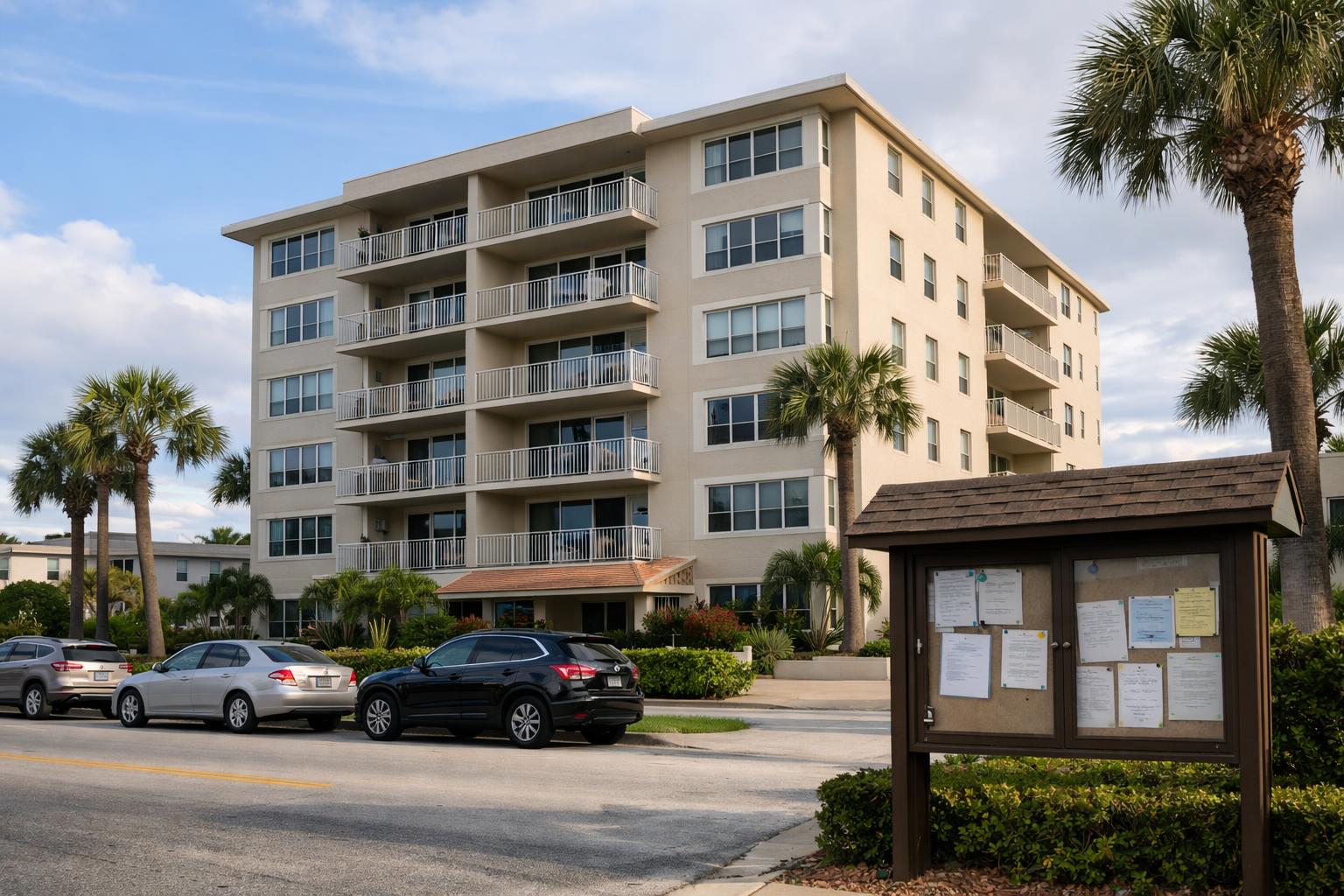
Florida's large concentration of condominiums makes these rule changes more consequential there than in most other states. Buyers, sellers and real estate professionals working in condo-heavy markets should anticipate greater scrutiny of building financials during transactions.
Reserve Requirements Rising in 2027
Beginning in January 2027, the minimum reserve funding threshold for applicable condo loans will rise from 10% to 15% of an association's annual budgeted income. This increase in reserve expectations could affect how well-funded an association needs to appear before a buyer can secure conventional financing on a unit.
For associations that are currently budgeting at or near the 10% floor, this change may require adjustments to reserve studies and annual budgets well ahead of the deadline.
Practical Implications for Buyers, Sellers and Agents
Real estate professionals are advised to review condo documents, reserve studies, insurance policies and project eligibility status early in any transaction. Buyers purchasing units in condo buildings should expect more detailed questions about building finances, and sellers may need to provide clearer documentation to prevent financing delays at closing.
Insurance flexibility updates — including changes related to roof coverage — are also part of the broader policy revision, though the review and reserve changes are likely to have the most widespread impact on day-to-day condo transactions.