

With hurricane season approaching, Florida homeowners should confirm coverage, consider flood insurance and document property to avoid delays when filing claims.
Source: Original report
Check policies before storms form
Florida homeowners should use the weeks before hurricane season to examine their insurance policies and buy any missing coverage. Insurers typically lock down new or upgraded policies once a storm is named, so waiting until a system develops can leave you exposed.
Why flood insurance matters
Standard homeowners policies usually cover wind-related damage but not flooding from storm surge or rising water. If your property is near the ocean, a river, a dam-managed basin or even a creek valley, a separate flood policy — through the National Flood Insurance Program or a private insurer — can protect both structure and contents. Lenders often require flood insurance when a mortgage remains on the home.
Common coverage gaps to watch for
- High wind deductibles and limits, especially for older or compromised roofs.
- Separate flood coverage required for water intrusion from surge or heavy rain.
- Temporary living expenses after a loss may not be included or may be capped.
How to improve your chance of a fair, timely payout
Large storms typically generate a backlog of claims and additional requests for documentation. To reduce friction:
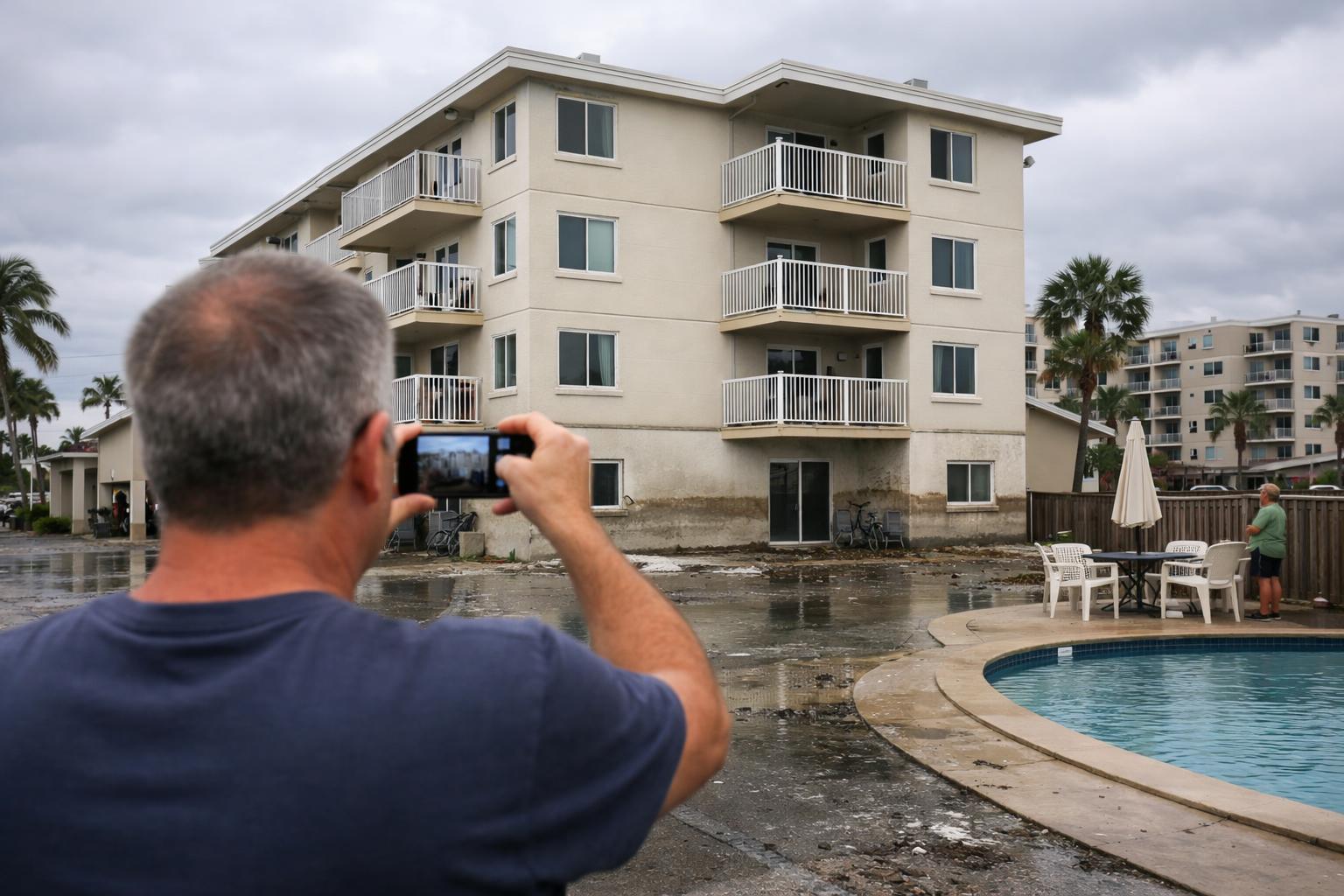
- Document your property now: take dated photos of interiors, exteriors, roofs and major systems.
- Keep receipts for maintenance and any pre-storm repairs or mitigation work.
- Gather ownership and policy records in an accessible folder both physical and digital.
- Communicate regularly with your insurer and ask for claim-status updates.
- Understand that disputes often center on whether damage was caused by wind or flood.
Expect delays and plan accordingly
After major events, settlements can take months. Florida’s experience with two storms in 2024 highlighted slow processing, contested coverage decisions and ongoing unpaid municipal claims. Hiring a public adjuster or mediator can help in complex cases, but it may not speed every claim and usually carries fees.
Quick preparedness checklist
- Confirm wind and flood coverage now — don’t wait for a named storm.
- Store digital copies of policies, photos and receipts offsite or in the cloud.
- Note temporary housing terms in your policy and consider contingency plans.
- Photograph any post-storm damage immediately and keep all repair estimates.
- Maintain frequent contact with your insurer until the claim is resolved.
We all hope for a calm season, but taking these steps ahead of time can reduce stress and speed recovery if a storm does strike.