


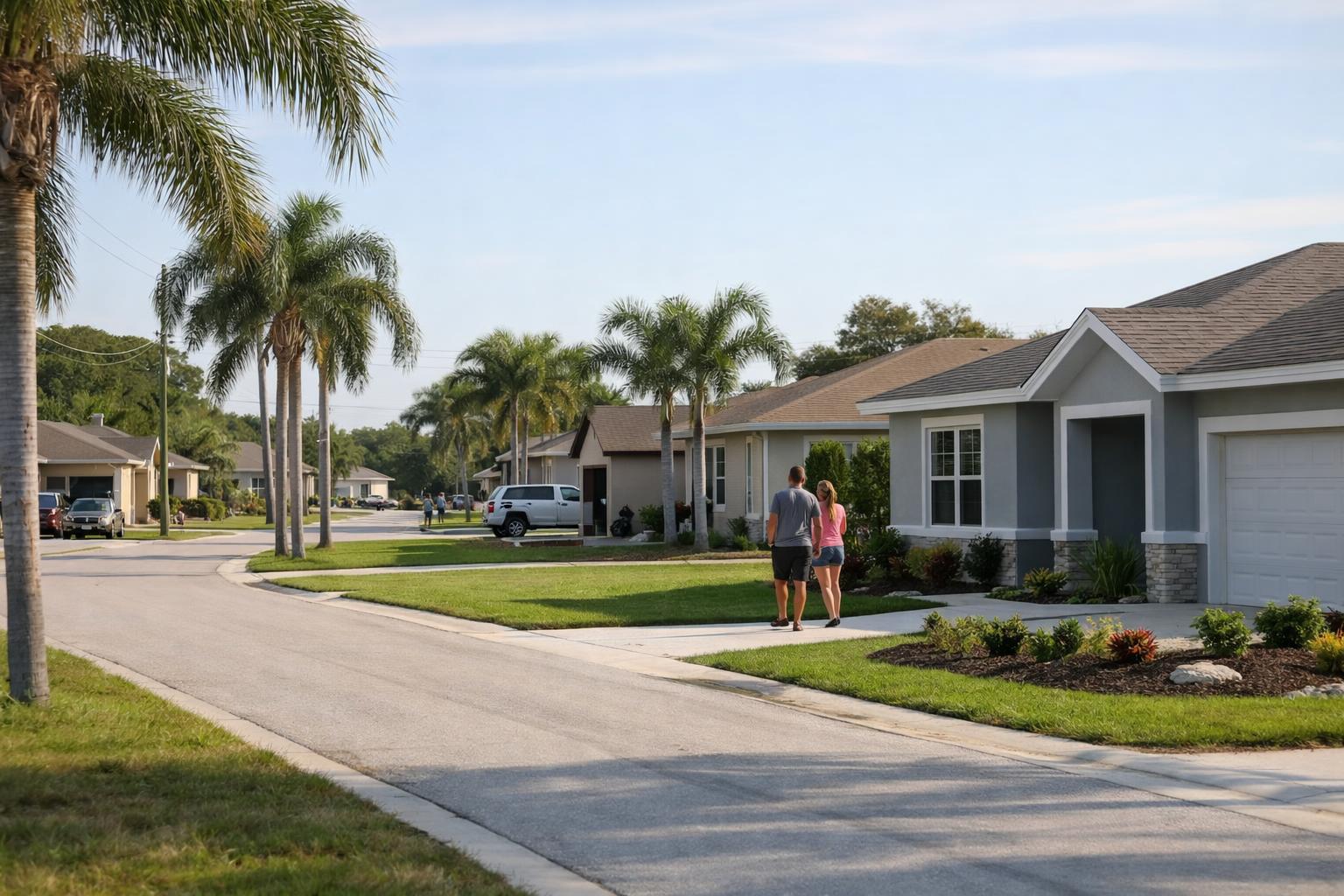
Florida claimed seven of the top 15 metros nationally for millennial homeownership growth between 2018 and 2023, with North Port leading the country and Orlando topping renter growth, according to a RentCafe analysis.
Source: Original report
Florida Dominates Millennial Housing Growth Rankings
New data from RentCafe paints a striking picture of generational migration: Florida has become a primary destination for millennials seeking both homeownership and rental housing. Analyzing U.S. Census figures from 2018 to 2023, RentCafe found that seven of the nation's top 15 metros for millennial homeownership growth were located in Florida — a concentration unmatched by any other state.
The study defined millennials as individuals born between 1981 and 1996, a cohort that was moving squarely through its prime household-forming years during the five-year window examined.
North Port Leads the Nation, Lakeland and Jacksonville Follow
North Port ranked first in the country for millennial homeownership growth, with millennial-headed owner households rising 166% to reach 35,144. Lakeland came in second with growth approaching 141%, and Jacksonville placed third at roughly 126% growth. Palm Bay, Deltona, Orlando and Miami also earned spots among the top 15 nationally.
Florida also swept the top five positions for the largest increases in millennial renter households over the same period, underscoring that the generation's expansion across the state extended well beyond homebuying.
Population Growth and Life Stage Both Played a Role
Jennifer Warner, Florida Realtors' director of economic development and commercial research, pointed to two converging forces behind the numbers. First, the millennial generation aged into peak household-formation territory during the study period — members were between 22 and 37 years old in 2018 and between 27 and 42 by 2023. Second, Florida's overall millennial population expanded by roughly 400,000 people during that span, enlarging the pool of potential buyers and renters alike.
Affordability Shapes Where Millennials Land
The path millennials took — renting versus buying — varied considerably by market. Some metros attracted buyers with more square footage per dollar or lower entry-level price points, while cities with robust job markets and lifestyle amenities continued to draw renters who weren't ready or able to purchase.
Affordability constraints remained a real factor across the board. Median home prices in the Florida metros analyzed ranged from approximately $339,000 in Pensacola to around $460,000 in Miami. For households under 40, that translated to roughly 4.2 to 5 times local household income — a ratio that underscores the financial stretch many younger buyers still face even in markets with relatively strong growth.
What the Trend Signals for Florida's Housing Market
The data suggests Florida's housing market is being reshaped by demographic momentum as much as by economic migration. As more millennials age into their 30s and early 40s, demand for both starter homes and mid-tier rental units is likely to remain elevated across the state's major and mid-sized metros. For sellers, builders and landlords, this generational wave represents a durable source of demand that extends well beyond any single economic cycle.