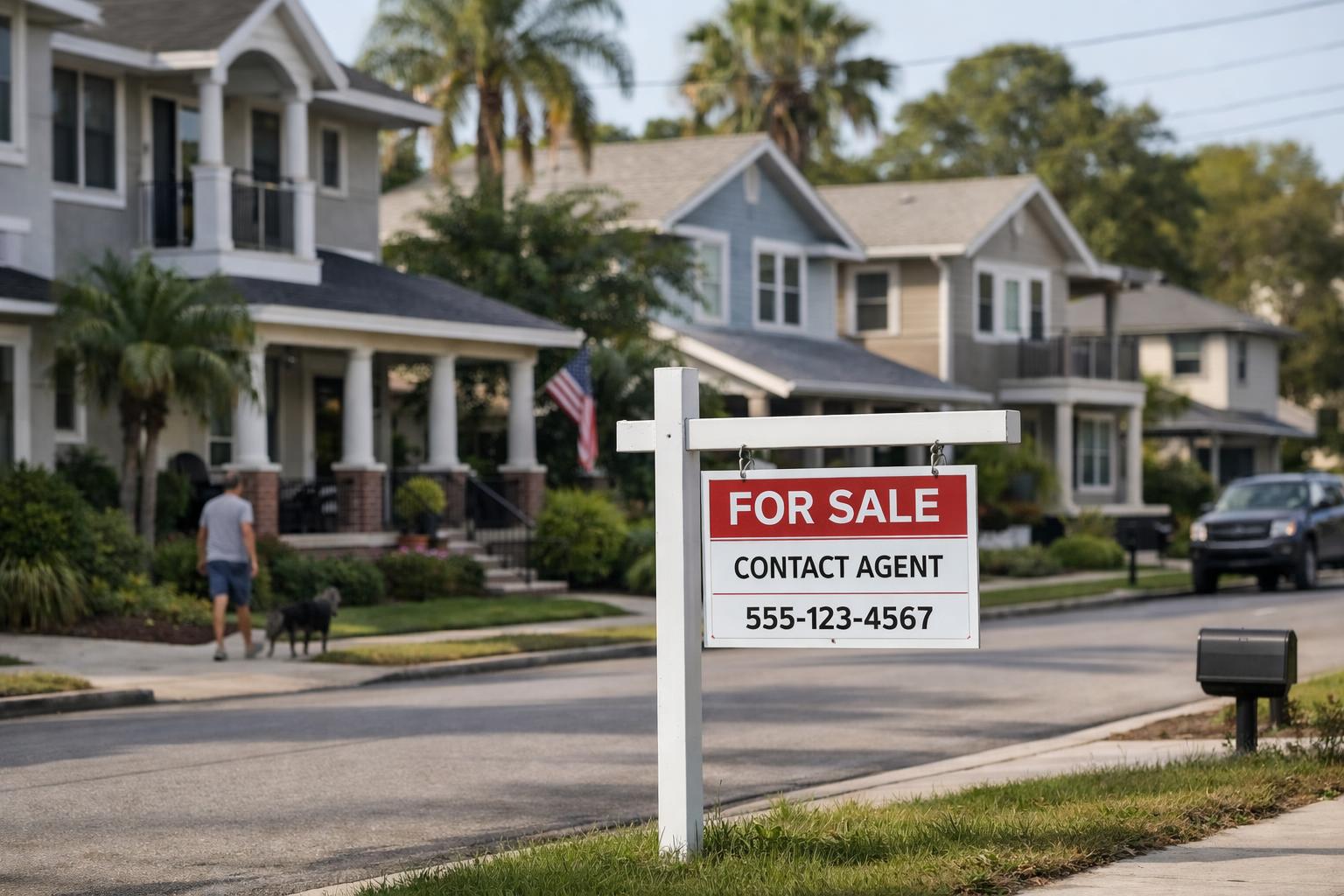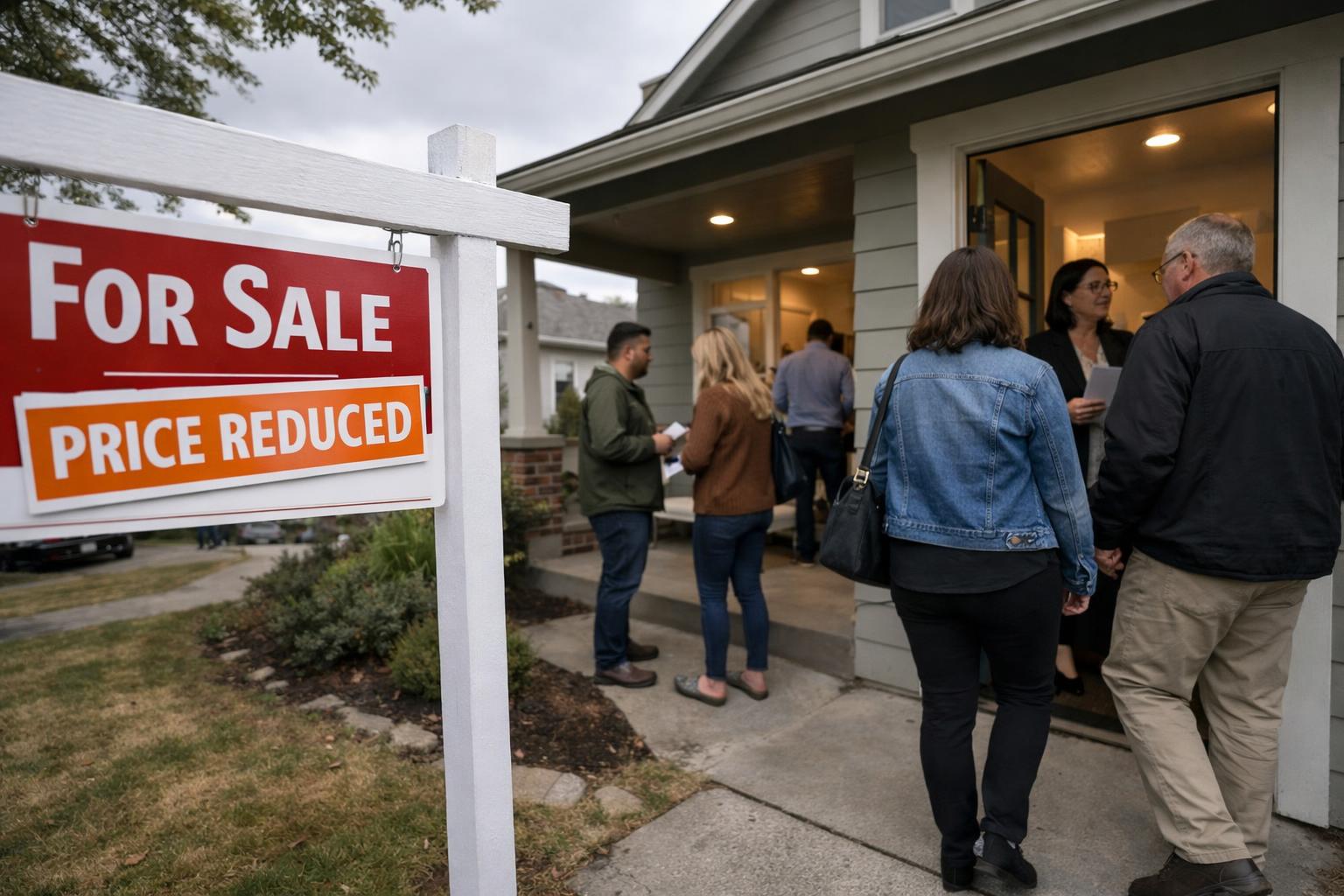


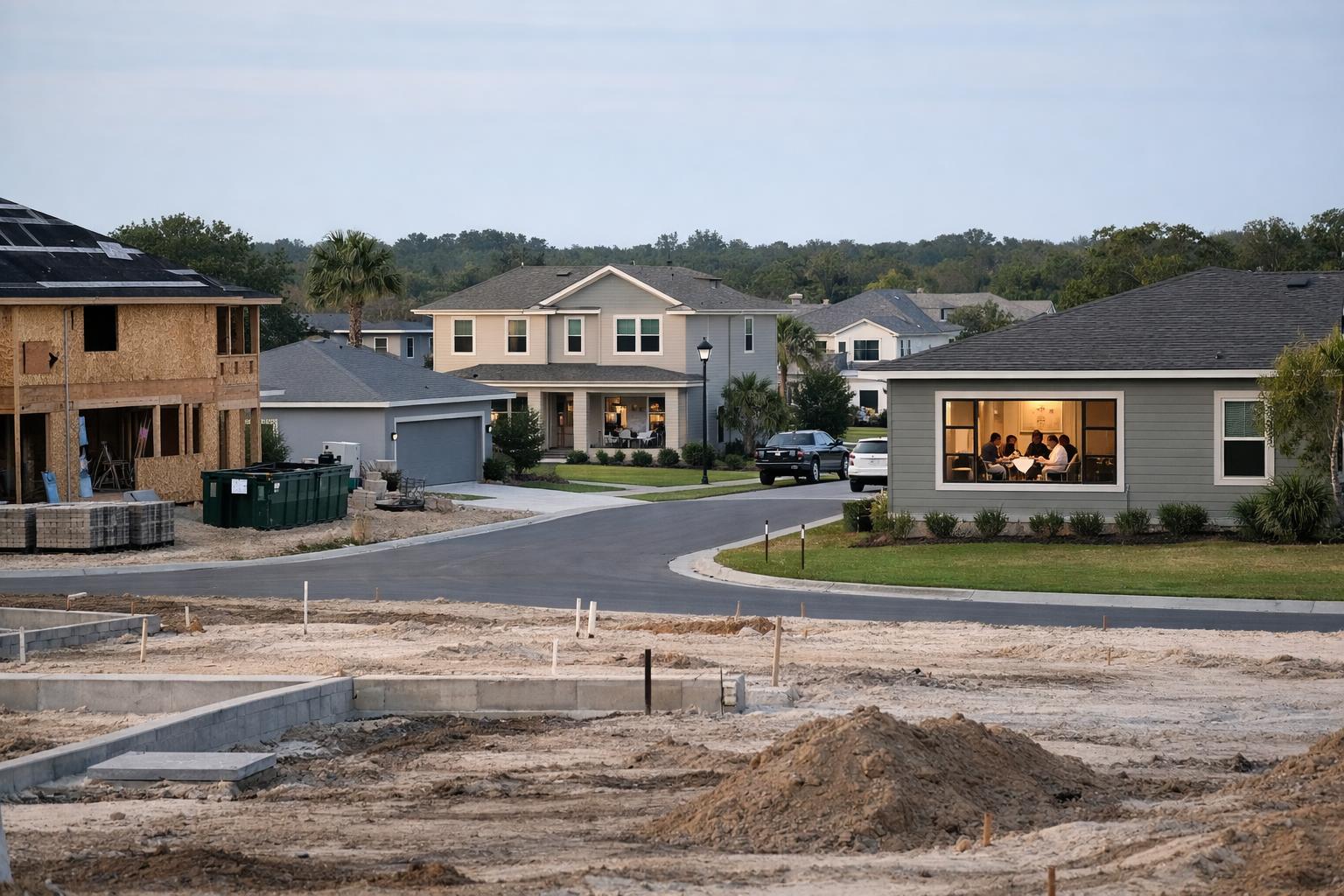
The benchmark 30-year fixed-rate mortgage held steady at 7.40%, marking the end of a seven-week increase. The 15-year rate dipped to 6.71%, Freddie Mac reported.
Source: Original report
The 30-year fixed-rate mortgage held steady at 7.40% this week, ending a seven-week streak of increases, according to Freddie Mac. This pause comes as mortgage rates reach their highest level in nearly three years, presenting challenges for homebuyers in Florida and across the U.S.
Context: A Volatile Market
Mortgage rates are influenced by a complex interplay of factors, including inflation, Federal Reserve policy, and bond-market investor expectations. The recent climb in rates reflects heightened volatility in the bond market, which has pushed up yields on U.S. Treasurys—key benchmarks for lenders pricing home loans.
The 30-year rate has been on an upward trajectory since late February, driven by geopolitical tensions and rising inflation. The current average of 7.40% is the highest since November 2023, when it peaked at 7.44%. Comparatively, rates were significantly lower at this time last year, with the 30-year average at 6.27%.
What the Numbers Mean for Borrowers
Higher mortgage rates translate to increased borrowing costs for homebuyers. For example, a $400,000 loan at 7.40% would cost approximately $2,825 per month in principal and interest, compared to $2,560 at 6.27%. Over the life of a 30-year loan, this difference adds up to tens of thousands of dollars in additional interest.
While the 30-year rate held steady, the 15-year fixed-rate mortgage saw a slight decrease, dropping to 6.71% from 6.73% last week. This rate is often preferred by homeowners looking to refinance, though the current average remains higher than the 5.52% recorded a year ago.
Impact on the Housing Market
The prolonged rise in mortgage rates has contributed to a slowdown in U.S. home sales this year. Higher rates reduce homebuyers' purchasing power, as monthly payments become more expensive. This has led many prospective buyers to delay their home-purchasing plans, creating a challenging environment for sellers and real estate agents.
In Florida, where housing demand has been robust, the impact of higher rates may be particularly acute. Buyers in competitive markets may face additional pressure as affordability becomes a growing concern.
What to Watch Next
Moving forward, all eyes will be on the Federal Reserve and inflation data. If inflation continues to rise, mortgage rates may follow suit, further tightening the housing market. Conversely, signs of cooling inflation could ease pressure on rates and provide some relief to homebuyers.
Real estate professionals and buyers alike should stay informed about economic trends and policy changes that could influence mortgage rates. Adjusting expectations and financial strategies accordingly will be key to navigating this volatile market.