

A new ALEC index ranks Florida No. 1 for recent economic performance and 10th for policy-driven future outlook, driven by migration, job gains and tax policy.
Source: Original report
A newly released analysis places Florida at the top of the nation for economic performance while ranking the state among the leaders on forward-looking policy measures. The American Legislative Exchange Council’s Rich States, Poor States index evaluates state competitiveness using a mix of past performance indicators and policy-driven outlook metrics.
How the index works
The report separates backward-looking performance from forward-looking policy conditions. Performance measures track recent outcomes such as employment growth, population inflows and increases in economic output. The outlook score assesses factors tied to taxes, regulation and fiscal stability that can influence future competitiveness.
Why Florida scored well
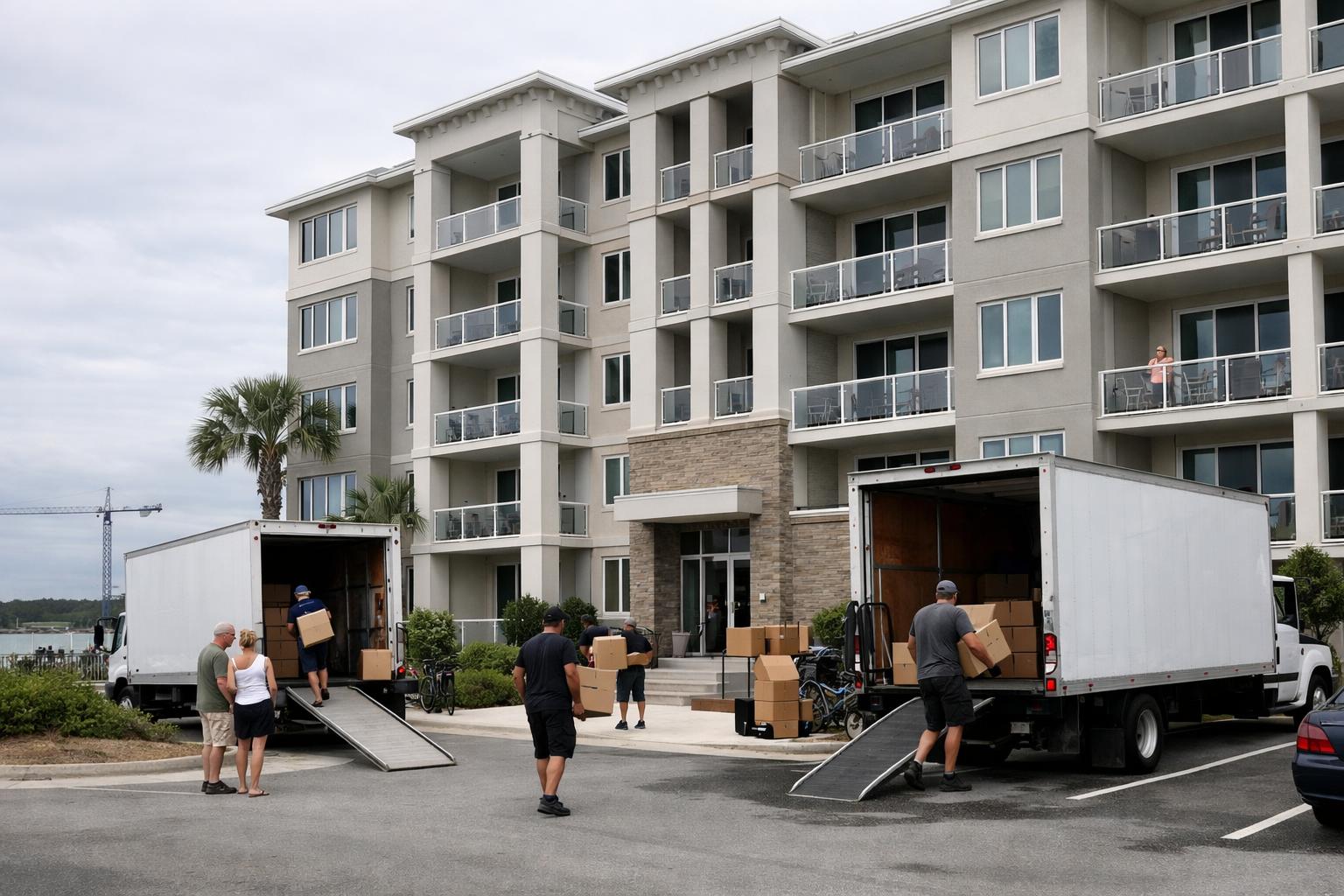
- Net domestic migration: more than 2.2 million people moved to Florida over the last decade, according to the report.
- Job growth: the state recorded roughly 25% employment growth over that period.
- Economic output: sustained gains in gross domestic product contributed to the top performance ranking.
- Policy environment: Florida’s tax structure — notably the absence of a personal income tax — and regulatory stance supported a higher outlook score.
What this means for housing
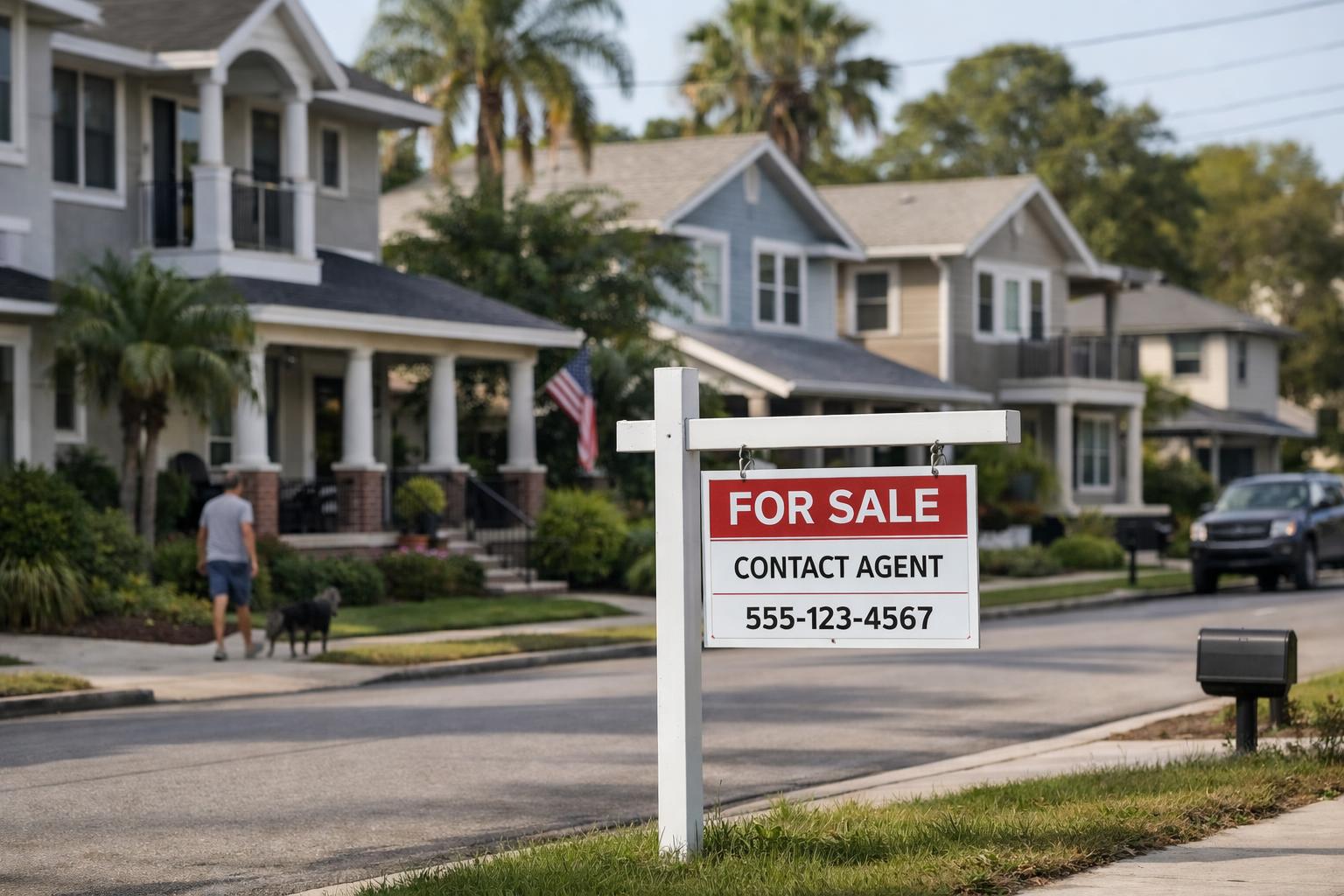
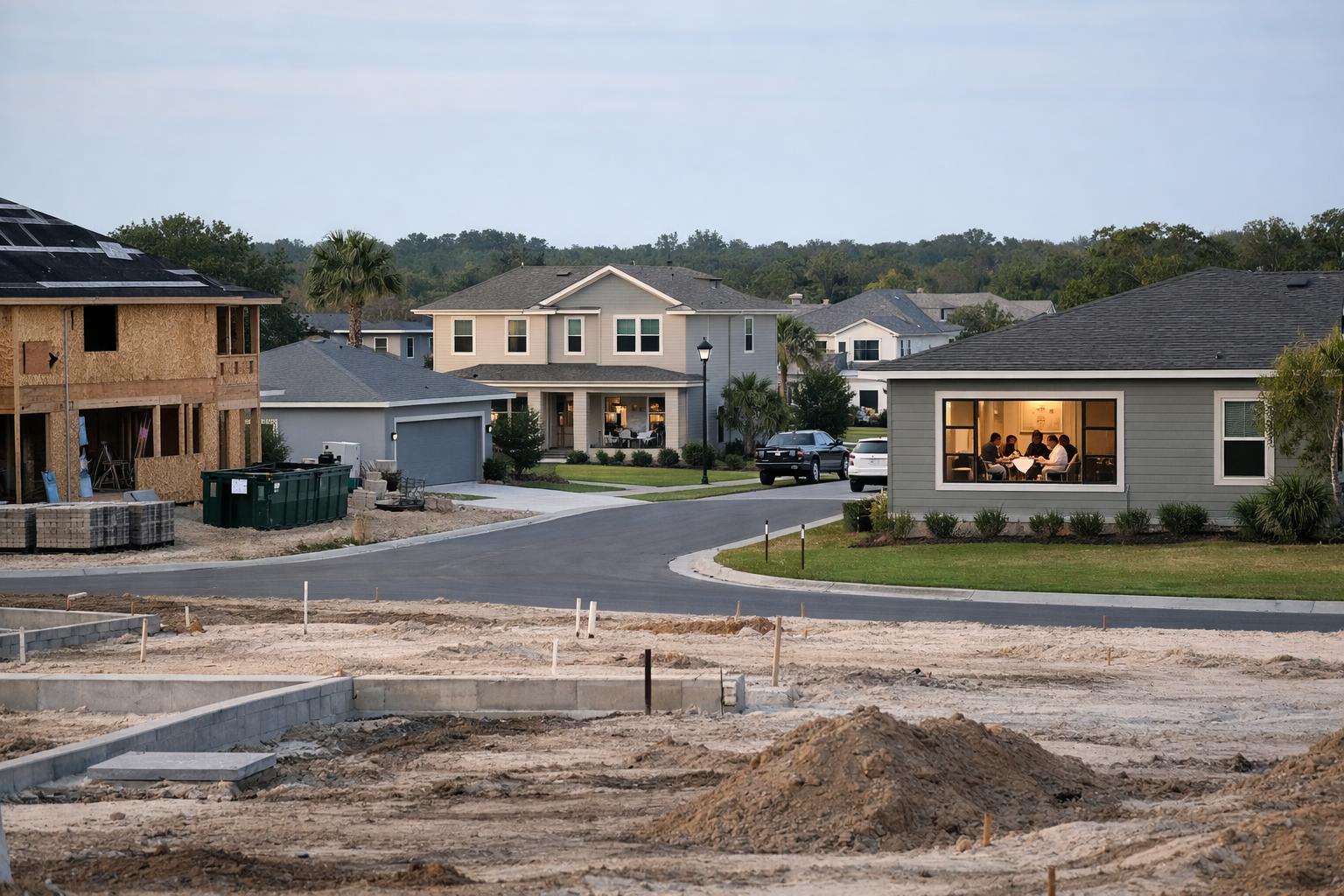
Strong migration and employment gains have underpinned demand for housing across Florida, shaping both resale and new-construction activity. State budget and policy choices can influence housing priorities by affecting land-use rules, funding for infrastructure and incentives for development.
Context and use
The Rich States, Poor States index is in its 19th edition and has been a reference point for lawmakers and analysts since 2007. Its findings highlight the relationship between state policy settings and economic outcomes, and they are often cited when debating taxation, regulation and growth strategies.
Related coverage: Budget session could shape housing priorities; Florida migration slows, but buyers still coming; Rate-locked homeowners still reluctant to sell.