

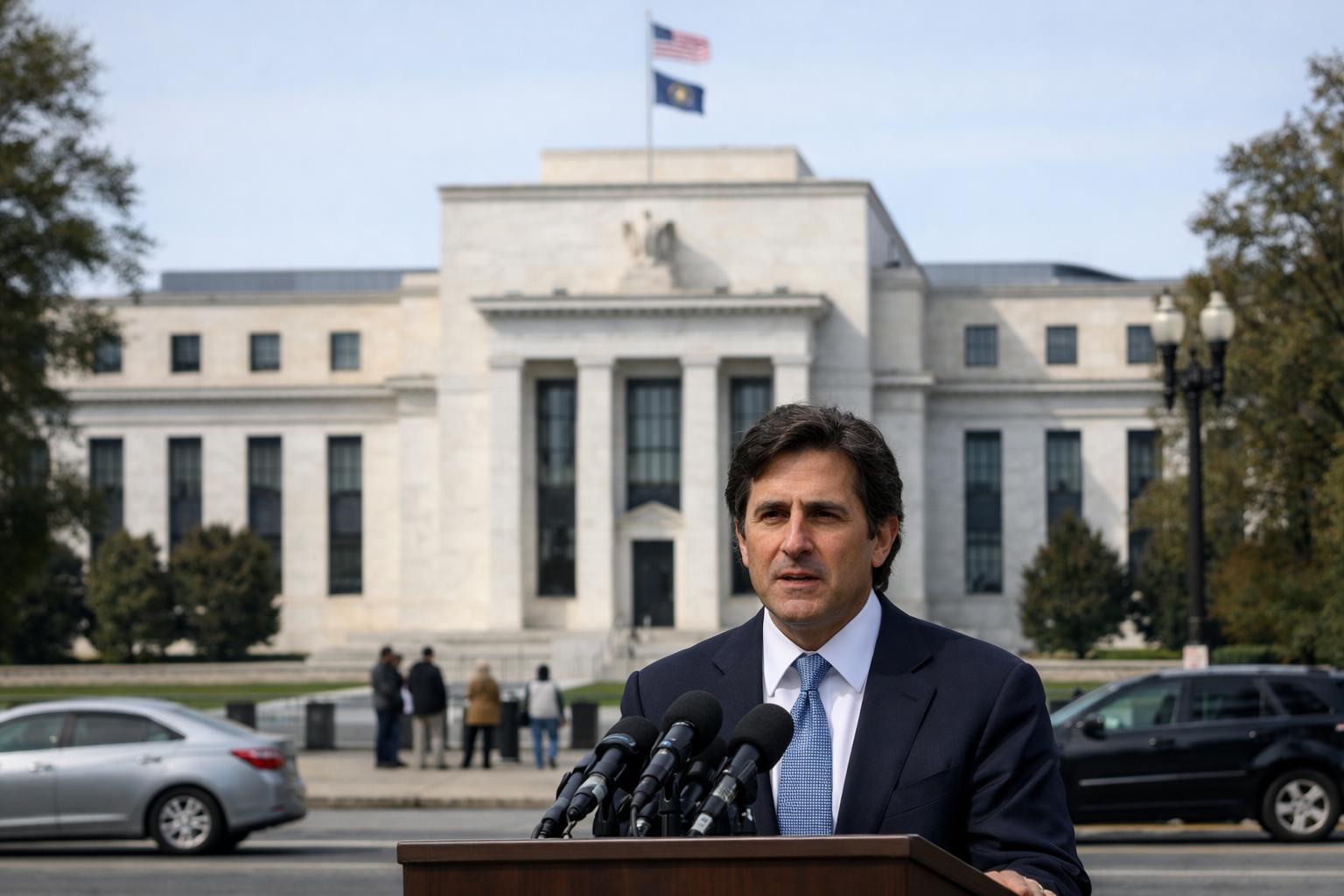
The Federal Reserve maintains current rates but indicates a potential increase in December due to strong economic conditions and persistent inflation.
Source: Original report
The Federal Reserve has chosen to keep interest rates unchanged during its October 2026 meeting, a move widely anticipated by market observers. However, the central bank has strongly hinted at a rate hike at its next meeting on December 9th.
The Fed's decision reflects a delicate balance between addressing high inflation and acknowledging the strength of the U.S. economy. Chairman Kevin Warsh emphasized that while financial conditions are not yet tight enough to curb inflation, the Fed remains committed to achieving price stability.
The Fed's Dilemma: Strong Economy vs. High Inflation
The Federal Open Market Committee voted 10-2 to maintain current rates. The dissenting votes originated with Cleveland Fed President Beth Hammach and Fed Governor Lisa Cook, who usually favors lower rates. This unexpected opposition highlights the internal discussions within the Fed regarding the right policy direction.
Chairman Warsh's comments suggest that the Fed is not yet finished with its rate hikes. 'We haven't achieved price stability, but we're working on it,' he stated, indicating that future increases may be necessary to bring inflation under control.
Data-Driven Decision Making
The December rate hike will largely depend on economic data released between now and then. If the data aligns with expectations, a rate increase appears highly likely. This approach reflects the Fed's willingness to be patient and data-driven, even as it acknowledges the need for further tightening.
Changes to Fed Meeting Structure
In addition to the rate decision, Chairman Warsh announced significant changes to the Fed's meeting structure starting next year. Beginning in fall 2027, the Fed will hold eight meetings annually, but only seven will be 'live' meetings where rate policy is voted on and statements are released. The eighth meeting will be dedicated to broader monetary policy strategy discussions.
By 2028, this ratio will shift further, with two out of eight meetings reserved for big-picture deliberations. While this represents a notable shift in Fed practice, Warsh clarified that emergency meetings could still be called if economic conditions warrant immediate action.
What This Means for Homebuyers and Borrowers
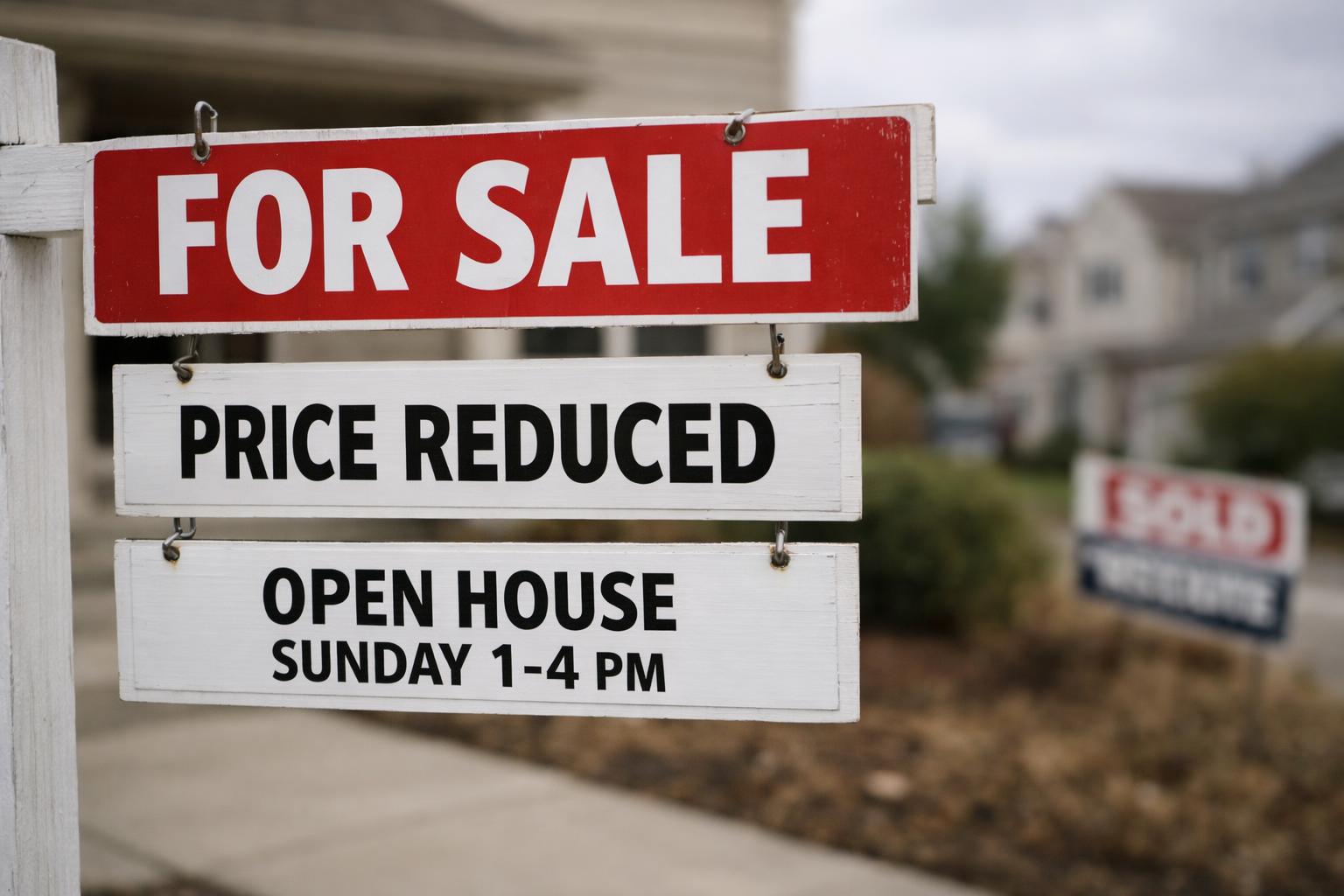
The prospect of a December rate hike has implications for the housing market and borrowers. Higher interest rates can increase the cost of mortgages and other loans, potentially cooling demand in the housing sector. However, the Fed's cautious approach suggests that rate increases will be gradual, providing some predictability for market participants.
For now, homebuyers and borrowers should stay informed about upcoming economic data releases and be prepared for potential changes in financing costs. The Fed's commitment to achieving price stability, coupled with its willingness to adapt to new data, underscores the importance of monitoring these developments closely.