


Redfin data reveals a significant shift in the U.S. housing market, with buyers holding more negotiating power than they have in over a decade.
Source: Original report
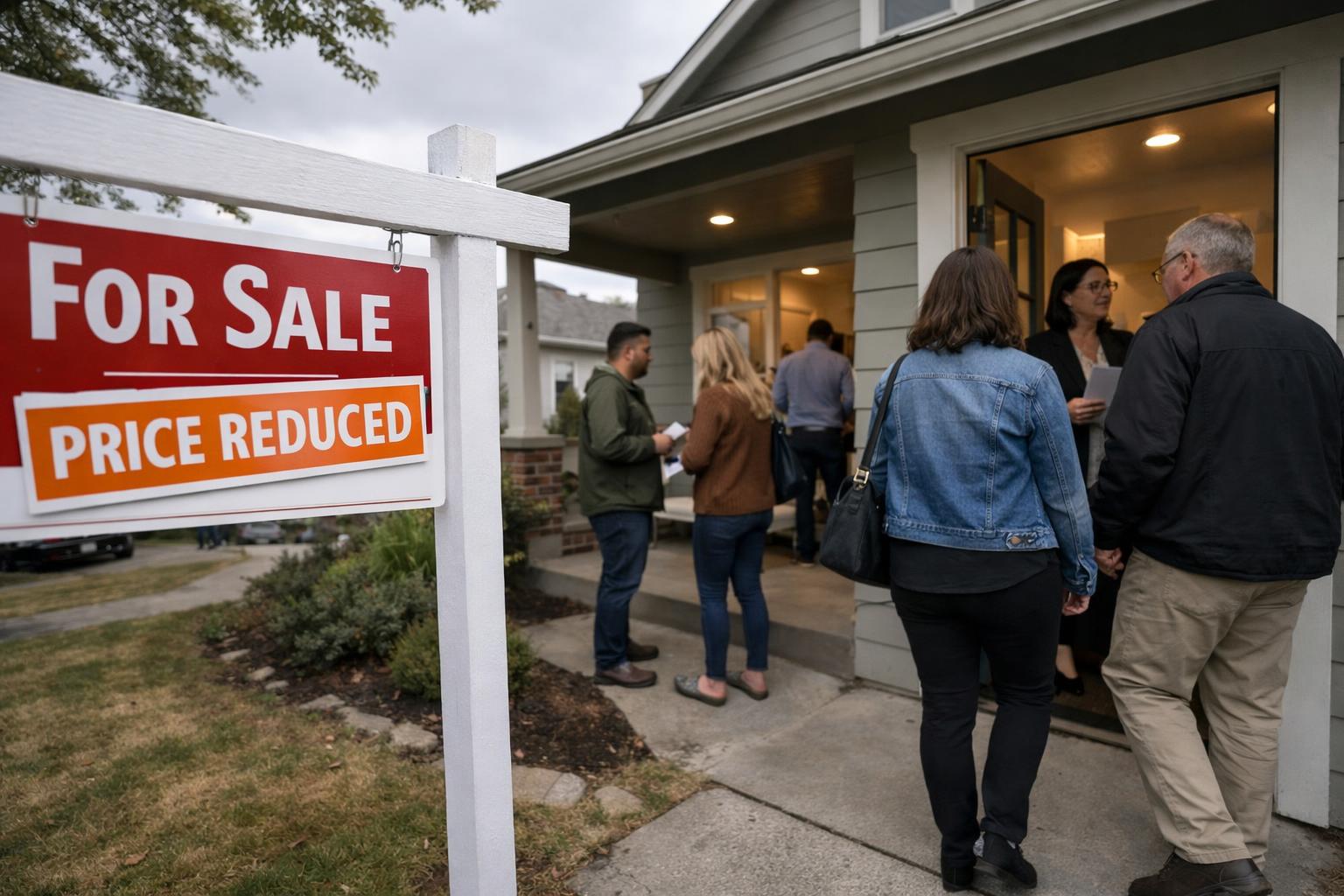
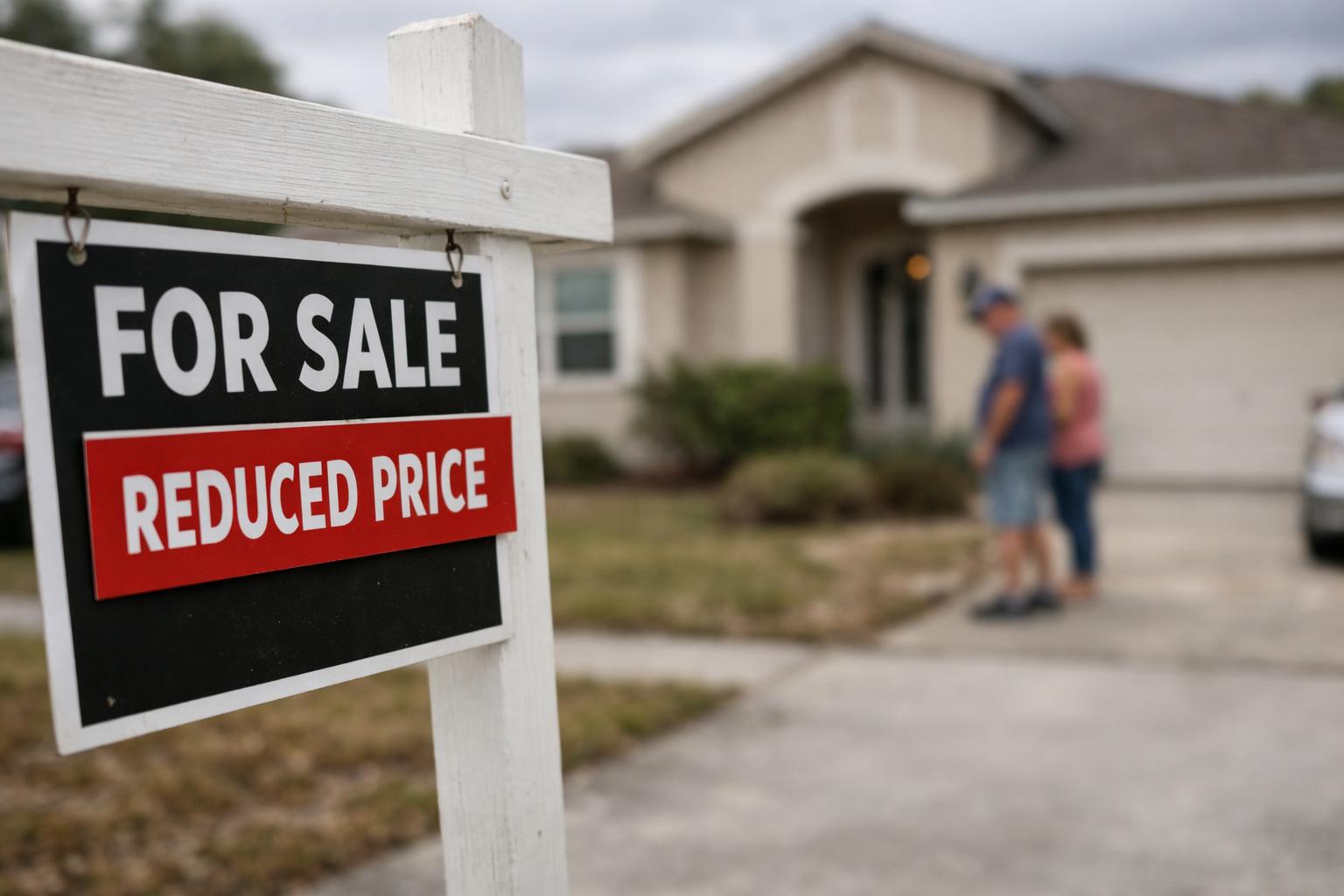
In a notable shift in the U.S. housing market, home sellers now outnumber buyers by 63%, the largest gap recorded since 2013, according to Redfin's latest data. This reversal of fortune for buyers is driven by a combination of economic uncertainty, high housing costs, and a surge in sellers entering the market.
A Market Tilting Toward Buyers
The number of buyers in the market has dropped to its lowest point in records dating back to 2013. Meanwhile, the number of sellers has reached its highest point since 2020. This imbalance has created a buyer's market in 41 of the 50 most populous U.S. metro areas, the most ever recorded by Redfin. Miami, Nashville, and Houston lead this trend, with the Sun Belt driving the extreme buyer's market nationwide.
When sellers outnumber buyers, buyers typically gain more negotiating power. This dynamic allows them to be more selective, negotiate better terms, and even walk away if a deal doesn't meet their financial goals. However, this buyer's advantage is tempered by high housing costs and economic uncertainty, which have priced out many would-be buyers.
The Numbers Behind the Shift
In September, there were an estimated 928,892 homebuyers nationwide, a decrease of 2.4% from the previous month. Meanwhile, the number of home sellers rose to 1,510,784, a 1.2% increase month over month. The gap between sellers and buyers widened to 62.6%, up from 56.9% in August.
The increase in home listings is partly due to homes lingering on the market without finding buyers. Many homeowners, after years of waiting for better market conditions, have decided to list their properties now to avoid potential price drops in the future. Others are selling due to life changes such as new jobs, growing families, divorce, or retirement.
Regional Differences
The Sun Belt, especially Texas and Florida, includes some of the nation's largest buyer's markets. The robust homebuilding in these regions has contributed to a buildup of inventory, giving buyers more options and negotiating power. In Florida, rising HOA and insurance fees have further cooled demand.
In contrast, only five major metro areas were seller's markets in September: Nassau County, NY; Montgomery County, PA; Newark, NJ; Milwaukee; and San Francisco. These areas have limited homebuilding, keeping housing supply tight and driving up home prices.
What's Next?
While buyers have more negotiating power than they've had in years, high housing costs and economic uncertainty continue to challenge the market. Asad Khan, a senior economist at Redfin, notes that this is a buyer's market born out of caution, not strength. For those who can afford to buy, the current conditions present a unique opportunity to negotiate and find the right home.
Looking ahead, the balance of power between buyers and sellers will depend on several factors, including mortgage rates, home prices, and economic conditions. As the market continues to evolve, staying informed and working with a knowledgeable real estate agent will be crucial for both buyers and sellers.