

Price reduction rate rises slightly, signaling a strong buyer's market with nuanced regional differences.
Source: Original report
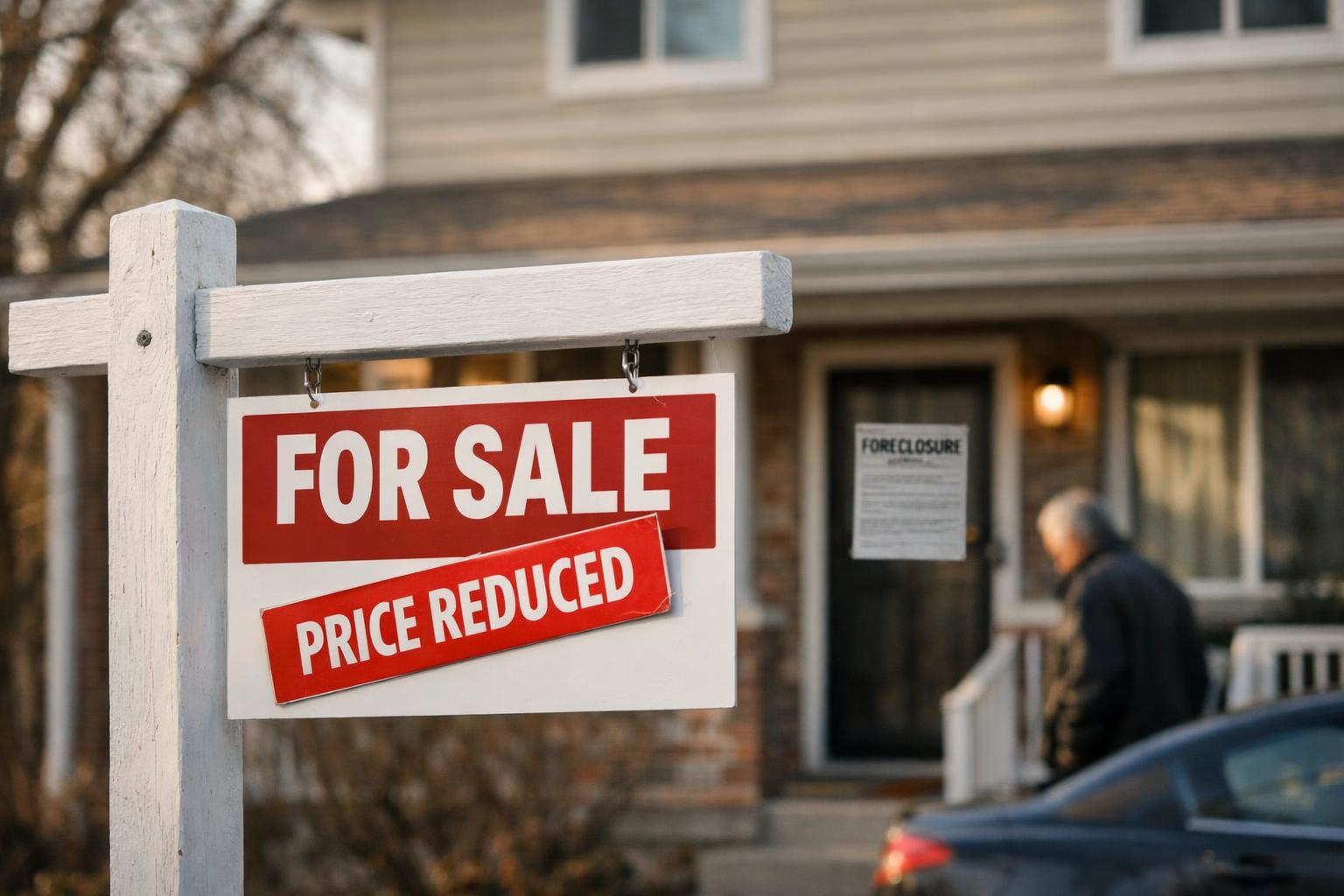
U.S. home sellers are reducing asking prices at the highest September rate on record, with 21% of active listings seeing price cuts in the four weeks ending September 20. This marks a slight increase from 19.8% a year earlier, according to Redfin's analysis of MLS data.
While this might initially suggest a soft market forcing price corrections, the reality is more nuanced. The modest increase in price drops—despite fading bidding wars and homes lingering on the market—indicates that many homeowners are opting to wait before listing or delisting properties rather than accepting lower offers. Some sellers are pricing realistically from the outset, reflecting current market conditions rather than anchoring to peak 2021 prices.
Regional Variations Highlight Market Dynamics
Price drop rates vary significantly across the country, reflecting local market conditions. Denver leads the nation with 30.9% of sellers reducing asking prices, followed closely by Indianapolis (29.9%). Among the Texas metros, San Antonio saw 26.8%, Dallas 26.6% and Austin 26.1%. These areas represent strong buyer's markets, where sellers must compete aggressively to attract buyers.
In contrast, San Francisco experiences the fewest price drops, with just under 10% of sellers reducing asking prices. The city's hot market, fueled by AI-driven wealth, creates a seller's market where buyers compete for limited inventory. Other metros with low price drop rates include Newark, NJ (12.2%), Chicago (13.3%), New York (13.6%) and Miami (13.7%).
Strategies for Sellers and Buyers
For sellers, pricing realistically from the beginning is crucial. Asad Khan, a senior economist at Redfin, noted that homes sell faster when priced appropriately from the start. He warned that sellers may be relying on outdated comparable sales or being overly optimistic about triggering competitive offers.
Price cuts aren't necessarily a failure—they may indicate that the initial asking price was too ambitious. Services like Redfin Early Access allow sellers to test the market before officially listing, helping them arrive at a competitive price.
For buyers, the flattening price drop rate doesn't mean reduced bargaining power. Instead, it suggests that buyers' influence is being felt earlier in the process, with more realistic asking prices from the start. Buyers should consider offering below asking price on homes that have been on the market for over a month and requesting concessions, such as money toward repairs or closing costs.
What to Watch Next
As mortgage rates remain above 7% and economic uncertainty persists, the housing market is likely to continue evolving. Sellers should monitor local market trends and adjust pricing strategies accordingly. Buyers should remain flexible and proactive in negotiations, taking advantage of the current buyer-friendly environment.
The coming months will reveal whether price drop rates continue their modest upward trajectory or stabilize as the market adjusts to new realities.