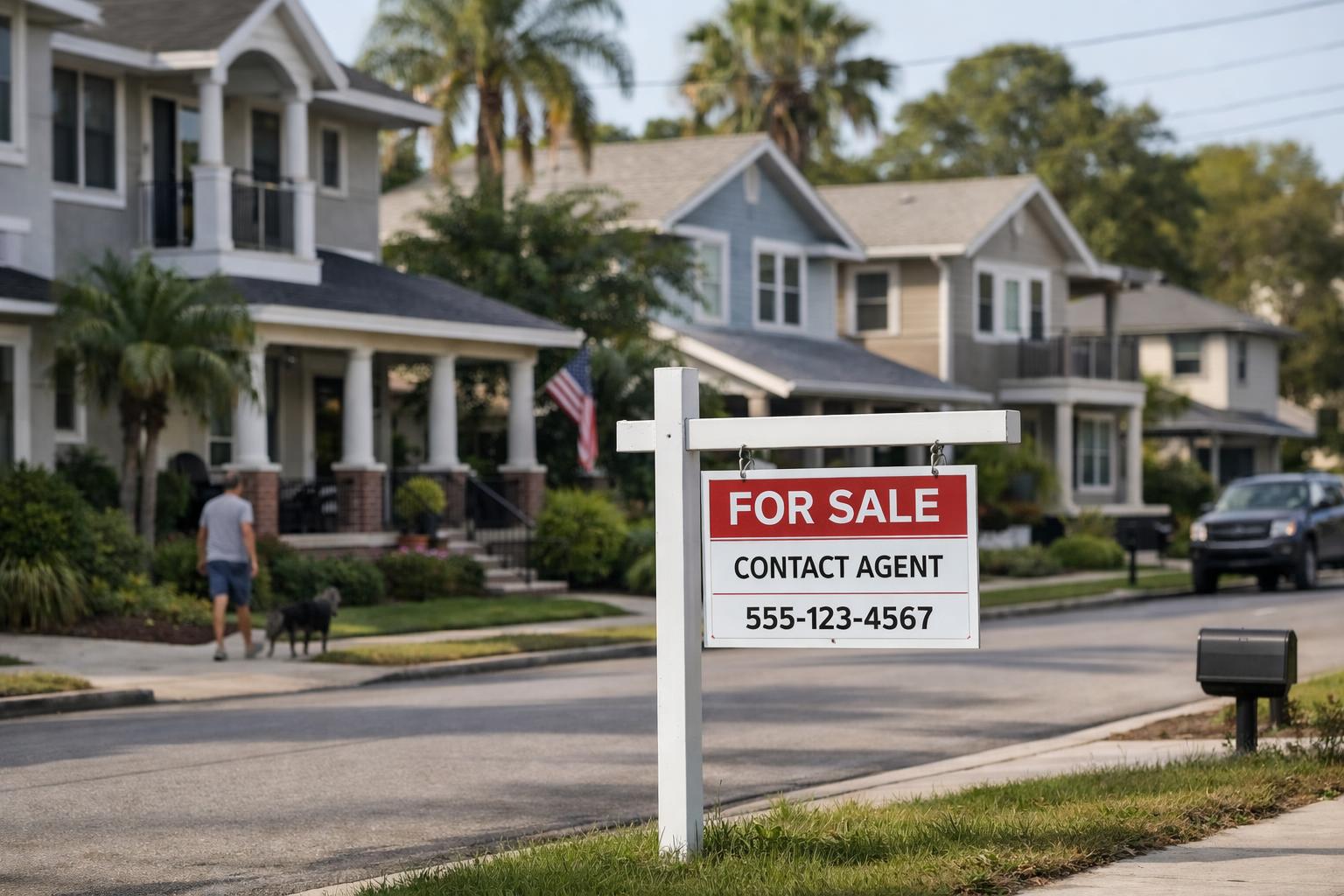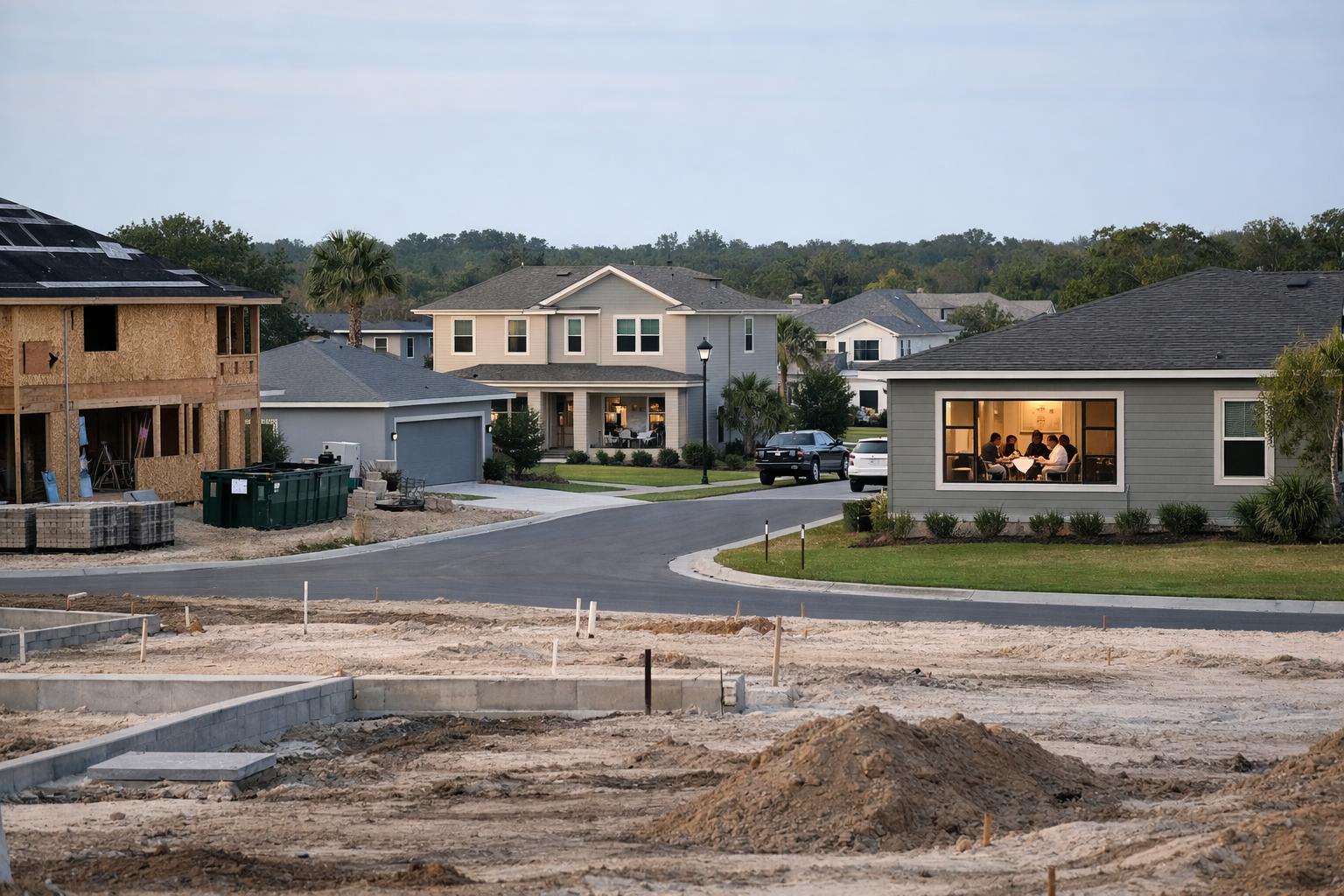



Florida has logged 11 consecutive months of year-over-year sales gains, with luxury sales and condo activity leading notable trends, according to Florida Realtors Chief Economist Dr. Brad O'Connor.
Source: Original report
Sales Recovery Extends Into Its Eleventh Month
Florida's housing market has continued building momentum after a prolonged slump, recording 11 straight months of year-over-year increases in closed sales through July. New pending sales — a leading indicator of buyer activity — have climbed on an annual basis for 12 consecutive months. The figures were presented Thursday by Florida Realtors Chief Economist Dr. Brad O'Connor at the organization's annual Convention & Trade Expo.
O'Connor was careful to frame the recovery in measured terms. The current trajectory is not a surge, he noted, but a meaningful reversal after three consecutive years of declining sales statewide.
Inventory Levels Are Tightening
Active listings across Florida have pulled back from where they stood a year ago. Single-family home supply has moved into roughly balanced-market territory on a statewide basis, though O'Connor noted that current inventory levels remain well below what was seen during the distressed conditions of 2008. Condo and townhouse inventory continues to run higher relative to single-family supply, and condos are taking longer to reach contract status on average.
Despite that slower pace, condo and townhouse sales have posted stronger year-over-year growth than single-family sales so far this year — a nuance that reflects how different segments of the market are performing differently from one another.
Luxury Sales Leading the Gains
Higher-priced properties are contributing disproportionately to overall growth. Year-to-date sales in the $500,000 to $1 million range are up approximately 7% compared with the same period last year, while transactions at $1 million or above have risen roughly 22%. O'Connor pointed out that luxury-market strength is not confined to South Florida — it is appearing across the state.
Migration Trends Remain Favorable
Driver's-license exchange data, a proxy for tracking in-migration, remain above pre-pandemic baseline levels. O'Connor said recent figures indicate that migration into Florida may be beginning to trend upward again after softening in recent years.
Affordability Path Does Not Require a Rate Crash
While mortgage rates remain a key variable in the affordability equation, O'Connor said the sustained sales gains suggest additional forces are at work. Buyers and sellers who had delayed decisions are beginning to act. And looking ahead, he argued that a dramatic decline in mortgage rates is not a prerequisite for the market to continue improving.
If home prices and interest rates hold relatively steady while incomes continue to rise gradually, affordability can recover incrementally — widening the pool of qualified buyers over time. As O'Connor put it, there remain people who both want and need to purchase a home, and that underlying demand is helping drive the market forward even in a higher-rate environment.
Key Trends at a Glance
- 11 consecutive months of year-over-year closed-sales growth through July
- 12 consecutive months of year-over-year pending-sales increases
- Single-family inventory near balanced-market levels statewide
- Condo inventory elevated but condo sales growing faster than single-family
- Luxury sales ($1M+) up roughly 22% year to date
- In-migration data trending back upward
- Gradual income growth seen as a path to improved affordability