

U.S. new listings hit a four-year peak in August, driven by cities like San Jose, Nashville, and Seattle, giving buyers more bargaining power.
Source: Original report
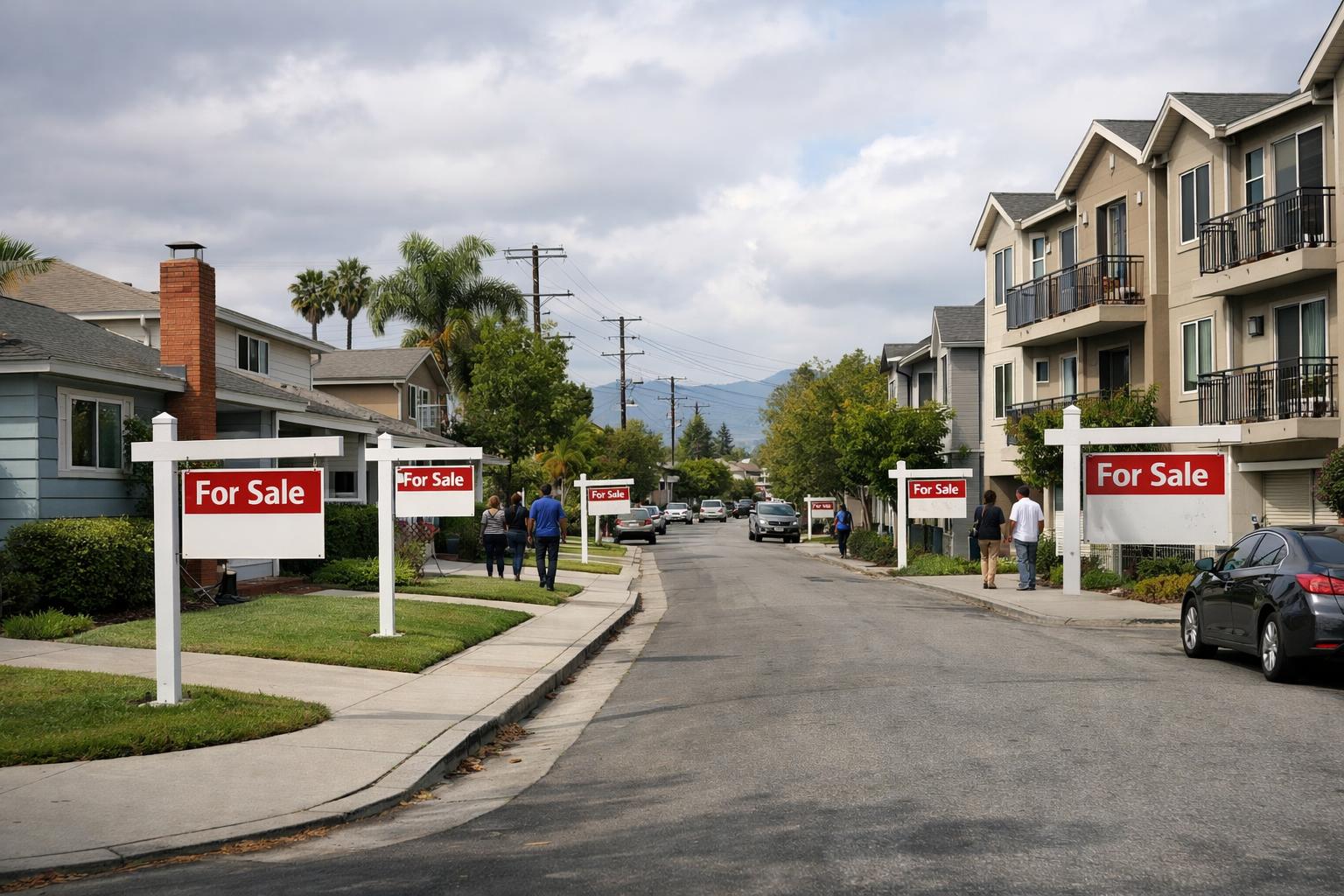
In August, the U.S. housing market saw a significant uptick in new listings, reaching the highest level since 2022. This surge, driven by cities like San Jose, Nashville, and Seattle, is providing buyers with more options and bargaining power, according to the latest data from Redfin.
Supply Surge: What's Driving the Increase
The total number of homes for sale hit a six-year high, with the most substantial increases in San Jose (25.5% year-over-year), Nashville (15.8%), and Seattle (13.7%). Several factors are contributing to this rise in inventory:
- Mortgage-rate lock-in effect fading: More homeowners are listing their properties as the impact of high mortgage rates lessens.
- Life circumstances: Changes in personal situations are prompting some homeowners to move.
- Market adjustment: Sellers are adapting to a slower market by listing their homes.
Buyer's Market: Negotiating Power Shifts
While the supply of homes is increasing, demand remains stagnant. Pending home sales were essentially flat month-over-month in August, and closed home sales fell to their lowest level in over a year. This stagnation is largely due to high housing costs, with the median home-sale price rising 2.2% year-over-year to $398,596, and the average mortgage rate hovering in the high-6% range.
Despite high costs, buyers are gaining negotiating power. Three in five homes sold below their original asking price in August, illustrating the shift in market dynamics. This trend is particularly evident in buyer's markets like West Palm Beach, Miami, and several Texas metros, where a high share of homes sold below asking price.
Regional Differences: Hot and Cool Markets
The housing market is experiencing diverse trends across different regions. While some metros are seeing increased demand, others are struggling with weak sales:
- San Francisco: Home sales rose 9.5% year-over-year, benefiting from a surge in AI wealth.
- Seattle: Home sales fell 8% year-over-year, with tech-sector job uncertainty dampening demand.
- Houston and Detroit: These cities saw the most significant declines in home sales, with decreases of 10.4% and 9%, respectively.
What's Next: Watching the Market Shift
As the housing market continues to evolve, buyers are finding more opportunities to negotiate on price, repairs, or closing costs. However, the high cost of housing remains a barrier for many would-be buyers. Moving forward, it will be crucial to monitor how mortgage rates, regional economic factors, and market trends influence the supply and demand dynamics.
For those considering buying or selling a home, understanding these shifts can provide valuable insights and help navigate the current market landscape effectively.