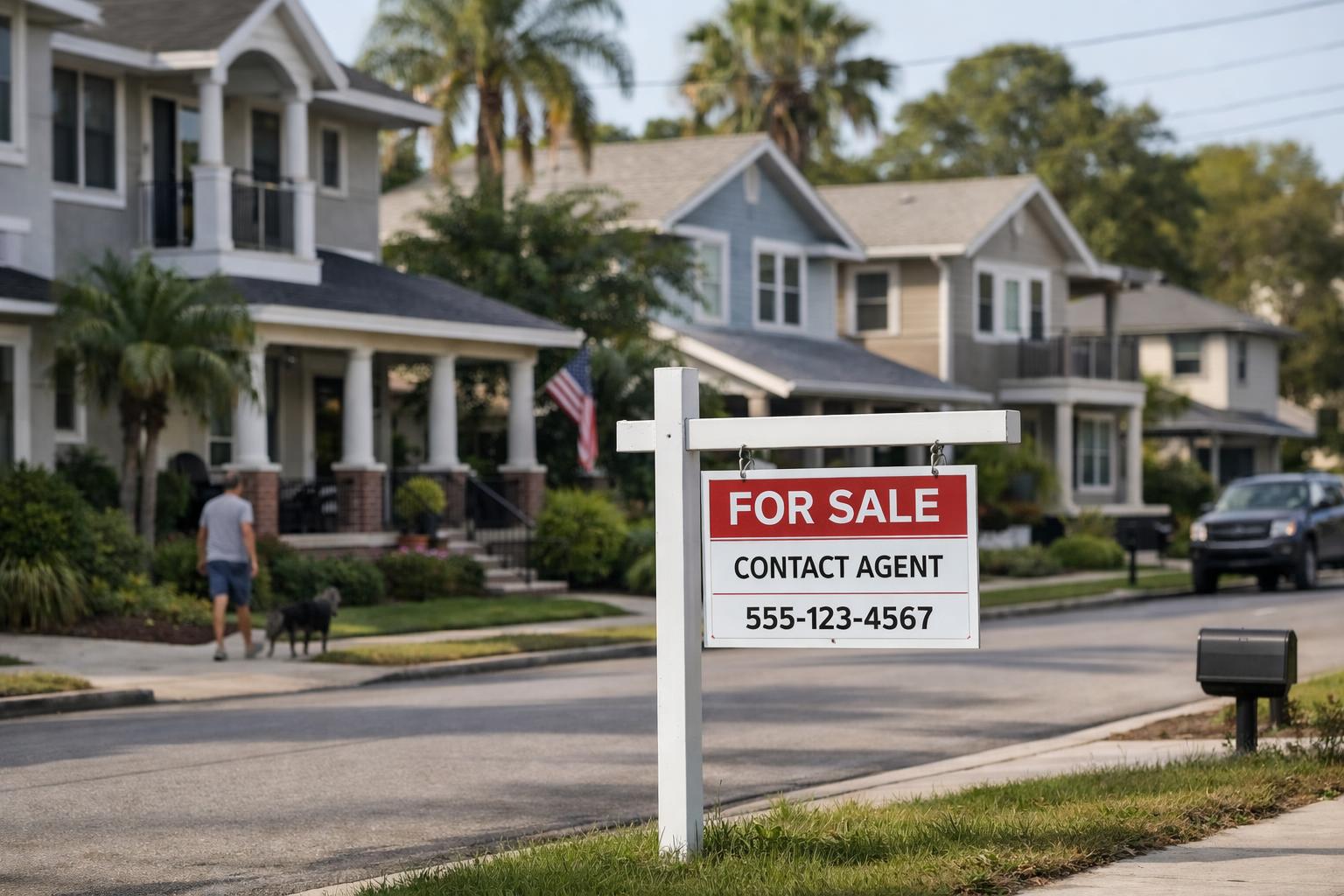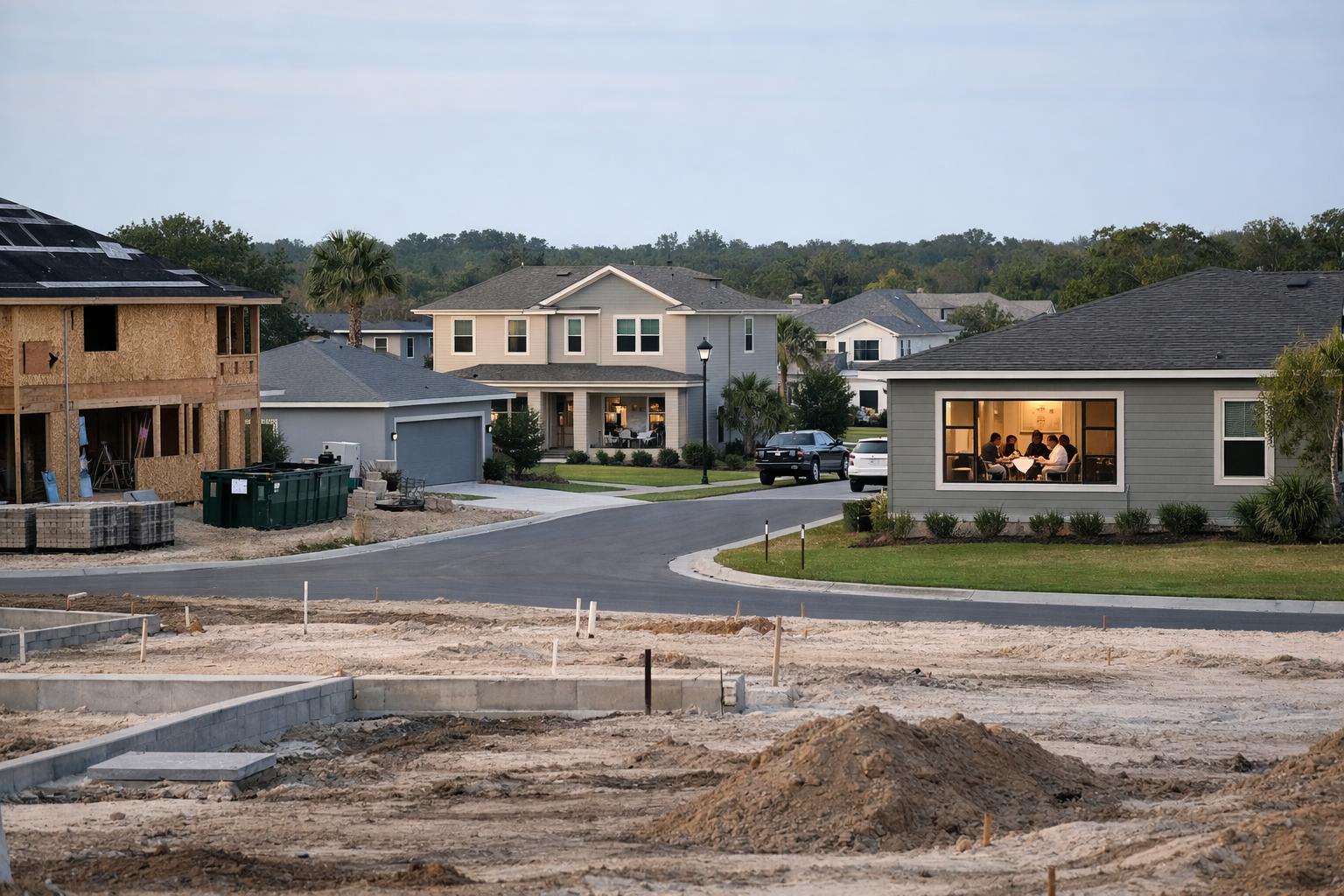



Redfin data shows an estimated 967,000 buyers in July—the fewest on record—while sellers outnumber them by more than 51%, pushing nearly 80% of major metros into buyer's-market territory.
Source: Original report
Buyer Demand Falls to an All-Time Low
The U.S. housing market tilted sharply in favor of buyers in July, with sellers outnumbering active buyers by roughly 51.3%, according to new Redfin data. That gap is just below the record 51.8% imbalance recorded in December and marks a notable jump from the 47.9% surplus seen in June.
The total estimated buyer count fell to approximately 967,000 nationwide—the lowest figure Redfin has recorded—while active sellers numbered around 1.46 million. The widening gap was driven more by buyers stepping away than by a flood of new listings. Elevated mortgage rates, which climbed to their highest point in a year this summer, combined with broad economic uncertainty, pushed many prospective purchasers to the sidelines.
"Buyers are dropping out faster than sellers, giving the buyers who remain more options and more negotiating power," said Redfin senior economist Asad Khan. Khan described the window between now and Labor Day as a potential opportunity for motivated participants on both sides to meet in the middle before early-fall activity resumes.
Miami, Nashville and Texas Lead Buyer's Markets
Of the 49 major metro areas Redfin examined, 39—nearly 80%—qualified as buyer's markets, defined as places where sellers outnumber buyers by more than 10%. Miami topped the list with an estimated 154% more sellers than buyers, followed by Nashville at 151%, Houston at 130%, San Antonio at 116% and Austin at 112%.
These metros share a common thread: pandemic-era construction booms and investor activity have left elevated inventory levels at a time when local demand is cooling. In Miami specifically, escalating insurance premiums, rising HOA costs and climate-related concerns have compounded affordability pressures on top of already-high prices. In Texas, active homebuilding pipelines continue to deliver new inventory even as buyer interest cools.
A local Redfin agent in Nashville noted that buyers are now able to take their time, often securing meaningful concessions from sellers who are motivated to close before conditions shift again—a stark contrast to the competitive multi-offer environment of a few years ago.
Buyer Leverage Grew in 34 of 39 Markets
The seller surplus expanded month-over-month in 34 of the 39 buyer's markets. Miami saw the largest jump, with its seller-to-buyer gap growing from 134% in June to 154% in July. Seattle was next, moving from a 46% surplus to 65%, followed by Fort Worth, which rose from 67% to 86%.
Only five buyer's markets saw the seller advantage narrow slightly: West Palm Beach, San Antonio, Pittsburgh, Virginia Beach and Dallas.
Just Six Seller's Markets Remain
Seller's markets—where buyers outnumber sellers by more than 10%—have become rare. Only six major metros qualified in July. Nassau County, N.Y. posted the widest seller advantage at 36% fewer sellers than buyers, followed by Newark, N.J. at 21%, Providence, R.I. at 17%, Milwaukee at 15%, New Brunswick, N.J. at 13% and Montgomery County, Pa. at 13%.
These markets share characteristics including constrained new construction and, in the New York City area, proximity to a major employment hub. Milwaukee benefits from below-median home prices that sustain demand. Home values in seller's markets rose an average of 4.2% year-over-year in July, compared with 2.3% in buyer's markets, reflecting the price pressure that comes with genuine competition among buyers.
Who Actually Benefits From a Buyer's Market?
Analysts caution that the shift in leverage only helps those who can participate. High home prices and mortgage rates have already pushed many would-be buyers out of the market entirely—which is precisely what created the current imbalance. For the buyers who remain financially able to transact, however, the conditions heading into late summer offer notable advantages: more inventory to choose from, less competition and sellers who may be increasingly open to negotiation.