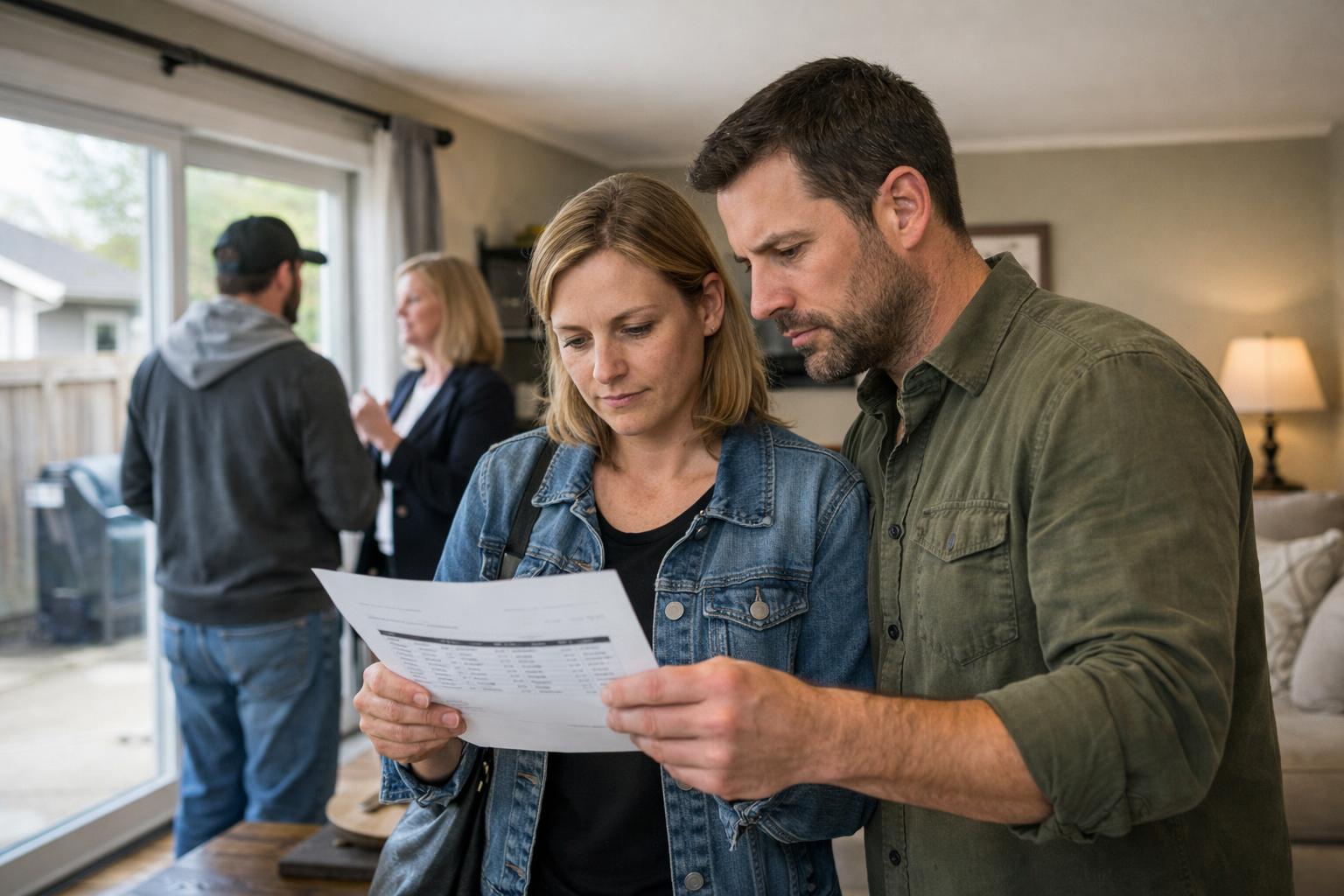



A comparative analysis of homeownership challenges faced by millennials and baby boomers, highlighting the impact of mortgage rates and housing costs.
Source: Original report
Timing has played a crucial role in shaping the homeownership experiences of millennials and baby boomers, with each generation facing unique challenges and advantages. While millennials who bought homes before 2022 benefited from historically low mortgage rates, those who entered the market later have seen their housing costs surge to about 35% of their income. In contrast, baby boomers started with high mortgage rates in the 1980s but enjoyed decades of falling rates that allowed them to refinance and reduce their housing burdens.
The typical monthly payment for elder millennials (aged 40 to 44) was around $3,000 between 2021 and 2025, significantly higher than the $1,986 paid by baby boomers at the same age, adjusted for inflation. Despite millennials earning more than boomers did at the same age, the increased cost of housing has offset these gains. Only just over half of millennials own their homes, compared to higher homeownership rates among boomers.
Elder millennials who bought homes in their early 30s initially had an advantage, spending about 27% of their income on housing, compared to 36% for boomers at the same age. This advantage was driven by low mortgage rates and higher household incomes. However, the pandemic shifted the dynamics, with mortgage rates jumping from around 3% to nearly 7% and home prices surging. As a result, elder millennials now spend up to 35% of their income on monthly mortgage payments, compared to roughly 25% for boomers at the same age.
Baby boomers faced their own challenges, with mortgage rates peaking at over 16% in 1981. However, lower home prices and the subsequent decline in mortgage rates allowed them to refinance and reduce their housing costs over time. In the 1980s, the average U.S. home sold for around $235,000 to $265,000 when adjusted for inflation, compared to $275,000 to $455,000 when elder millennials reached prime homebuying age.
The generational divide in homeownership is further highlighted by the fact that 76% of baby boomer homeowners can easily afford their payments, compared to just 53% of millennial homeowners. High home prices and mortgage rates are significant barriers for millennials, with 43% citing high prices as a reason for staying put, compared to 31% of boomers.
Looking ahead, there is hope that housing costs may normalize, making homeownership more attainable for younger generations. Chen Zhao, Redfin’s head of economic research, suggests that home prices are already falling in some parts of the U.S. and softening in others, potentially bringing affordability back to levels seen in 2018 or 2019.
In conclusion, the generational housing divide is a story of timing and market conditions. While baby boomers had the opportunity to refinance and reduce their housing costs, millennials face a more challenging market. However, with potential changes in housing costs and mortgage rates, the outlook for younger generations may improve over time.