


Amendment 3 increases homestead exemptions and lowers assessment caps for non-homestead properties starting in 2027.
Source: Original report
Florida voters have approved Amendment 3, a significant measure backed by Florida Realtors that will alter the state's property tax landscape beginning in 2027. The amendment introduces key changes to homestead exemptions and assessment caps for non-homestead properties, offering tax relief to many Florida homeowners.
Expanded Homestead Exemption
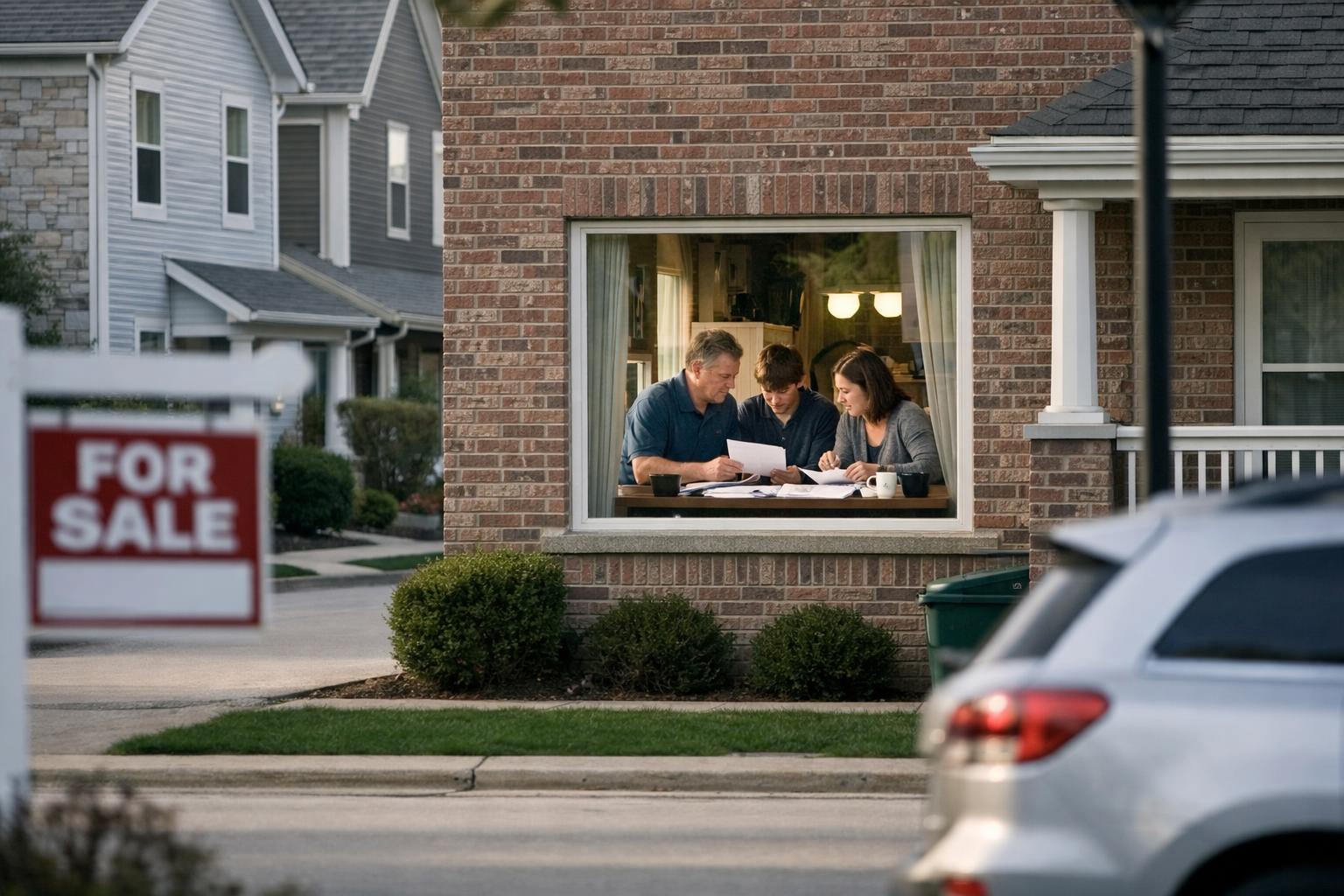
The amendment hikes the homestead exemption for non-school property taxes to $150,000 starting in 2027 and $250,000 beginning in 2028. Annual inflation adjustments will kick in from 2029, keeping the exemption in line with rising costs. This boosted exemption applies to qualifying homeowners who become Florida residents by Dec. 31, 2026. For those who become residents after that date, the existing exemption will initially apply, with the higher benefit arriving after they have held the exemption for five years, as long as federal constitutional requirements are met.
Lower Assessment Cap for Non-Homestead Properties
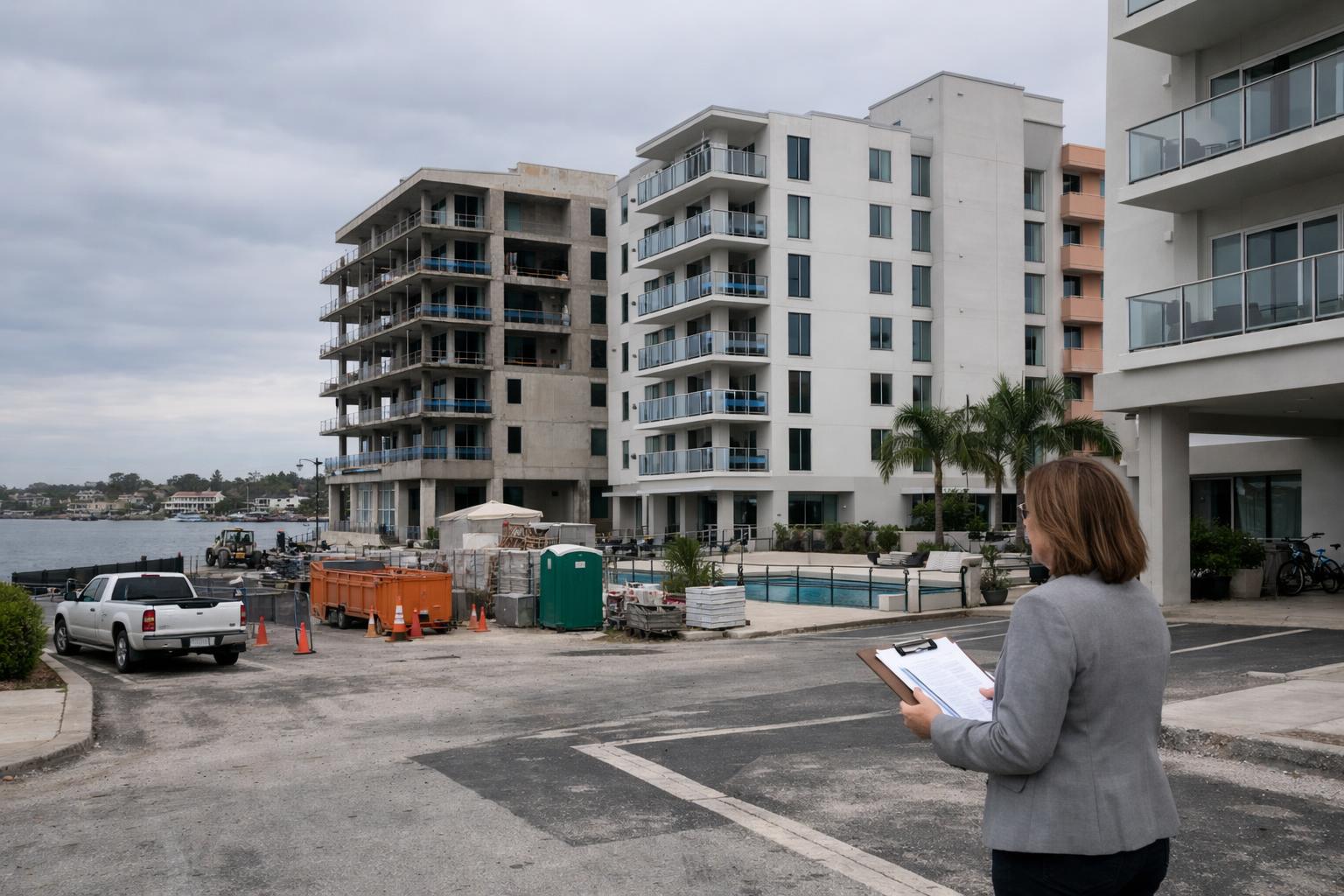
Amendment 3 cuts the annual assessment increase limit from 10% to 5% for non-school taxes on properties like rentals, vacation homes, and commercial real estate. This change will ease the tax burden for investors and non-primary residence owners, potentially making these properties more affordable to maintain.
Implementation and Next Steps
The Florida Legislature and local governments will now address the implementation details of Amendment 3. This includes any necessary legislative changes, administrative adjustments, and guidance to ensure the amendment is carried out effectively and consistently statewide. State and local officials will need to work together to clarify the specifics of the new rules and communicate them clearly to property owners.
Who Benefits and What to Watch
The primary beneficiaries of Amendment 3 are Florida homeowners, particularly those who have established residency by the end of 2026. The expanded homestead exemption will provide substantial tax relief, making homeownership more affordable in the state. Additionally, investors and owners of non-homestead properties will benefit from the lower assessment cap, which could stabilize or reduce their tax burdens.
Looking ahead, it will be important to monitor how the Florida Legislature and local governments interpret and implement the amendment. Property owners should stay informed about the specific changes that will affect their tax obligations and take advantage of any new exemptions or caps that apply to their situations. Real estate professionals will also play a crucial role in helping clients understand these changes and plan accordingly.